News
What we’re watching: US presidential debate, Yemeni prisoner swap, “illiberal” rule of law watchdog
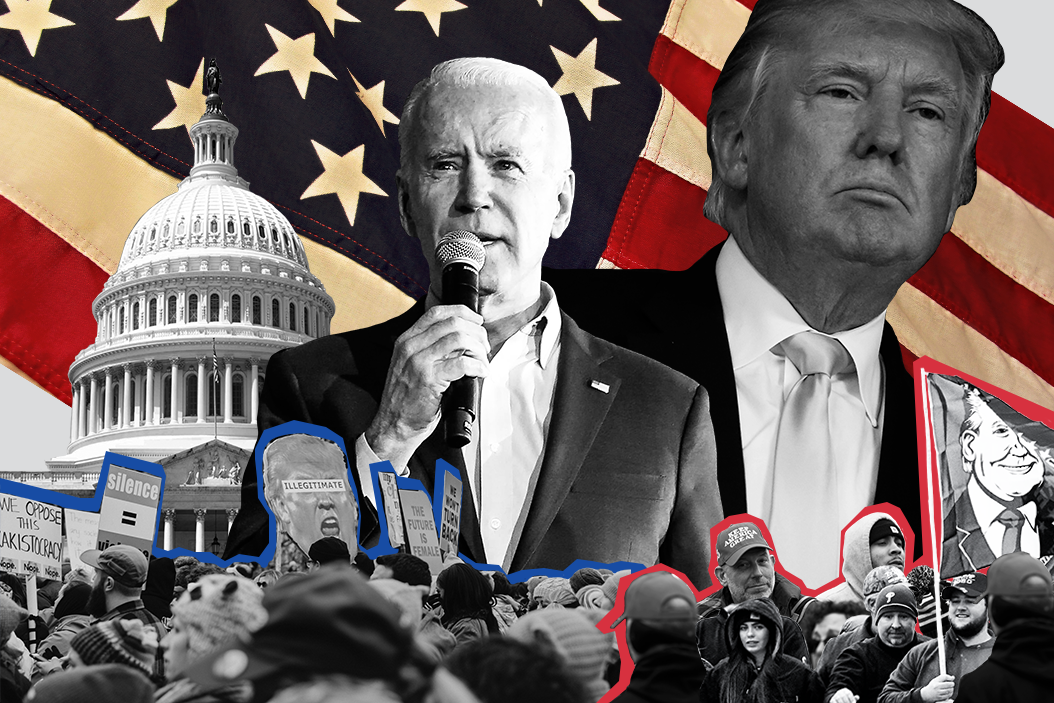
The US debate, round #1: US President Donald Trump and his Democratic challenger Joe Biden will clash tonight in Cleveland in the first presidential debate of the 2020 cycle. The debate will, as always, provide a first opportunity to see the two candidates speak directly to (or over) one another, and Trump's line of attack will be interesting to watch. Will he hammer away at Biden's career as a DC insider in order to hurt the former vice president's support among working-class folks? Or will he try to knock Biden off balance with shots at his mental acuity? And Biden will need to come prepared to parry Trump if the president distorts facts or tells lies about his record. Surely the most anticipated moment will be Trump's response to the New York Times' bombshell weekend report on his tax returns. Will Biden use those revelations to attack Trump as a failed businessman, a tax cheat, or simply as a person with privileges that few voters enjoy? The event will certainly be a big spectacle, but barring a big surprise, its impact on the race itself might be smaller than you'd think: there appear to be few undecided voters this year, and neither man is a mystery at this point. According to a recent poll, less than 30 percent of Americans say the debates have mattered to them when casting their vote over the past twenty years.
Another chance for peace in Yemen? Over the weekend the warring parties in Yemen's five-year long civil war agreed to exchange more than 1,000 fighters in the largest prisoner swap since the war began five years ago. The deal raises fresh hopes for a UN-brokered ceasefire in a brutal conflict that has led to widespread famine and the "world's worst humanitarian crisis." Since 2015, the Yemeni government — with support from the UAE and Saudi Arabia — has been battling Iran-backed Houthi rebels who have taken over large swaths of the country. A ceasefire would allow the opening of roads and ports that are needed to get food and medicine to a population that depends overwhelmingly outside aid. Still, ceasefires and prisoner swaps have been agreed before in the Yemen conflict, only to run aground over disagreements on the sequencing of the steps that each side is meant to take, as well as violations on the ground. We are watching to see if this deal really opens the way towards peace, or whether one of the world's most brutal conflicts will continue to grind on.
Hungary and Poland's "rule of law" monitoring: In recent years, the avowedly "illiberal" nationalist governments of Hungary and Poland have come under fire from Brussels over their moves to pressure independent media and courts. As a result, both countries —which signed up to respect democratic norms when they joined the EU in 2004 — have faced the prospect of internal EU sanctions or reductions in the generous handouts they receive from Brussels. Now, Budapest and Warsaw say they plan to set up a joint "rule of law" institute that is meant to point out "double standards" in "rule of law" elsewhere in the EU. Let's be clear — more scrutiny of rule of law and adherence democratic norms is always a good thing, but somehow this feels more like an I know you are, but what am I? strategy than a good-faith effort to reinforce democratic principles in the EU.
In his latest Quick Take, Ian Bremmer examines the stability of US-China relations and why he believes the period of relative calm between the two countries may be coming to an end.
Prime Minister Anutin Charnvirakul quickly responded by vowing tougher gun-control legislation and a renewed crackdown on illegal weapons.
Check out the latest swag from the official Puppet Regime merchandise store! Browse an array of products that will show the world you are a devoted subject of the Regime, including: A big, beautiful mug for drinking coffee very strongly, A handsome tote bag to carry your favorite classified documents, Collectible stickers, Stylish t-shirts and hoodies – now also available in pink. We ship worldwide! Shop now at shop.puppetregime.tv!
US-backed negotiations are opening a possible path to democratic elections in Venezuela – even as the country’s most popular opposition leader remains outside the room.