News
Hard Numbers: Israel eyes big UAE trade, US West Coast burns, WTO rejects Trump tariffs, Germany takes in migrants
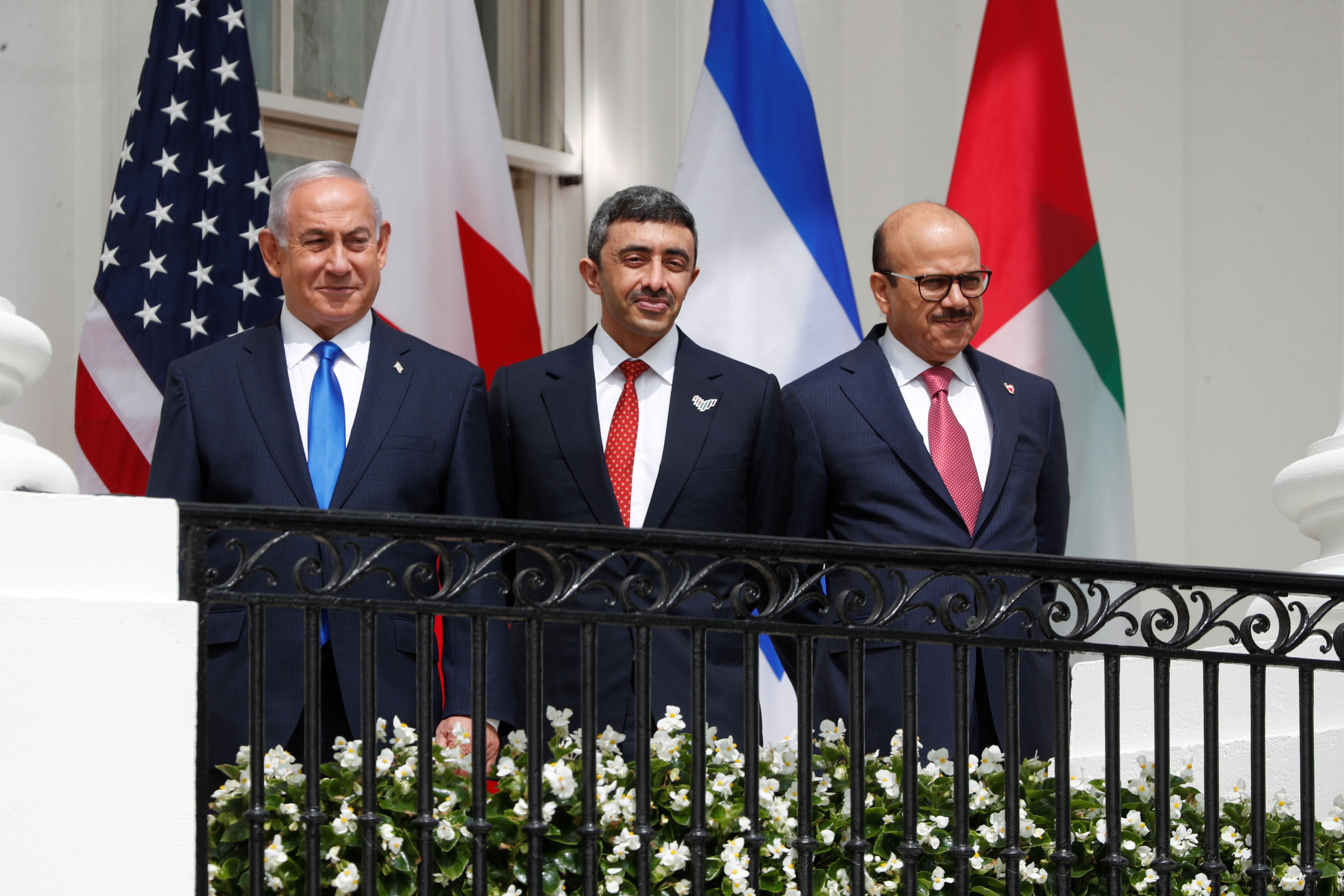
500 million: Israel expects to boost its exports to the UAE to up to $500 million annually after normalizing ties with the Emiratis. Both countries — along with Bahrain, another Gulf nation that recently agreed to establish diplomatic ties with the Jewish state — made the deal official on Tuesday by signing the Abraham Accords.
87: The US West Coast currently has 87 active large wildfires, with California and Oregon as the hit hardest states. California Governor Gavin Newsom has blamed the fires on climate change, while President Donald Trump (baselessly) questioned the science on global warming during a visit to the region.
250 billion: The World Trade Organization has ruled that the Trump administration broke WTO rules when it imposed $250 billion in additional tariffs on Chinese products in 2018. This is the first in a series of upcoming rulings in cases where countries have appealed against US tariffs, the cornerstone of Trump's protectionist trade policy.
1,500: Germany has agreed to take in 1,500 additional migrants from Greece, where thousands of asylum seekers are still homeless after a fire destroyed Europe's largest refugee camp, on the island of Lesbos. The final amount is ten times the number of migrants the German government was initially willing to accept.Can a war-torn Lebanon disarm Hezbollah, end Israel’s occupation of its southern territory, and reclaim control of its future? Beirut-based journalist Kim Ghattas joins Ian Bremmer on GZERO World.
Think you know what's going on around the world? Here's your chance to prove it.
The Houthis attacked two Saudi oil tankers in the Red Sea today as part of a blockade on shipping to and from Saudi Arabia through the Bab el-Mandeb Strait
The World Health Organization said this week that 80% of the confirmed cases are coming from unknown chains of transmission