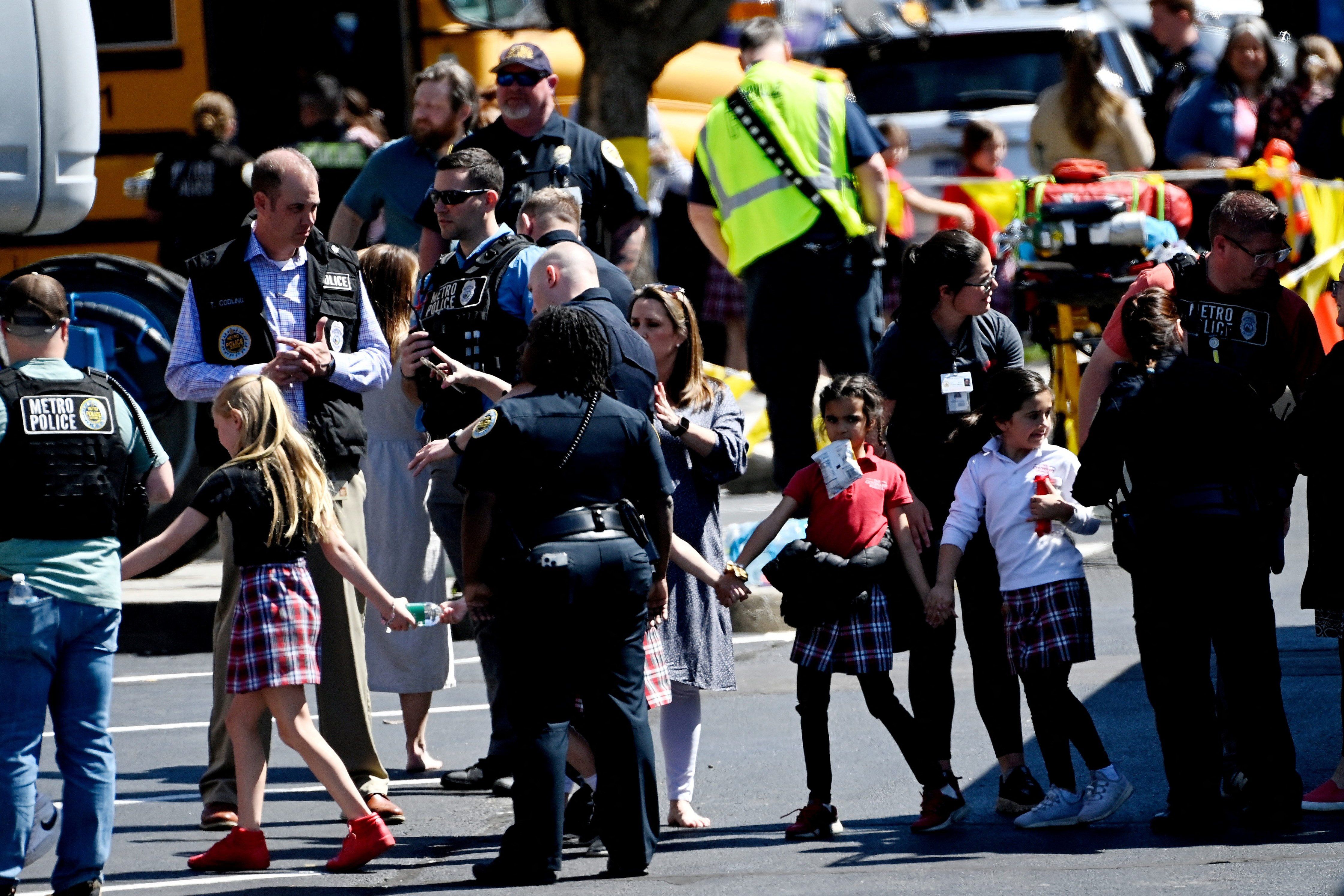
6: Six people, including three young children and three adults, were killed on Monday at the Covenant School, a private Christian primary school in Nashville, Tenn. Audrey Hale, a former student, was identified as the shooter. The 28-year-old was shot and killed by police during the attack, the 130th mass shooting in the US this year.
184: That’s how many Rohingya refugees landed in Indonesia’s western Aceh province on Monday. Each year, asylum-seekers flee persecution in Myanmar by making the treacherous voyage through the Bay of Bengal and the Andaman Sea to reach Muslim-majority Indonesia or Malaysia.
24: Transportation across Germany ground to a halt Monday in the country’s largest walkout in decades. Unions called a rare 24-hour strike to press for a double-digit rise wage hike amid soaring inflation — partly due to Germany kicking its Russian natural gas habit over the war in Ukraine.
58: So much for loving thy neighbor. A new Wall Street Journal-NORC poll finds that just 58% of Americans believe that tolerance for others is very important, down from 80% four years ago. People in the US now prioritize money more than patriotism and religion. Why? Experts cite the economy, COVID, and fractured politics.
300 million: Generative artificial intelligence systems like ChatGPT — which can create human-like content — could put a whopping 300 million people out of work within a decade in big economies. According to Goldman Sachs, lawyers and administrative staff are the most at risk, and two-thirds of jobs in the US and Europe could be exposed to some form of automation.