News
Hard Numbers: Suicide bombing in Baghdad, India's farm bill pause, Italy to sue Pfizer, Portugal's COVID surge
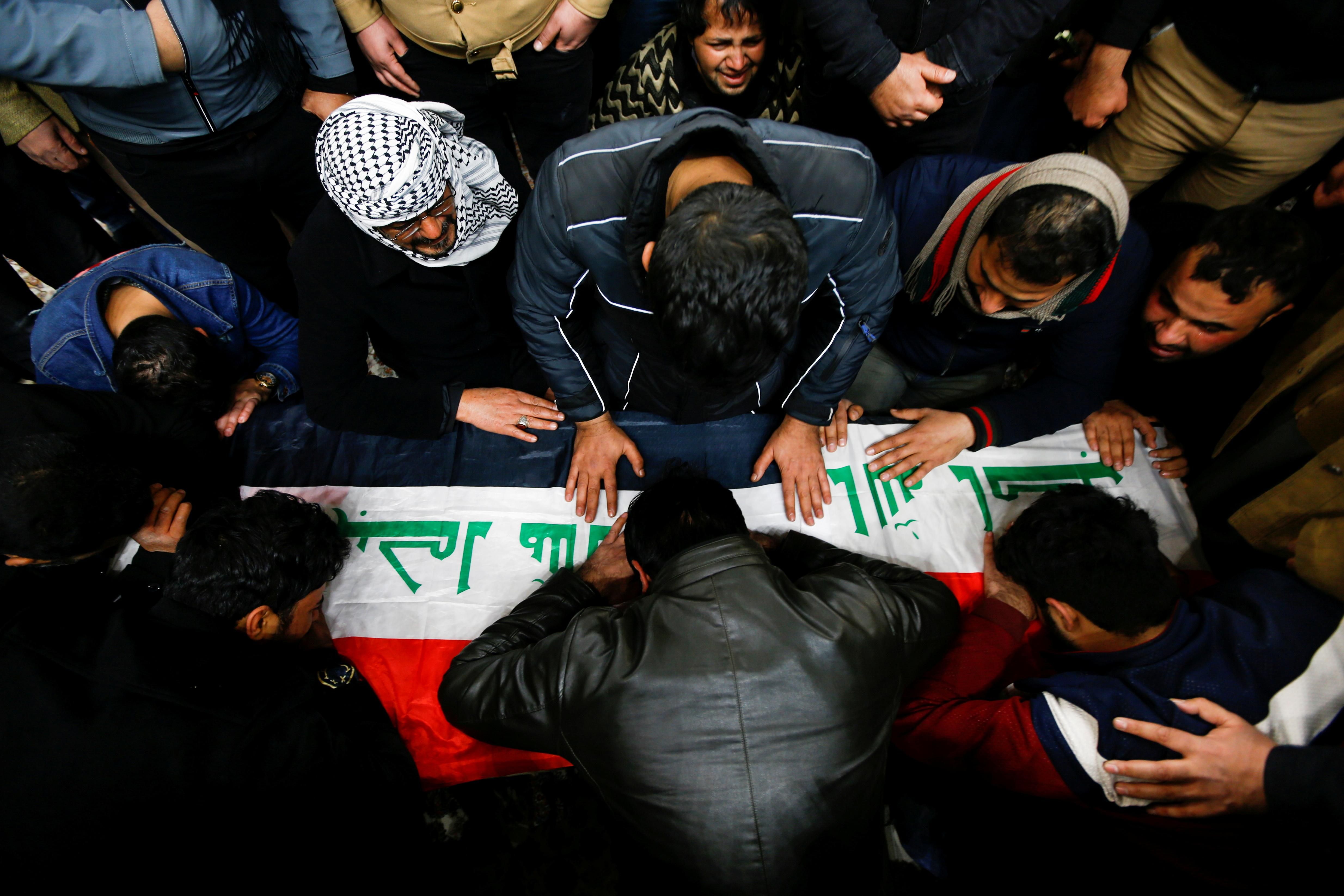
32: Twin suicide bombings ripped through a central Baghdad market on Thursday, killing at least 32 people. It was the first massive suicide attack in Iraq in three years. While no group has claimed responsibility for the carnage, Iraqi authorities say it's likely the work of Islamic State militants.
1.2 million: Italian officials said they will sue US drug maker Pfizer over delays in delivering COVID vaccines to the European Union. Italy has vaccinated 1.2 million people to date and says an unforeseen shortage of doses will severely disrupt the country's vaccination drive and its ability to reach herd immunity on schedule.
18: The Indian government proposed an 18-month pause on implementation of three controversial agriculture laws that have triggered widespread protests among farmers worried about the effect on their livelihoods. The Indian government says it wants to keep discussions open during this time. But the farmers union, which has led a massive sit-in for more than a month in Delhi, says it is mulling over the proposal.
1,004: Portugal is now reporting the highest number of new COVID cases per capita of any country in the world, recording a 7-day rolling average of 1,004 new cases per 1 million people. The Portuguese government has closed schools and universities nationwide for 15 days to try to curb the virus' spread. Close to 10,000 Portuguese have already died of COVID.
China has defied Western sanctions for years and buys as much as 90% of Iran’s oil exports.
Think you know what's going on around the world? Here's your chance to prove it.
President Bola Tinubu faces strong headwinds in his bid for a second term.
Critics have said that Zelensky – now in his seventh year in office – has been in power for too long.