News
Breather for the Fed?
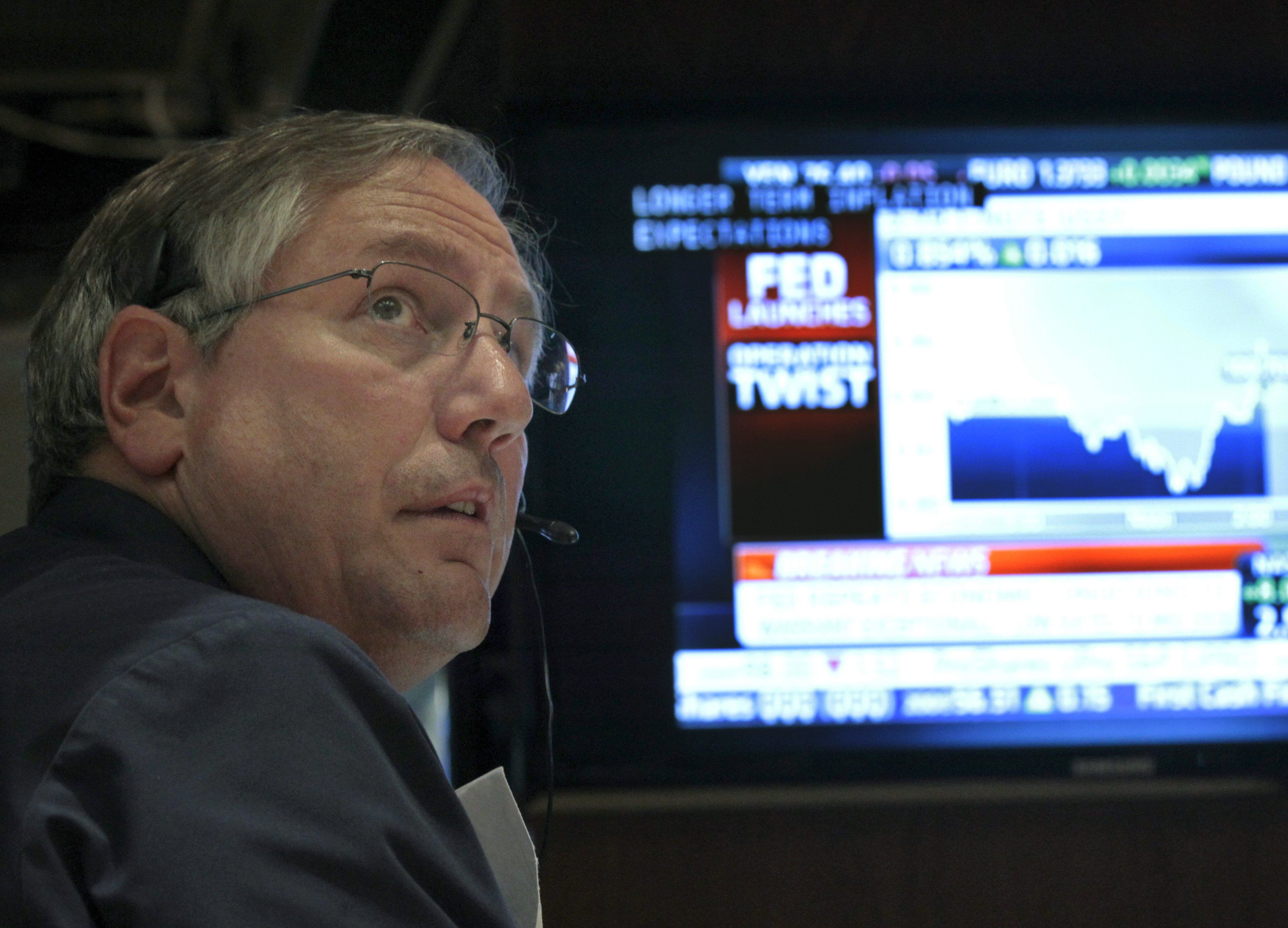
Trader Warren Meyers watches the Fed Rate announcement on the floor of the New York Stock Exchange
REUTERS
For background, the Fed has been bumping up rates since March 2022, when pandemic-related stimulus and supply chain kinks were driving annual price growth towards 9%, a 40-year high.
But these days things are looking rosier. The latest data show annual price growth in May was just 4%, almost a full point below April’s clip. It’s the 11th consecutive month that inflation has fallen.
Falling energy prices, down nearly 12%, played a major role. And that’s despite Saudi Arabia’s recent decision to cut oil output by 1M barrels a day. Oil prices have actually fallen since then, as other petrostates keep pumping flat out, while the post-COVID economic recovery of China — the world’s largest oil importer — remains sluggish.
All of that leaves room for the Fed to hold rates. But if so, the reprieve may be short: Core inflation, which excludes fuel and food prices, is still above 5% — a long way from the pre-pandemic average of about 2%. Even if the Fed stands pat, it may still have to hit the hiking trail again at its next meeting in July.
Netanyahu said Israel won’t pull back from Gaza until Hamas gives up its weapons—a nonstarter for Hamas, which insists it won’t disarm until Israel withdraws first.
Check out the latest swag from the official Puppet Regime merchandise store! Browse an array of products that will show the world you are a devoted subject of the Regime, including: A big, beautiful mug for drinking coffee very strongly, A handsome tote bag to carry your favorite classified documents, Collectible stickers, Stylish t-shirts and hoodies – now also available in pink. We ship worldwide! Shop now at shop.puppetregime.tv!
US-backed negotiations are opening a possible path to democratic elections in Venezuela – even as the country’s most popular opposition leader remains outside the room.
Think you know what's going on around the world? Here's your chance to prove it.