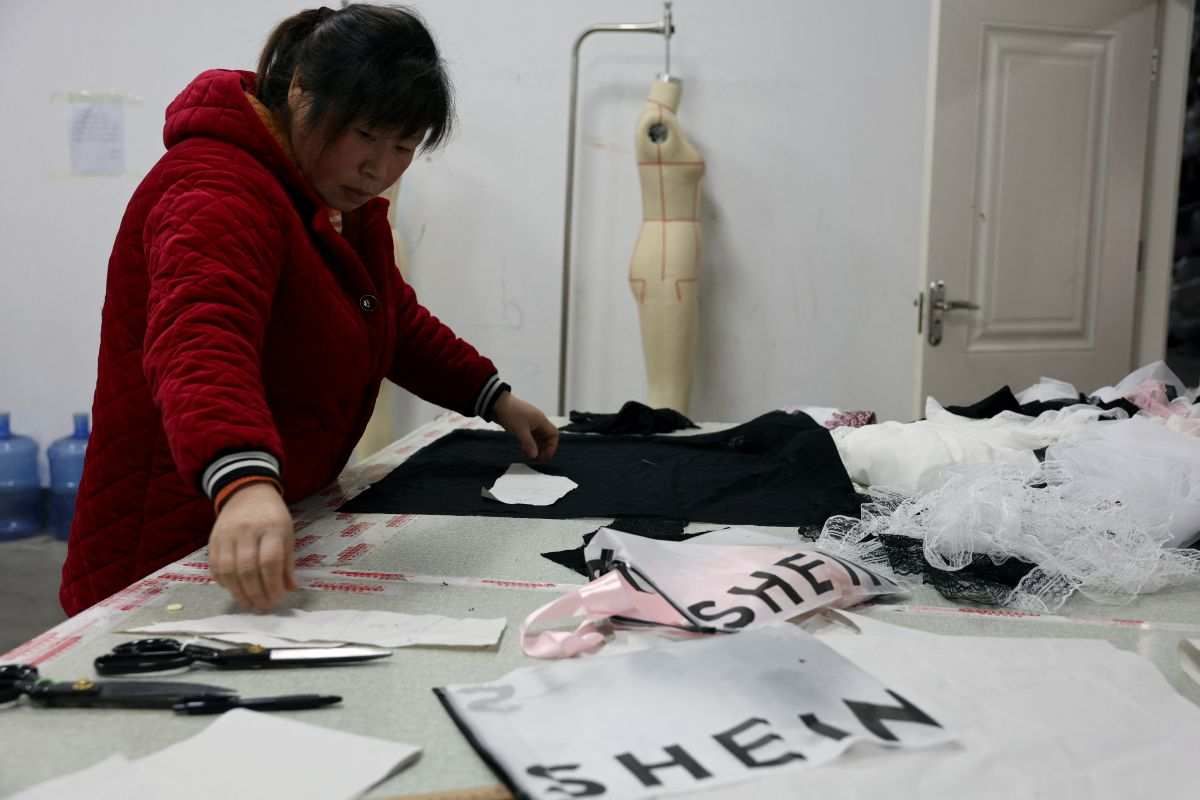
4.6 billion: Last year, European consumers
received 4.6 billion parcels shipped from abroad. Some 80% of them came from China. Amid growing protectionism towards Beijing, EU governments are weighing per-parcel customs fees. Earlier this year, the Trump Administration
removed “de minimis” customs exemptions on small packages, which had enabled Chinese exporters
to circumvent broader US tariffs.
5: As part of its efforts to stop the Chinese purchase of Iranian oil, the Trump Administration has now sanctioned five refineries in Shandong province, a major hub for processing crude imported from the Middle East. The latest round of US sanctions came on Thursday, after Beijing slapped fresh restrictions on the export of critical minerals.
240: In a victory for free speech advocates, a UK court overturned the conviction of a man who was found guilty of a public order offense for burning a Koran and cursing Islam outside the Turkish consulate in London earlier this year. The man had been fined 240 pounds (about $325).
2: The Taliban government of Afghanistan has blamed Pakistan for two explosions in the country late Thursday night, one in the eastern province of Paktika and another in the capital, Kabul. The timing was noteworthy: on Friday, the Taliban announced expanded relations with India, Pakistan’s biggest nemesis.