News
Hard Numbers: Himalayan glacier burst, UAE shoots for Mars, South Africa's AstraZeneca woes, Somalia's political stalemate
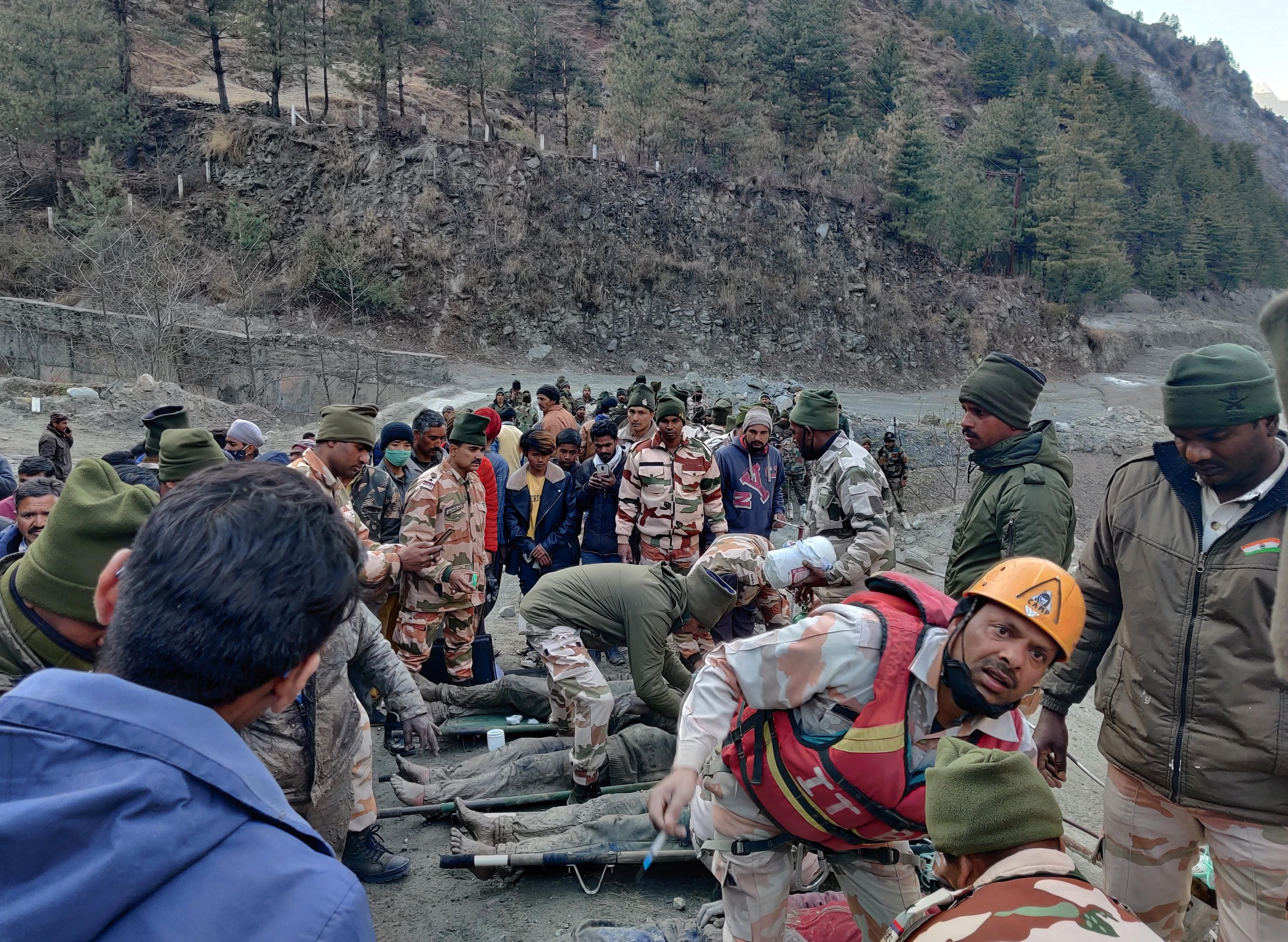
171: At least 171 people are still missing in Northern India after a Himalayan glacier burst, smashing through a hydroelectric power plant, and causing a massive avalanche that hit a slew of villages in the state of Uttarakhand. A 2019 study found that climate change is now causing Himalayan glaciers to melt twice as fast as they did between 1975 and 2000.
5: A United Arab Emirates probe called "Hope" (al-Amal in Arabic) is expected to reach Mars' orbit on Tuesday, making the UAE just the fifth country ever to reach the Red Planet. But the Emiratis won't be alone there, China and the US have also launched space missions to Mars which are expected to land later this month.
32: South Africa has halted distribution of the AstraZeneca-Oxford COVID vaccine because the jab appears ineffective in preventing mild or moderate cases of infection with the more contagious "South African variant" of COVID-19 known as B.1.351. It's an enormous setback for South Africa, which just received a million doses of the AstraZeneca vaccine, but the news has global resonance too: the South African variant has already spread to at least 32 countries.
13: Amid deepening turmoil over how to pick a new president in Somalia, 13 government security personnel were killed in a roadside attack carried out by Al-Shabab militants. Negotiations about how to conduct an election collapsed just two days before the term of President Mohamed Abdullahi Mohamed was set to expire on Monday, creating more instability in a country grappling with an Islamist militant insurgency and widespread food insecurity.Think you know what's going on around the world? Here's your chance to prove it.
Critics have said that Zelensky – now in his seventh year in office – has been in power for too long.
Washington and Ottawa are down to the wire with last-minute talks to reach an agreement by 12:01 a.m. Wednesday, when President Donald Trump has threatened to impose 50% tariffs on over $20 billion of Canadian goods.
On Monday, public health officials said the virus had killed 2,325 people.