News
Hard Numbers: COP26 is a wrap, Argentines & Bulgarians vote, Thai royal offenses
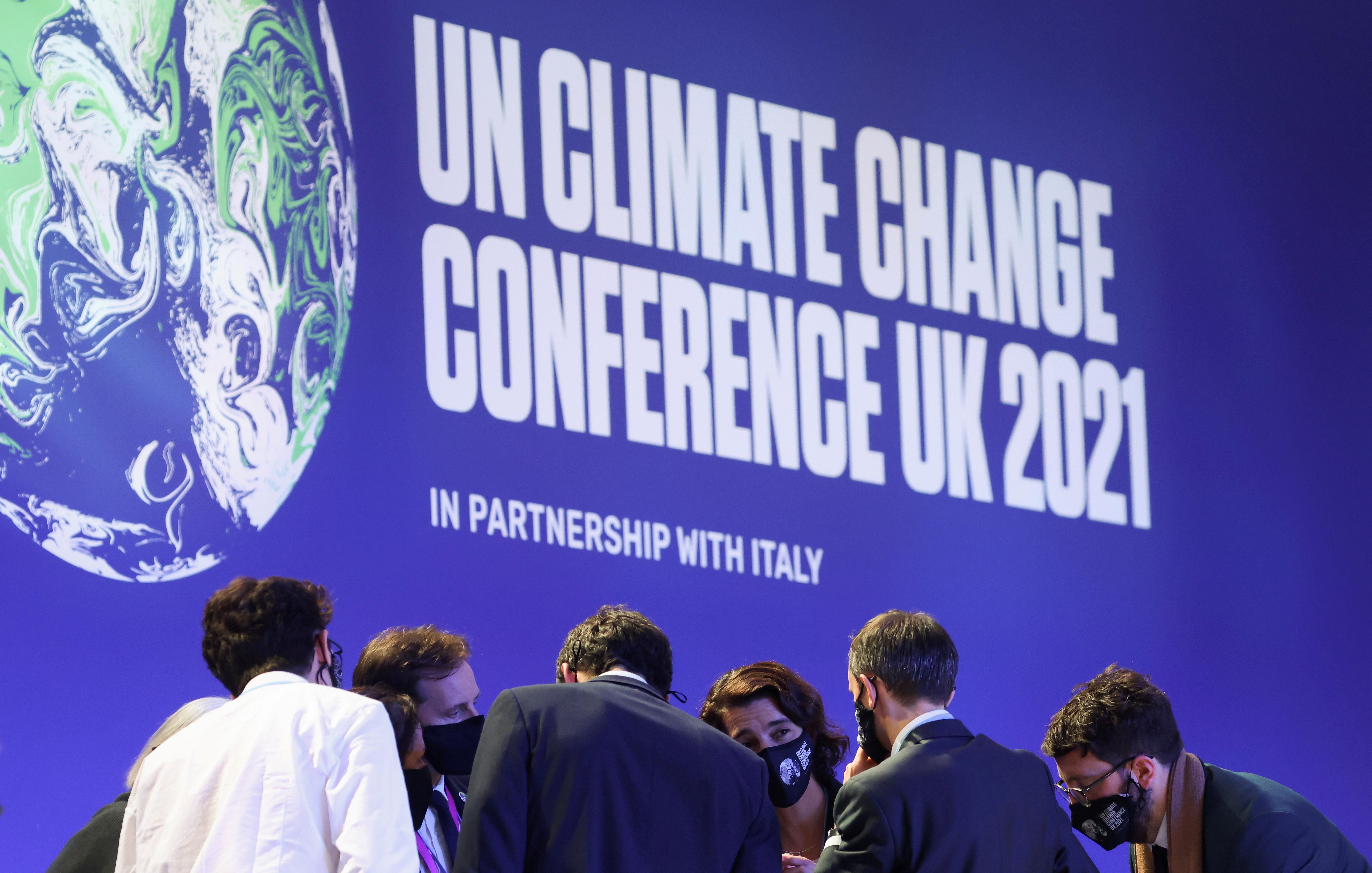
Delegates talk during the UN Climate Change Conference (COP26) in Glasgow, Scotland, Britain November 13, 2021.
REUTERS/Yves Herman/File Photo
197: The COP26 climate summit in Glasgow concluded with a compromise deal that for the first time commits 197 governments to gradually wind down coal and end all subsidies for fossil fuels. Top polluters and coal-users China and India objected to an earlier draft that called for completely phasing out coal, as demanded by environmental groups and most developing countries.
40: The leftwing coalition of President Alberto Fernández suffered a crushing defeat in Argentina's midterm parliamentary election on Sunday. His Peronistas lost control of the Senate for the first time in almost 40 years, putting Fernández in a very weak position to deal with the country's ailing economy.
3: A new anti-graft, centrist party is expected to win Bulgaria's third legislative election this year, after previous votes in April and July delivered fragmented parliaments with no majority to form a government. Barely a quarter of Bulgarian voters showed up due to rising COVID deaths in the country with the EU's lowest vaccination rate and highest vax hesitancy.
155: At least 155 people have been charged with royal defamation — which carries up to 15 years in prison — in Thailand since mid-2020, when youth-led protests against the government first called to reform the monarchy. Thousands of demonstrators took to the streets of Bangkok on Sunday to bash a recent court ruling that says any attempts to curb the powers of the king are tantamount to treason.In his latest Quick Take, Ian Bremmer examines the stability of US-China relations and why he believes the period of relative calm between the two countries may be coming to an end.
Prime Minister Anutin Charnvirakul quickly responded by vowing tougher gun-control legislation and a renewed crackdown on illegal weapons.
Check out the latest swag from the official Puppet Regime merchandise store! Browse an array of products that will show the world you are a devoted subject of the Regime, including: A big, beautiful mug for drinking coffee very strongly, A handsome tote bag to carry your favorite classified documents, Collectible stickers, Stylish t-shirts and hoodies – now also available in pink. We ship worldwide! Shop now at shop.puppetregime.tv!
US-backed negotiations are opening a possible path to democratic elections in Venezuela – even as the country’s most popular opposition leader remains outside the room.