News
Hard Numbers: Germany ditches nuclear, (some) Americans justify anti-government violence, Mali’s election in danger, Scottish witches pardoned
Gabriella Turrisi
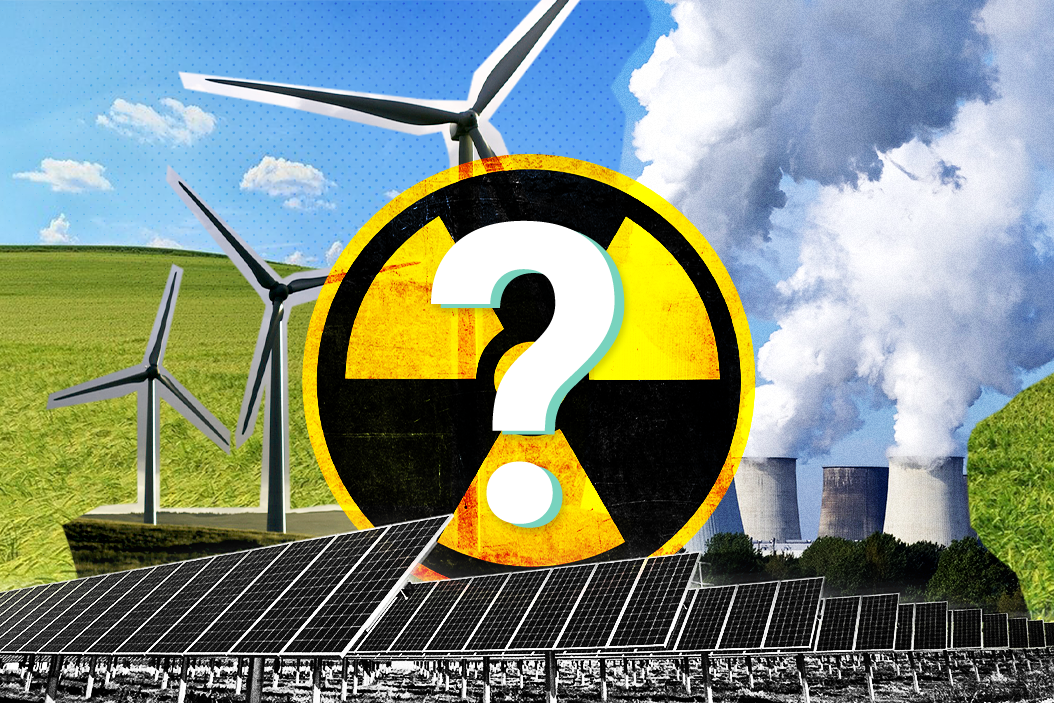
3: Germany has closed three of its remaining six nuclear power plants as it hastens its withdrawal from nuclear in favor of renewable sources of energy. Berlin decided to speed up its shift away from nuclear power after Japan's Fukushima disaster in 2011.
33: More than 33 percent of Americans say that violence against the government can at times be justified, according to a new Washington Post-University of Maryland poll. Many cited government overreach to contain the pandemic to explain their views.
5: Mali’s transitional government, installed after a 2020 coup, has called for next month’s presidential and legislative elections to be delayed by five years. Meanwhile, a group of West African neighbors has threatened Mali with more sanctions if the vote doesn’t go ahead.
3,837: Some four centuries later, the Scottish parliament has moved to pardon thousands of people — mostly women — charged with being witches. Until the Witchcraft Act was repealed by Edinburgh in the mid-1700s, 3,837 were charged under the law in Scotland, more than 2,500 of whom were executed.In his latest Quick Take, Ian Bremmer examines the stability of US-China relations and why he believes the period of relative calm between the two countries may be coming to an end.
Prime Minister Anutin Charnvirakul quickly responded by vowing tougher gun-control legislation and a renewed crackdown on illegal weapons.
Check out the latest swag from the official Puppet Regime merchandise store! Browse an array of products that will show the world you are a devoted subject of the Regime, including: A big, beautiful mug for drinking coffee very strongly, A handsome tote bag to carry your favorite classified documents, Collectible stickers, Stylish t-shirts and hoodies – now also available in pink. We ship worldwide! Shop now at shop.puppetregime.tv!
US-backed negotiations are opening a possible path to democratic elections in Venezuela – even as the country’s most popular opposition leader remains outside the room.