May 30, 2019
65: Africa contains 65 percent of the world's arable land, but bad roads, unreliable water supplies, and other complications force African countries to spend $35 billion per year to import food.
3,000: Malaysia plans to return 3,000 tons of plastic trash to the US, Canada, Saudi Arabia, and other countries, to protest improper labeling of garbage exported for recycling. Malaysian officials say much of the plastic the country receives is contaminated and can't be recycled.
130,000: It's been awhile since the Venezuelan government published stats on the country's economic crisis, but this week its central bank acknowledged that the country's inflation rate hit 130,000 percent last year. That's considerably lower than the 10 million percent the IMF has forecast for this year, but it's clear that the meltdown continues.
1: In March, Mexico passed China to become the world's number one exporter to the United States for the very first time. The value of Mexican imports to the US has surpassed those from China as a direct result of the US-China trade war.
More For You
- YouTube
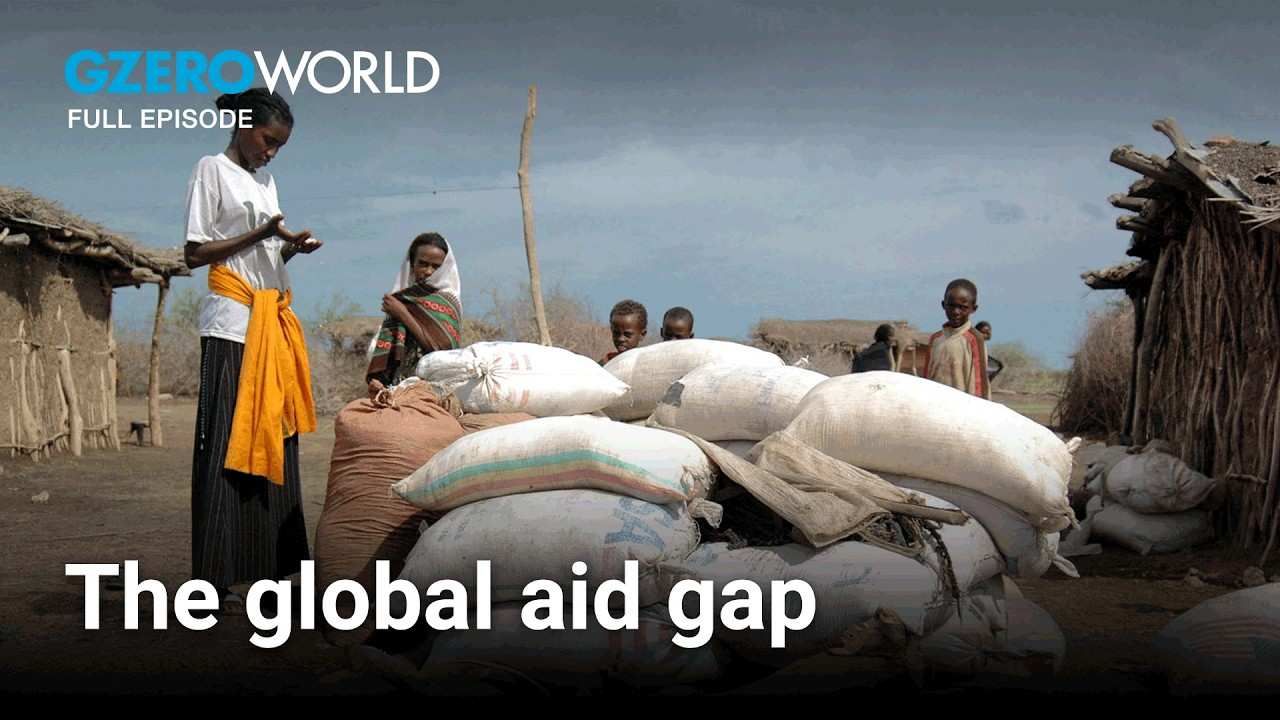
A year after USAID shut down, we’re seeing the effects of such a drastic drop in foreign aid during some major crises. David Miliband joins Ian Bremmer on GZERO World to discuss the shock to the system and what comes next.
Most Popular
Think you know what's going on around the world? Here's your chance to prove it.
Check out the latest swag from the official Puppet Regime merchandise store! Browse an array of products that will show the world you are a devoted subject of the Regime, including: A big, beautiful mug for drinking coffee very strongly, A handsome tote bag to carry your favorite classified documents, Collectible stickers, Stylish t-shirts and hoodies – now also available in pink. We ship worldwide! Shop now at shop.puppetregime.tv!
Iran-linked cyberattacks on US water systems show how a war thousands of miles away can reach Americans through something as basic as the tap.
© 2025 GZERO Media. All Rights Reserved | A Eurasia Group media company.