Science & Tech
Hard Numbers: Turkish corruption probe, Shenzhen tech lockdown, costly Russian donation, giant pumpkin ride
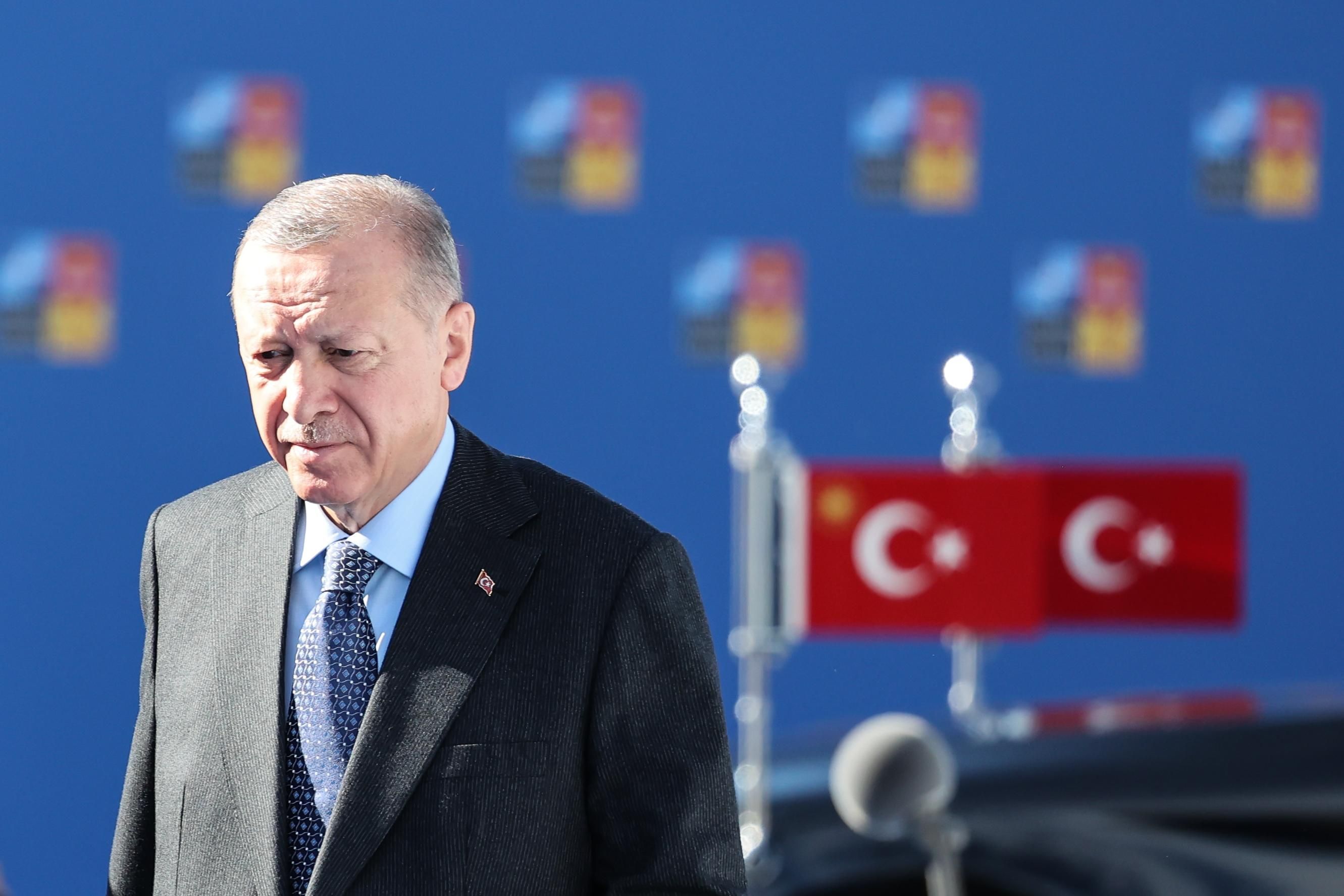
Turkey's President Recep Tayyip Erdogan at the NATO Summit in Madrid.
Jakub Porzycki via Reuters Connect
5: Five Turkish opposition parties filed legal complaints to demand the state investigate allegations of corruption against allies of President Recep Tayyip Erdogan and his ruling party, which the judiciary has long been thought to be soft on. The claims were first made in May 2021 by Sedat Peker, a fugitive mafia boss-turned-whistleblower who went viral with his unhinged YouTube clips detailing dirt on the president and his buddies.
11: China shut down the world's largest wholesale electronics market in Shenzhen after the southern megacity reported 11 COVID cases on Sunday. The closure of the tech hub will put even more pressure on already tight global supply chains due to Beijing's zero-COVID policy.
16: Russian journalist Andrei Zayakin was charged with illegally funding an extremist group after donating $16 to the Foundation for Fighting Corruption, a banned NGO started by jailed opposition leader Alexei Navalny. Zayakin is the first person to be publicly charged for donating to the organization and faces eight years behind bars if convicted.
38: An American man from Nebraska celebrated his 60th birthday by floating for 38 miles along the Missouri River on a hollowed-out giant pumpkin. The trip is now being verified for the Guinness World Record for the world's longest on the orange vegetable.At the 2026 AI for Good Global Summit in Geneva, Robert Opp, Chief Digital Officer at the United Nations Development Programme (UNDP), explores whether artificial intelligence can help countries make progress amid growing development challenges and shrinking resources.
At the 2026 AI for Good Global Summit in Geneva, Switzerland, Frederic Werner, AI for Good co-creator and chief of strategic engagement at ITU, explains why optimism about artificial intelligence is growing across many developing countries even as skepticism rises in Europe and North America.
In his latest Quick Take, Ian Bremmer weighs in on President Trump’s intervention with FIFA after US star Flo Balogun received a red card suspension ahead of the team’s match against Belgium.
How do the choices of the past help us navigate the future? Microsoft's new video series explores pivotal moments in US history and the decisions that helped shape innovation, opportunity, and progress. By connecting historical turning points to today's technology and policy questions, the series offers a perspective on the choices that continue to shape what comes next. Watch the first episode here.