GZERO North
Lame-duck Trudeau announces high-speed rail
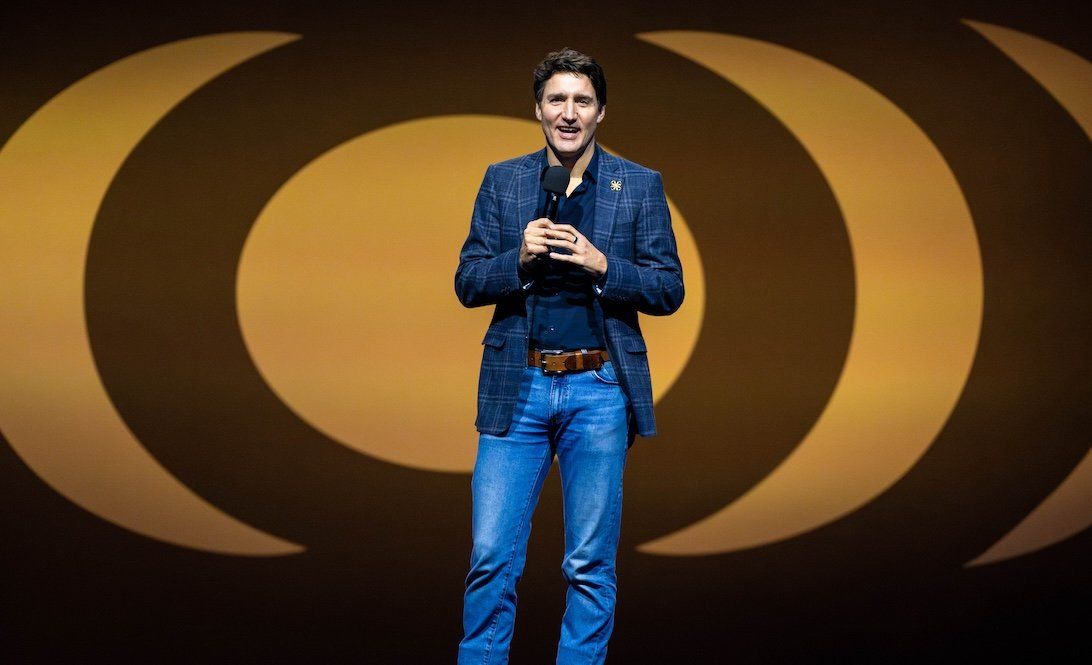
Prime Minister Justin Trudeau speaks at the Invictus Games in Vancouver on Feb. 16, 2025.
Dutch Press Photo via Reuters
The Liberals say the 1,000-kilometre (620-mile) project would produce 51,000 jobs, boost GDP by up to $35 billion, and shorten the travel time from Montreal to Toronto to three hours, about half the time it takes to drive.
Canadians have often studied a high-speed link in the Quebec-Toronto corridor, the most densely populated part of the country, but have been dissuaded from actually building because of the price tag, which is estimated at being at least $65 billion.
It is too early to answer many specific questions, said Martin Imbleau, the president of the consortium that won the design contract. “We’re going to take our time, properly develop the project, look at the different phases, and in four or five years, we’ll know what we’re building.”
There are reasons to be skeptical, but it is not out of the realm of the possible. “This investment in Canadians, which starts right now, is going to be very difficult to turn back on,” Trudeau said.
The Conservatives, who are generally keener on private cars, would likely not find it hard to cancel the project if they win an election this spring, but a Liberal government might have good political reasons to proceed since the tracks would run through the most reliably Liberal-voting parts of the country.
China has defied Western sanctions for years and buys as much as 90% of Iran’s oil exports.
Think you know what's going on around the world? Here's your chance to prove it.
President Bola Tinubu faces strong headwinds in his bid for a second term.
Critics have said that Zelensky – now in his seventh year in office – has been in power for too long.