December 08, 2017
The US share of global GDP has fallen considerably over the past few decades, as emerging economies like China, India, Brazil, South Korea, Mexico and others have expanded. In 1970, the US accounted for 36.4% of the world’s economic output, according to the World Bank. In 2016, that figure was down to 24.6%.
Yet, many Americans seem to have an exaggerated view of the decline of their country’s economic power. Here’s some context from Mark Perry and Richard Florida.
Economies that are comparable in size:
- California and the United Kingdom
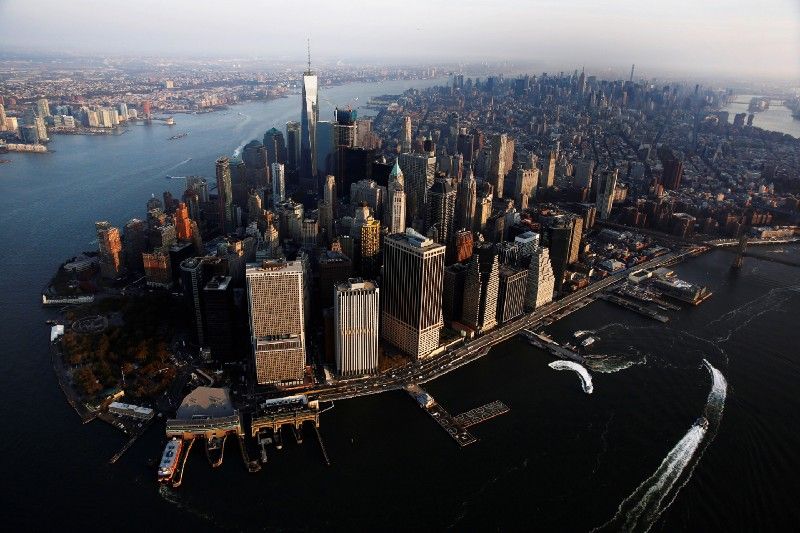
- New York City and Canada
- Florida and Indonesia
- Los Angeles and Australia
- Ohio and Saudi Arabia
- New Jersey and Argentina
- Massachusetts and Poland
- South Carolina and Vietnam
US economic heft isn’t what it used to be, but no one should underestimate the continuing appeal of access to its markets and the influence it provides US policymakers, even at the state level and local level.
More For You
Competitive pay. 401(k) contributions upon employment and 6% company match once eligible. Up to 16 weeks of combined paid maternity and parental leave. These benefits and more inspire generations – Daidrian’s 18-year Walmart journey motivated her son Jonothan to launch his own career as a Walmart associate. Learn more.
Most Popular
People search for casualties under the rubble of a collapsed building in the aftermath of earthquakes, in Caracas, Venezuela, on June 25, 2026.
REUTERS/Leonardo Fernandez Viloria
The death toll from the Venezuelan earthquakes continues to rise, nearing 600 by Friday morning. But as is often the case with natural disasters of this scale, there will be a political dynamic too.
The reported move is a reflection the overwhelming pressure on the German automotive sector from lower-cost Chinese car exports.
Think you know what's going on around the world? Here's your chance to prove it.
© 2025 GZERO Media. All Rights Reserved | A Eurasia Group media company.