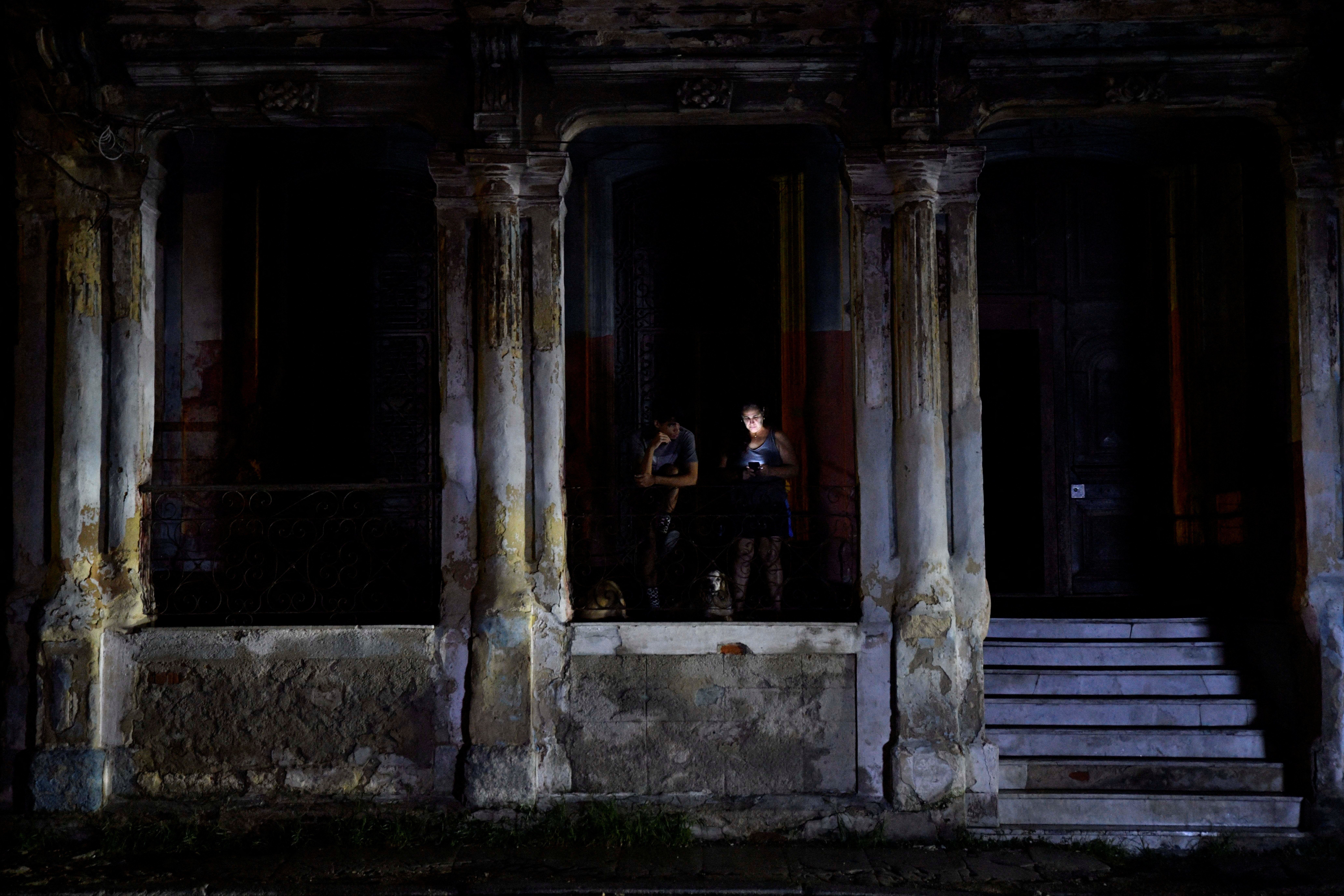
For the third time in two months, all of Cuba was plunged into darkness as the island nation’s power infrastructure shuddered to a halt on Tuesday.
It’s the latest blow for the Caribbean country’s 11 million people, who are grinding through the worst economic crisis in decades. Rising energy prices and sluggish post-pandemic tourism have worsened the effects of economic mismanagement by the Communist government and longstanding US sanctions. In recent years, fully 10% of Cuba’s entire population fled the island altogether.
Especially painful: Cheap oil imports from friendly Venezuela have fallen. For years, Cuba has exported doctors and spies to Caracas in exchange for discounted crude. But Venezuela, struggling with US sanctions of its own, has begun prioritizing Asian buyers who can pay in hard currency. Imports from Russia and Mexico have also fallen, starving Cuba’s decrepit, oil-fired energy plants.
Politically, there has been little effect … so far. But it was only three years ago that Cuba saw its biggest anti-government protests – for food and freedom – in decades. A ferocious crackdown silenced dissent, and hundreds remain in prison, but the economic hardship has only deepened since then.
And don’t forget Los Yanquis. Donald Trump has tapped Cuban-American Sen. Marco Rubio, an ultra-hawk on Cuba, to be his top diplomat. Things are set to get darker still for the Cuban regime.