GZERO North

Hard Numbers: BC port strike delayed (for now), Senators demand real cash for artificial intelligence, US inflation chills, Toronto squirrel drives power grid nuts

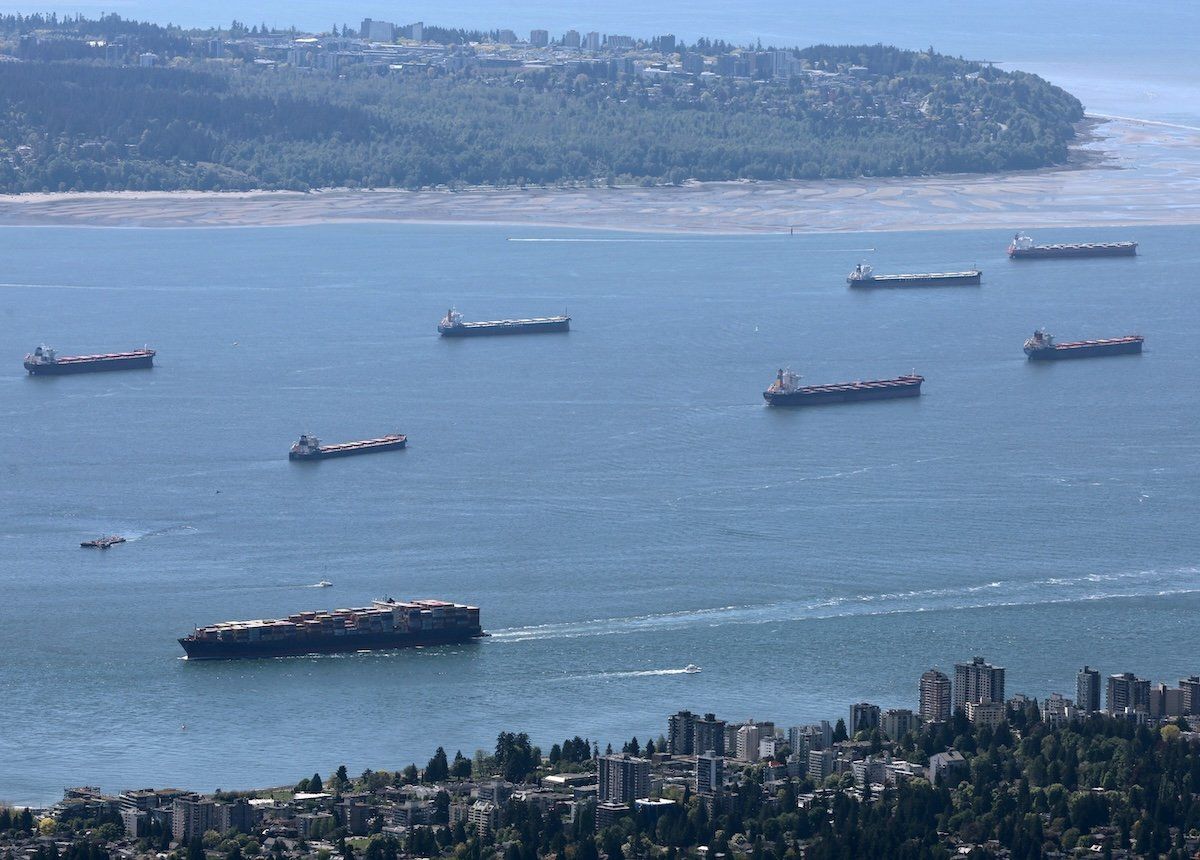
A container ship makes its way into the Port of Vancouver past vessels at anchor in English Bay, as seen from Grouse Mountain in North Vancouver, British Columbia, on May 10, 2024.
REUTERS/Chris Helgren/File Photo

72: The union representing longshoremen at the port of Vancouver has postponed issuing a 72-hour strike notice, creating extra time to avoid a work stoppage at one of North America’s busiest marine hubs. Still, talks between the longshoremen’s union and port bosses remain at an impasse over wage increases. The stakes are high: A two-week Canadian port workers strike last summer interrupted the flow of more than $7 billion worth of trade. Authorities in Alberta, worried about the impact on agricultural and mining exports, have urged Ottawa to intervene.

32 billion: What’s it gonna cost to keep the US ahead of China in the race to dominate artificial intelligence? At least $32 billion more for now, according to a new bipartisan call for Congress to pump more cash into non-defense uses of AI. Senate Majority Leader Chuck Schumer said he hoped lawmakers would agree on more AI funding by the end of the year.

3.4: Consumer prices in the US grew at an annual rate of 3.4% in April, down from 3.5% a month earlier. The main culprits were jumps in the costs of housing and gasoline, while prices for many foodstuffs — in particular eggs — fell. The declining rate of inflation gave fresh hope to investors eager for the Fed to start cutting rates later this year.

6,500: Toronto authorities managed to restore power to 6,500 residents after a three-hour outage this week caused by a squirrel that “came into contact” with grid equipment. We regard this as a copycat (copysquirrel?) crime, following the outages unleashed by raccoons in February.
More For You

Saudi Crown Prince Mohammed bin Salman receives UAE President Mohammed bin Zayed Al Nahyan, in Saudi Arabia, on September 3, 2025.
IMAGO/APAimages via Reuters Connect

To understand the deepening rift between the UAE and Saudi Arabia, following the UAE's exit from OPEC, GZERO spoke with Gulf expert Firas Maksad. He breaks down the tensions between Abu Dhabi and Riyadh and what "OPEC-xit" means for the region.

The President of Argentina, Javier Milei (bottom left), gestures in response to comments from deputies, alongside Secretary of the Presidency Karina Milei (bottom right), Minister of Human Capital Sandra Petovello (top left), and Minister of Economy Luis Caputo (top right), during the Chief of Cabinet's management report session in Congress. (in Buenos Aires, Argentina on April 29, 2026).
Silvana Safenreiter/NurPhoto

Right-wing leaders have been consolidating power across Latin America, driven by voter frustration with rising organized crime. However, with another batch of elections coming this year and next, the right's winning streak could be under threat.