In 60 Seconds
Can Huawei survive the US-China tech cold war?
Can Huawei survive the US-China tech cold war?
Can Huawei survive the US-China tech cold war?
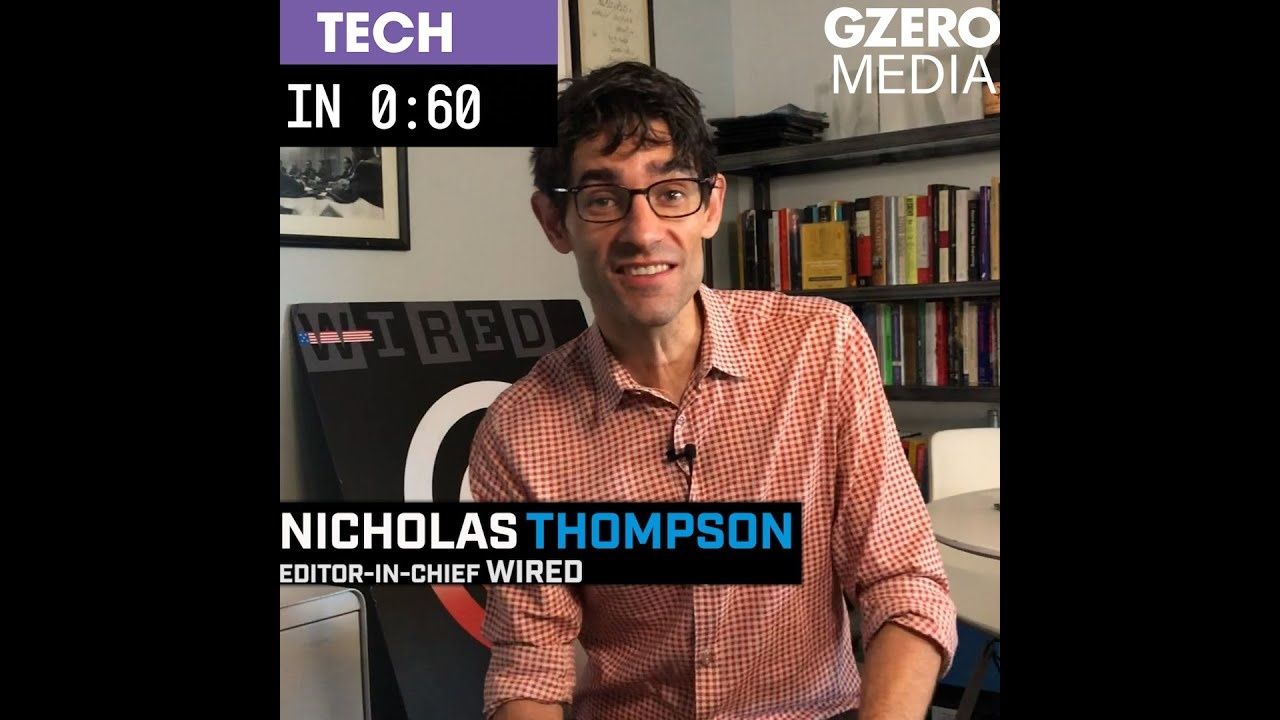
That is one of the questions of the year. They are on the defensive. ARM pulling their chip designs. A very big blow. Google saying they can't work with them. A big blow. I think Huawei will survive. But this is going to be a very fierce debate for the next few months.
Are Silicon Valley employees overpaid?
They are certainly paid a lot. The average employee at Google makes something like $250,000. On the other hand, does that mean they're overpaid? There's a lot of competition. Google makes money. The money has to go to someone. They give it to their employees and the shareholders.
Can AI be a fair judge in court?
It's a good question. Would you trust a judge that's actually a computer system? Certainly for some simple things like adjudicating parking tickets. 100% Complex cases? I don't know. We're gonna have humans involved for quite a while.
Will Uber's delivery drones take off?
This is a weird one. Definitely a lot of stuff will be delivered by drone. People don't really like drones. They don't really like Uber, so bad combination. I'm not sure they're going to lead the market.
In his latest Quick Take, Ian Bremmer examines the stability of US-China relations and why he believes the period of relative calm between the two countries may be coming to an end.
Prime Minister Anutin Charnvirakul quickly responded by vowing tougher gun-control legislation and a renewed crackdown on illegal weapons.
Check out the latest swag from the official Puppet Regime merchandise store! Browse an array of products that will show the world you are a devoted subject of the Regime, including: A big, beautiful mug for drinking coffee very strongly, A handsome tote bag to carry your favorite classified documents, Collectible stickers, Stylish t-shirts and hoodies – now also available in pink. We ship worldwide! Shop now at shop.puppetregime.tv!
US-backed negotiations are opening a possible path to democratic elections in Venezuela – even as the country’s most popular opposition leader remains outside the room.