GZERO World Clips
Russia has no endgame — but it's not out of the game (yet)
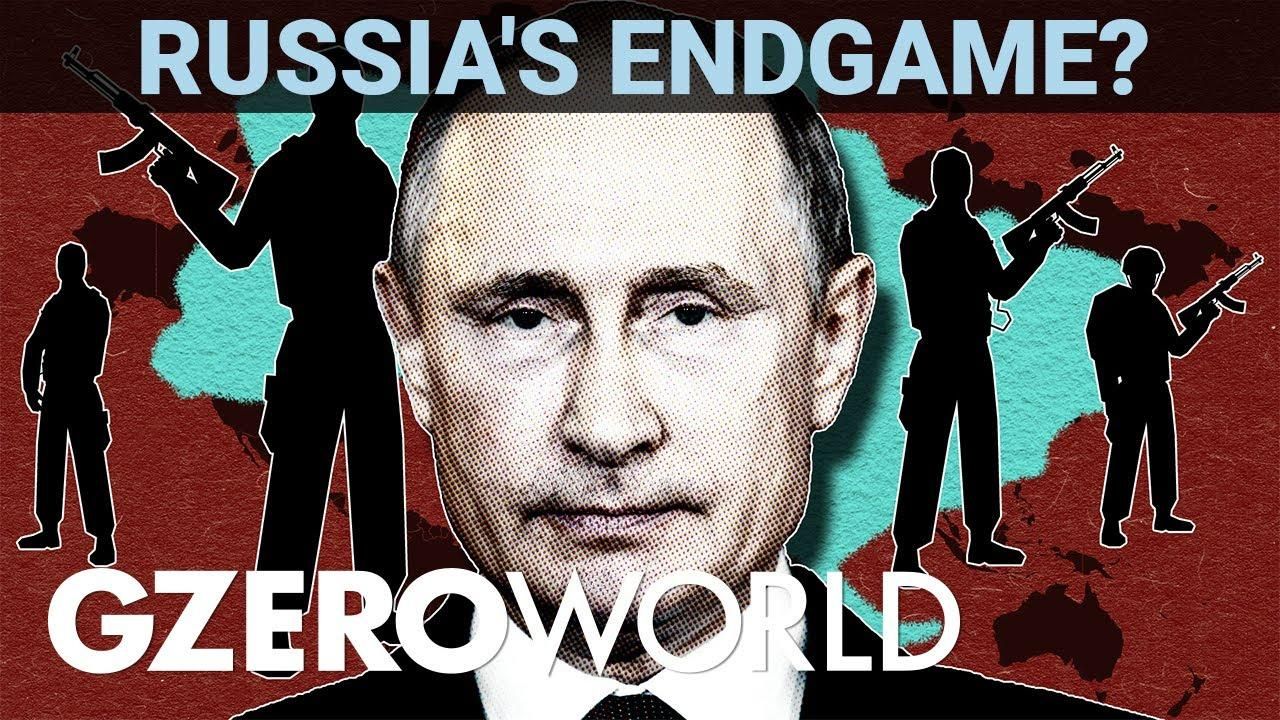
Russia Has No Endgame — But It’s Not Out of the Game (Yet) | GZERO World
Russia's war in Ukraine upended geopolitics in 2022. And its fallout will extend into 2023.
The one thing that keeps international relations expert Tom Nichols up at night is that there's no endgame for Russia, a permanent member of the UN Security Council turned nuclear-armed rogue state.
On GZERO World with Ian Bremmer, former US State Department official Anne-Marie Slaughter pushes back, arguing that while Russia may have gone rogue for the West, much of the rest of the world is still happy to deal with Moscow.
Still, Nichols says Vladimir Putin is a terrible strategist because he was already getting what he wanted before invading Ukraine: global institutions were weakening. If they hold now, he adds, it'll be thanks to Putin.
What's more, for Slaughter the Russian military has performed so poorly in Ukraine that they've made the Ukrainians "look pretty good by comparison."
When eager minds need a weekend pass to an unforgettable museum, we are there. Learn more.
America used to be the anchor of the global humanitarian system, David Miliband tells Ian Bremmer on GZERO World, but after the US pullback of foreign aid, the world is confronting the consequences of what happens when that anchor is pulled up.
In the Pacific Northwest, acoustic monitoring is helping detect endangered southern resident orcas and alert nearby vessels in real time. By combining underwater sensors, edge computing, and AI, Microsoft and conservation partners are helping ships reduce noise and collision risks in critical feeding areas. The initiative offers a glimpse of how emerging technologies can support biodiversity conservation while balancing environmental and commercial interests. Read the full story here.
In his latest Quick Take, Ian Bremmer asks whether the United States should be pushing countries to choose between American and Chinese technology as the AI race accelerates.