UK's Liz Truss resigns
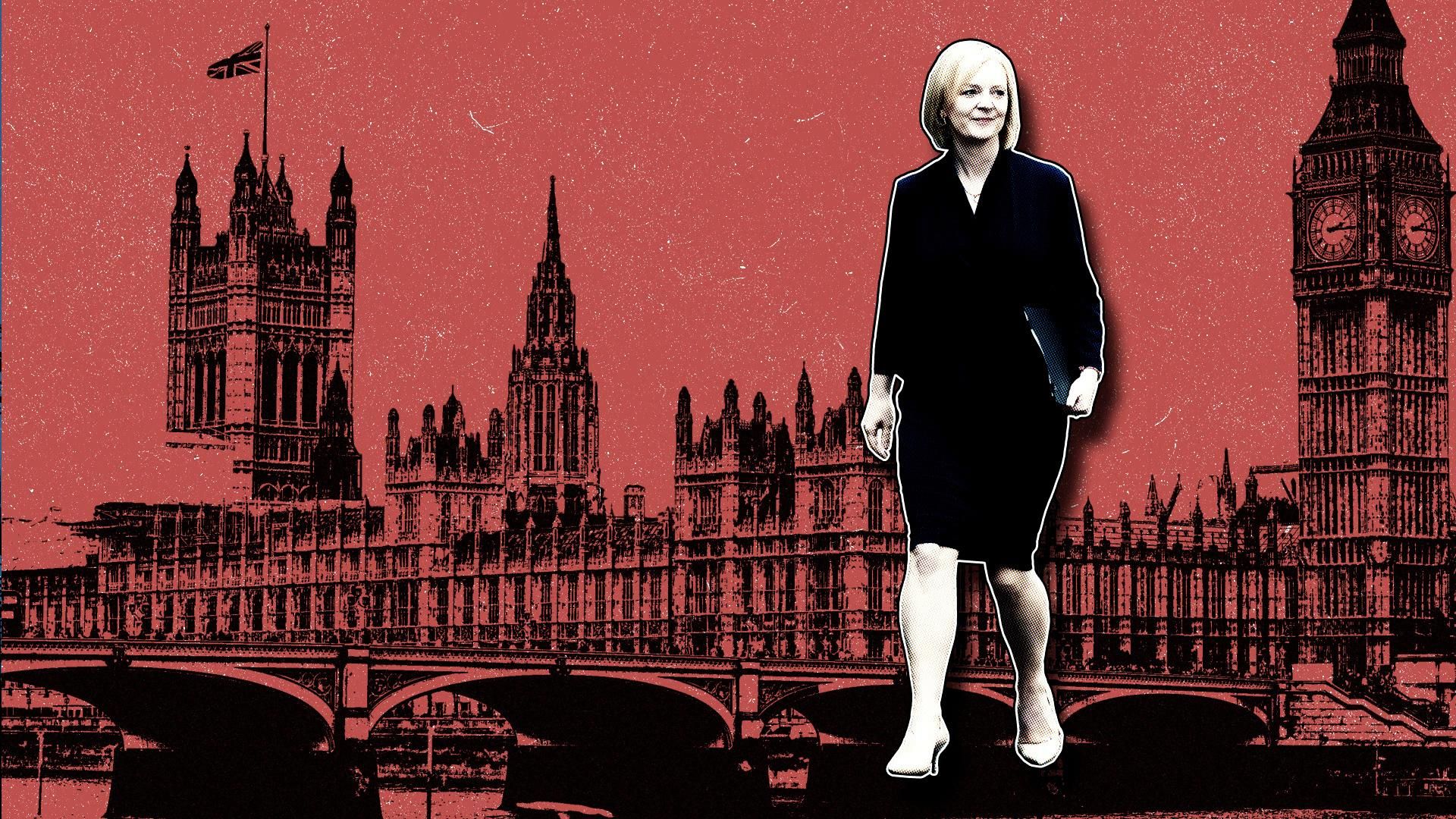
UK Prime Minister Liz Truss resigns.
GZERO Media
There have been jokes about whether UK Prime Minister Liz Truss could outlast a head of lettuce. But who’s laughing now? The newly installed British leader announced on Thursday that she’s resigning, unable to fulfill the promise of a low-tax, high-growth strategy for getting the post-Brexit economy moving. Truss noted that her government had delivered on reducing energy bills and cutting national insurance fees. But given the energy and economic crises — UK inflation hit a whopping 10.1% in the latest figures — and Russia’s war on Ukraine, which she said “threatens the security of our whole continent,” her plan for growth is untenable. Truss will stay on in the post, much like predecessor Boris Johnson did, until a replacement is found. A Tory leadership contest will come next, but any hopes for immediate solutions to the UK’s mounting crises have been dashed.
Sign up today for GZERO's dailySignal newsletter.
Saudi Arabia, Turkey, and Pakistan on a Friday signed a joint defense agreement that characterizes an attack on one as an attack on all.
Think you know what's going on around the world? Here's your chance to prove it.
As America celebrates 250 years, Bank of America is proud to honor our shared history. Discover our commitment.
Prime Minister Narendra Modi’s ruling Bharatiya Janata Party (BJP) has lost a by-election for a seat in the eastern state of Bihar that it held for three decades.