GZERO World with Ian Bremmer
What’s Iran’s next move?
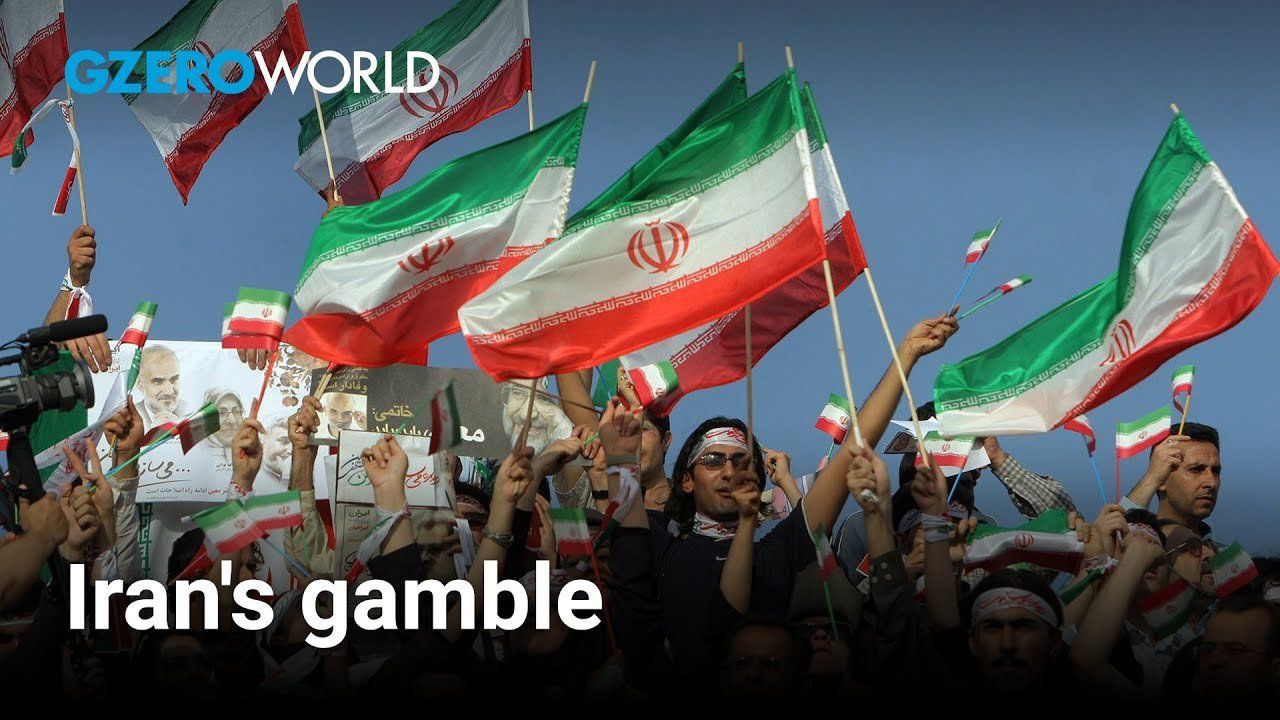
What’s Iran’s next move? | GZERO World with Ian Bremmer
Remember that famous line from Bill Clinton’s campaign staffer James Carville back in 1992?: “It’s the economy, stupid!” As Israel’s war with Hamas escalates, it brings to mind—in a nasally Louisiana accent—the phrase “It’s Iran, stupid.”
Because, whether it’s the dizzying arsenal of Hezbollah rockets in southern Lebanon pointed at Israel, or the Houthi drones targeting Israel from Yemen, or the Iranian Revolutionary Guard facilities in Eastern Syria-, one thing is clear: all roads lead back to the Ayatollah. And yet, there’s a big difference between skirmishes with proxy forces and an all-out US/Israel war with Iran.
"Iran feels particularly emboldened at the moment," says Iran expert Karim Sadjadpour, Senior Fellow at the Carnegie Endowment for Peace, who joins Ian Bremmer on GZERO World. "Whether it's going after Israel via proxies or going after the US via their proxies. And they may be difficult to deter because they may either correctly read the situation that the US is not interested in a conflict, or they may misread it. And that could lead us to more direct conflict with Iran."
So how close is Iran to waging war on Israel, and its Western allies? Iran is, after all, a rogue nation well on its way to developing a nuclear weapon. And that’s an escalation that no one, including Iranian leadership, wants to see happen.
Artificial intelligence now contributes to more than half of cybercrime in Africa
US-backed negotiations are opening a possible path to democratic elections in Venezuela – even as the country’s most popular opposition leader remains outside the room.
Think you know what's going on around the world? Here's your chance to prove it.
The Democratic Republic of Congo has reportedly banned exports of copper and cobalt concentrates – the goal is to force more processing at home and capture a larger share of profits generated from its natural resources.