GZERO North
Where there’s fire there’s smoke
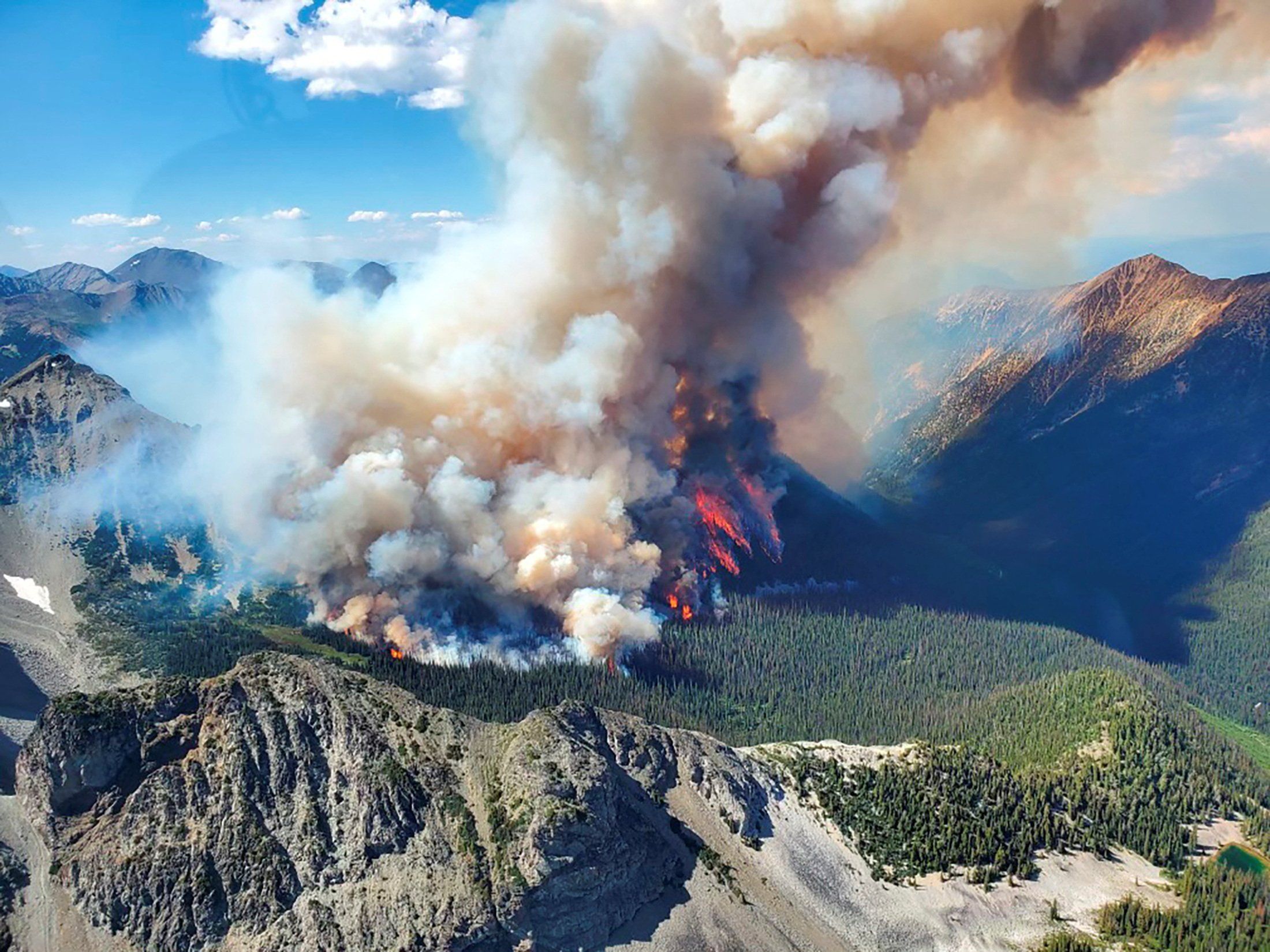
Smoke rises from the Texas Creek wildfire south of Lillooet, British Columbia.
BC Wildfire Service/Handout via REUTERS
Americans living along the Eastern Seaboard can be forgiven this summer for thinking Canada’s number one export to the United States is smoke. Once again this week, wildfires in eastern Canada have sharply reduced visibility in New York City and other cities in the US Northeast. But even residents of southern states like the Carolinas and Georgia are feeling the effects. Now, fires from Canada’s northwest are triggering air quality alerts from Portland, Oregon, to Plano, Texas. Some 44 million people in 28 states and Washington, DC, have been affected.
Firefighters in Canada are reportedly battling as many as 900 fires across the country, with two-thirds of those burning out of control. This year’s fires have burned more than 26 million acres in Canada, about 850% the usual number. The previous record, 17.5 million acres, was set in 1995. Canada’s wildfire season will continue for a few more months.
Aware that extreme weather events have both human and economic effects, governments in both countries are pledging to spend more on plans to help the most vulnerable citizens protect themselves. You can read a good summary of what policymakers are up to on both sides of the border here.From shopping to services, consumer spending is showing strength across categories. Holiday shopping got an early start, and it’s not just higher earners filling their carts. Bank of America Institute sees continued spending growth recovery for lower- and middle-income households. See what’s driving the trends.
Garment workers in Bangladesh have taken to the streets over the past week, demanding higher wages and forcing more than 600 factories to shut down nationwide.
As AI creates new opportunities, the people who understand a community best play an important role in determining how those opportunities take shape. Across the US, Microsoft is supporting AI literacy classes as part of a new program developed in collaboration with the Public Library Association, working through trusted local institutions to help people build practical AI skills. By pairing new technology with local knowledge, the initiative is helping communities explore how AI can support their needs and open new possibilities, while putting local leaders and organizations at the center of that work. Read the full story here.
We’re breaking down the three main issues that could help decide tomorrow’s elections: the cost of living, Israel, and AI.