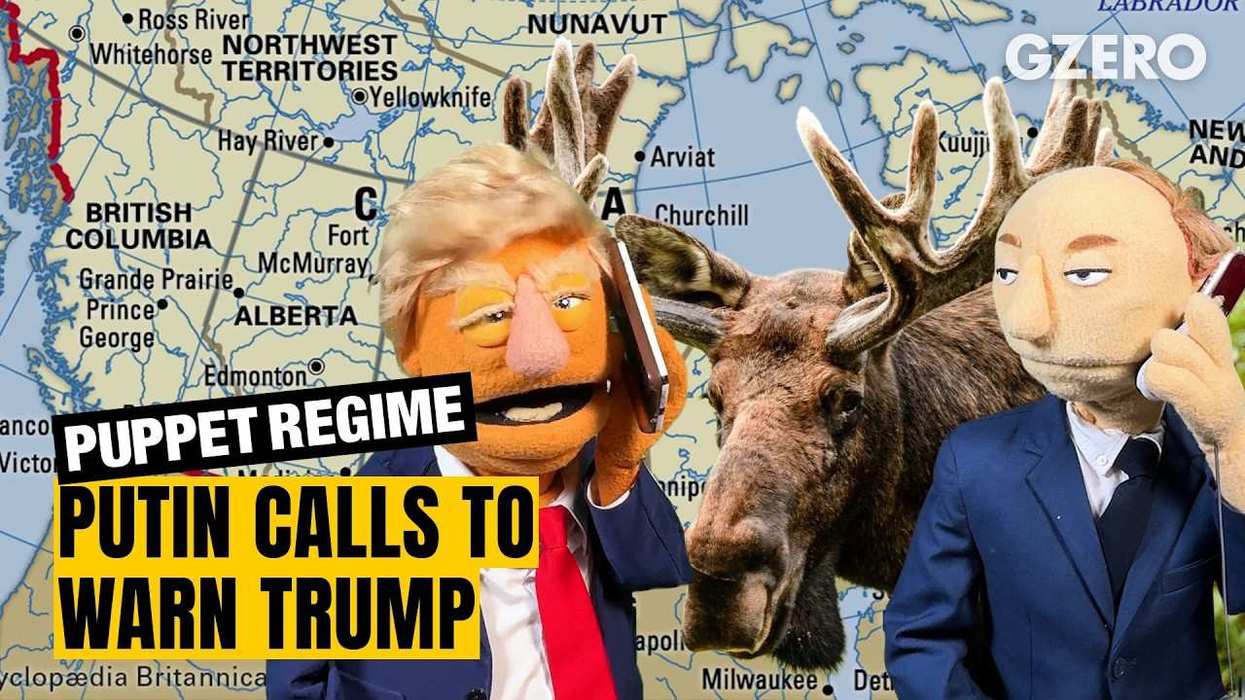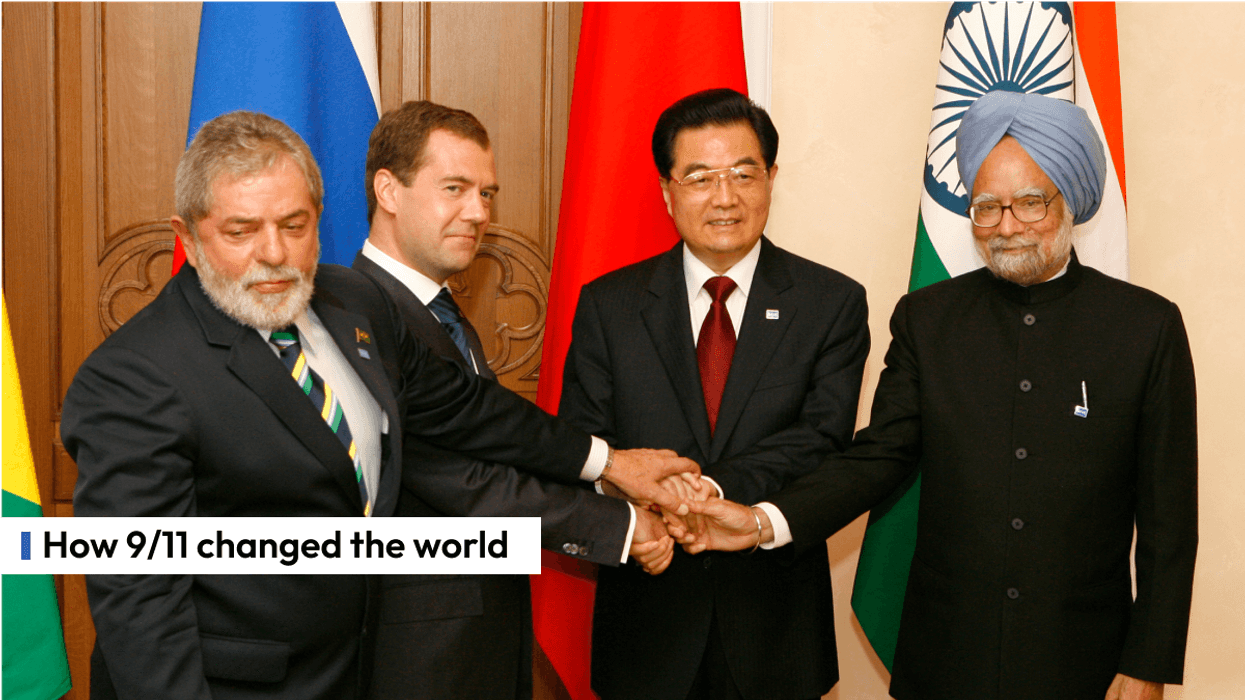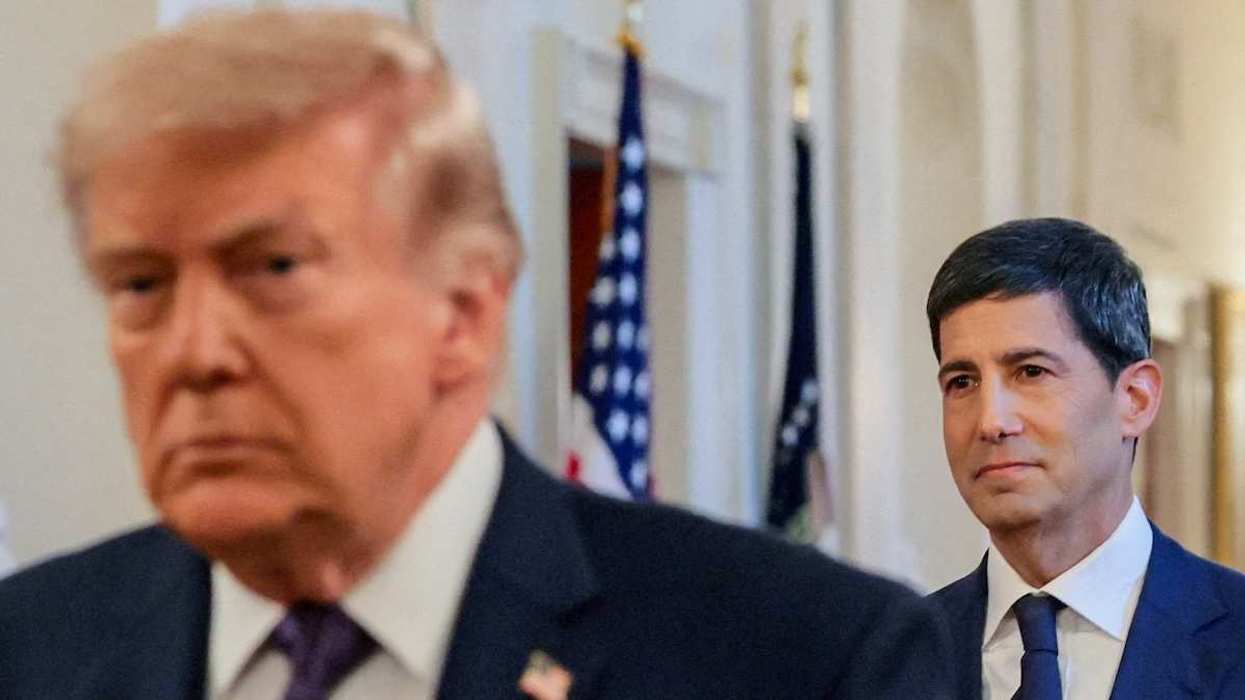
When US President Donald Trump threatened 50% tariffs on India last week over its purchases of Russian oil, it put Indian Prime Minister Narendra Modi in a quandary. Delhi has been growing ever closer to the West in recent years, but it also doesn’t want to lose its decades-long relationship with Russia – and it’s all because of China.
“India also wants to maintain a certain relationship with Russia – it keeps Moscow neutral when New Delhi and Beijing fight – which depends a lot on buying something from them,” said Eurasia Group’s South Asia Practice Head Pramit Pal Chaudhuri. “Purchases of Russian defence equipment are falling so oil [is] a useful substitute.”
To better understand why India’s relationship with the Kremlin is so crucial to Modi, as well as India’s views on the Russia-Ukraine war, GZERO spoke to former Indian Ambassador to Russia Pankaj Saran, who served in the role from 2016 to 2018. A diplomat for roughly four decades, Saran was also India’s deputy national security adviser from 2018 to 2021. This interview is edited for length and clarity.
Why is Russia so important to India?
For India, the primary strategic challenge is China, and it is not Russia.
India cannot afford to antagonize Russia, given the fact that in the last few years, Moscow has actually moved closer to China. So we have to keep Russia in play as a nation... The second reason is economic. We need all the natural resources and all the minerals and other resources to fuel our own growth and to meet our own demands. And thirdly, because of the fact that we’ve actually, historically speaking, had no real problems with Russia. We’ve had difficulties with the United States, with China, with Pakistan. But with Russia, the record is actually pretty clean, except for a brief period early on. And fourth, from a cultural and historical perspective, India and the Indian elite, regardless of the political parties in power, feel that you have to go and establish relationships beyond the Western world.
Is there a world in which India stops buying Russian oil?
Yes, sure. If the energy sources were to go back to normal, price-wise, India would also revert back to its normal, traditional sources, like the Gulf. Remember that, until 2022, India was virtually not importing any oil from Russia. This is quite a record, considering we have historically been an importer, and we have not imported oil from Russia, despite the best of relations since forever.
Note: There has been a discount on Russian oil ever since the European Union and the US placed sanctions on Moscow in 2022, right after Russia began its full-scale invasion of Ukraine. Read more here.
Is there a world in which Modi discourages Indian oil firms from buying Russian oil in response to pressure from the United States?
I can’t rule it out. What is also important is the Indian relationship with the United States. In today’s day and age, the India-US relationship has become very important, much more substantive than it ever was in the last 20-25 years… There is a lot at stake in the India-US relationship. He did stop buying Iranian oil during the first Trump administration. But the relationship with Russia is different from India-Iran.
Are the US tariff threats pushing Delhi toward Moscow?
To some extent, but it will not be a sharp swing to Russia, because the connectivities between India and the US have grown so much that it would be a very high-risk game to have any sharp swing towards Russia. But both Moscow and Beijing will definitely be quite pleased to see this sudden emergence of tensions between India and the US.
Turning to the Russia-Ukraine war: former US Ambassador to Russia John Sullivan said he believes Russian President Vladimir Putin doesn’t want a ceasefire and he wants victory. Do you agree with that assessment?
No, I don’t agree at all. I think this is the best chance we have to get Putin to enter into a ceasefire. And I think he also knows it. I think Alaska holds great promise. I think Putin is looking for a way out. He would be ready to get into a ceasefire, otherwise he wouldn’t go to Alaska... The question, of course, will be, what is the price he’s willing to pay if he’s offered a way out.
Is there anything you think Modi could do to encourage Putin to end the war in Ukraine?
This is a good time for Modi to talk with Putin. I’m quite sure that they’ve spoken, and I suspect also, there’s been some back and forth between Europe and Russia through the Indians… It is in India’s interest that this thing ends. I don’t see any way in which India would benefit from a continuation or an aggravation of tensions, which is not the same you can say maybe for the Chinese. Modi has tried to be part of the solution. He’s certainly not a spoiler in the mold of some of the Europeans.