Mother-son podcasting duo take on quantum computing
July 16, 2026
Quantum computing is moving closer to real-world applications, but making the technology understandable remains a challenge.

We have updated our Privacy Policy and Terms of Use for Eurasia Group and its affiliates, including GZERO Media, to clarify the types of data we collect, how we collect it, how we use data and with whom we share data. By using our website you consent to our Terms and Conditions and Privacy Policy, including the transfer of your personal data to the United States from your country of residence, and our use of cookies described in our Cookie Policy.
Quantum computing is moving closer to real-world applications, but making the technology understandable remains a challenge.
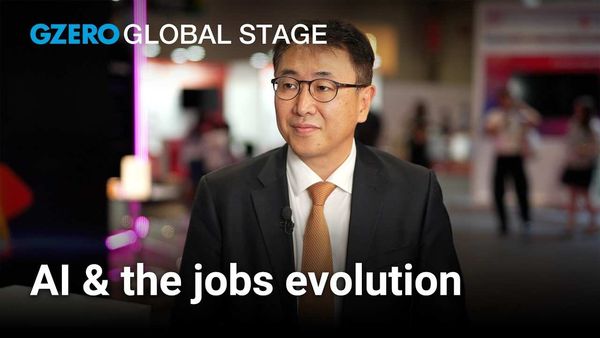
More than half of Americans believe their job is vulnerable to AI. The data tells a more complicated and in some ways more hopeful story.
Artificial intelligence is already helping humanitarian organizations identify people in need, improve supply chains, and deliver assistance more efficiently. But it also introduces new risks.
Artificial intelligence is advancing at an extraordinary pace, but are governments and society keeping up? In this interview from the 2026 AI for Good Global Summit in Geneva, pioneering AI researcher Yoshua Bengio discusses why today's AI safety debate goes beyond technical questions to broader issues of governance, public understanding, and international cooperation.
At the 2026 AI for Good Global Summit in Geneva, Tony Maciulis speaks with Tonee Ndungu, a Kenyan entrepreneur who helped launch one of the tech hubs that became a baseline for what is now known as Silicon Savannah. Ndungu explains how growing up with dyslexia and ADHD shaped his focus on inclusion, and why he sees technology as a bridge that can help people move beyond the limits they have been told about themselves.
Everyone wants to talk about artificial intelligence. But according to Kamal Kishore, the UN Secretary-General's Special Representative for Disaster Risk Reduction, the bigger challenge may be something far less glamorous: collecting better data.
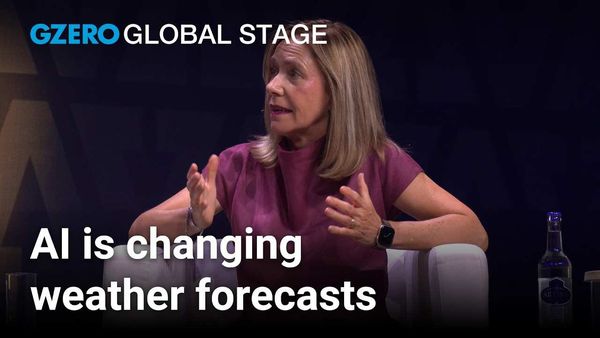
Artificial intelligence is transforming one of humanity's oldest challenges: predicting the weather. Speaking at the 2026 AI for Good Global Summit, World Meteorological Organization Secretary-General Celeste Saulo explains how AI has dramatically accelerated weather forecasting. Tasks that once required a week of computing can now generate multi-day forecasts in just minutes, making advanced forecasting faster, more accessible, and increasingly available beyond the world's largest supercomputers.
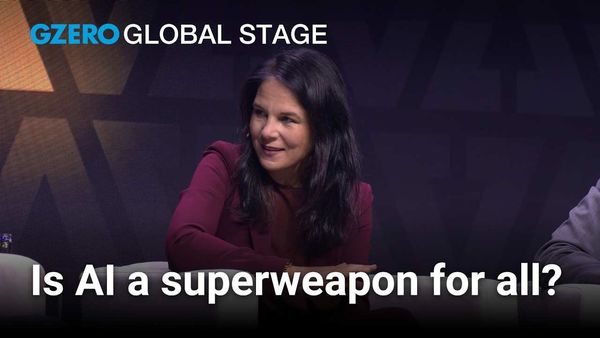
Artificial intelligence has enormous potential, but only if people can actually access it.
Speaking at the 2026 AI for Good Global Summit, UN General Assembly President Annalena Baerbock argues that AI should not be viewed as a cure-all for global development. Without reliable internet, telecommunications infrastructure, and access to basic technology, even the most advanced AI tools cannot reach the communities that need them most.
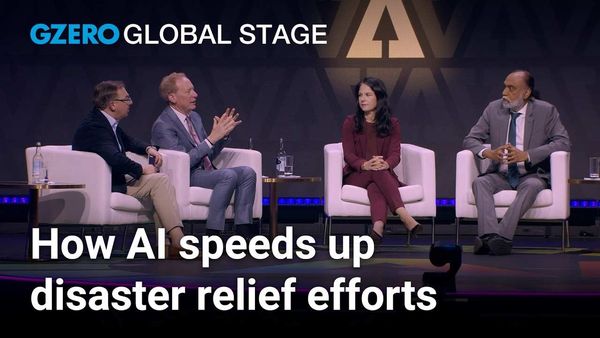
Artificial intelligence is becoming an increasingly powerful tool for disaster preparedness and emergency response.
Speaking at the 2026 AI for Good Global Summit in Geneva, Microsoft Vice Chair and President Brad Smith explains how AI combines predictive modeling, satellite imagery, and public data to help governments identify vulnerable communities before disasters strike and respond more quickly when they do.
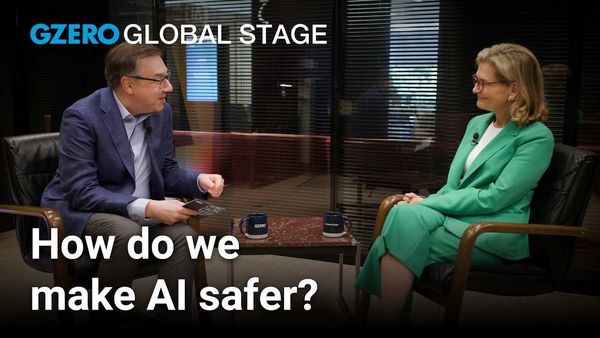
At the 2026 AI for Good Global Summit in Geneva, ITU Secretary-General Doreen Bogdan-Martin says the future of artificial intelligence depends on putting the right guardrails in place to ensure AI is developed safely, responsibly, and equitably.