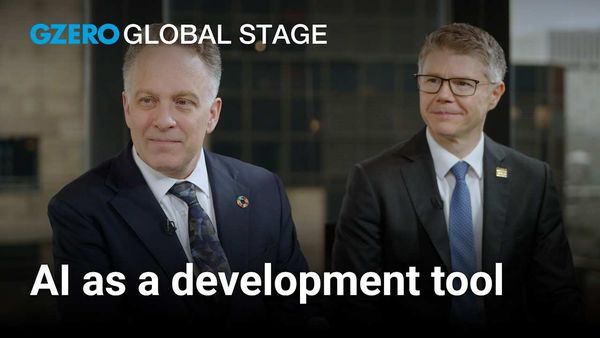
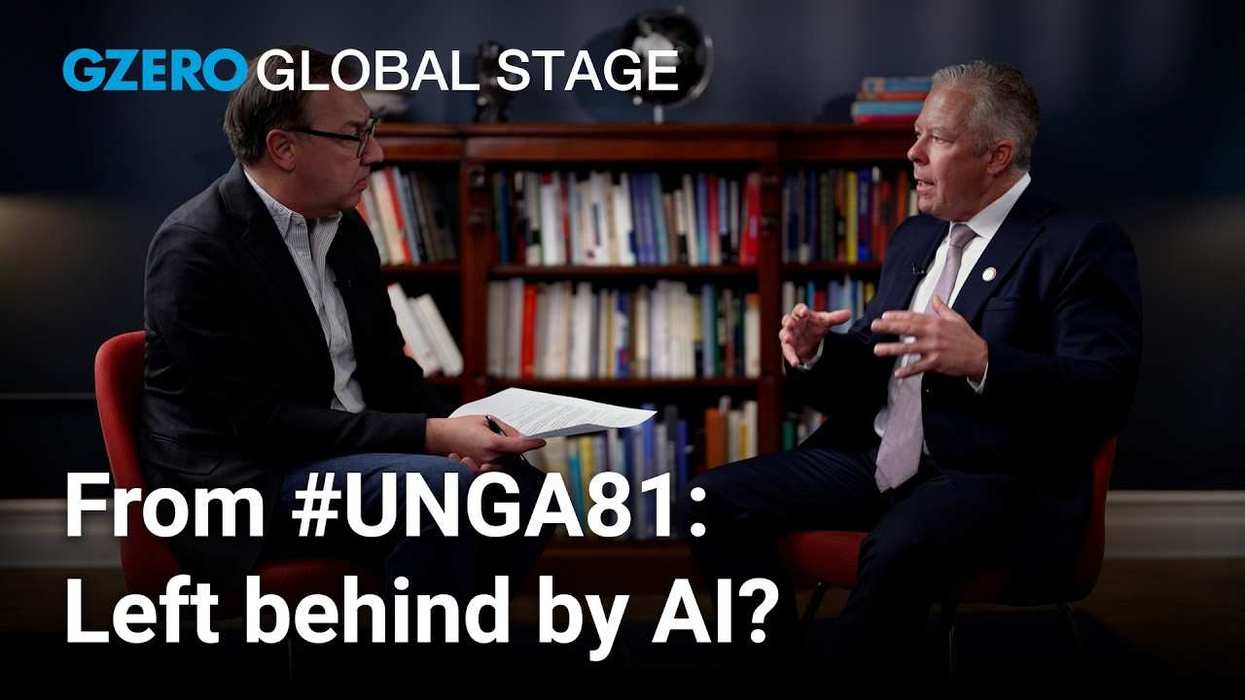
With conflicts, economic shocks, and shrinking development budgets putting pressure on global systems, Donohoe emphasized the need to stay focused on tangible outcomes. “The heat of the fire is felt by so many at the moment, but there needs to be light for tomorrow as well,” he said, highlighting the importance of pairing short-term crisis response with long-term development strategy. That means setting clear, measurable goals. From expanding electricity access to improving healthcare and supporting farmers, all while working more efficiently with limited resources.
Donohoe also pointed to the growing role of the private sector, noting that the majority of future job creation will come from private investment. For institutions like the World Bank, that means scaling partnerships and using policy to unlock capital. At the same time, new technologies like AI present both, opportunity and risk. While automation could disrupt labor markets, Donohoe sees pathways for job growth, particularly in sectors like agriculture, where digital tools can improve productivity and access to markets.
Ultimately, he argues that development in today’s environment requires resilience, coordination, and a clear focus on outcomes to ensure that even in a world of constant crisis, long-term progress remains within reach.
This conversation is presented by GZERO Media in partnership with Microsoft. The Global Stage series convenes global leaders for critical conversations on the geopolitical forces reshaping our world.