Search
AI-powered search, human-powered content.
scroll to top arrow or icon

Commission on the Status of Women

Global Stage brings you interviews and livestream discussions from the annual United Nations Commission on the Status of Women meetings at UN headquarters in New York City.
Gender gap in AI job displacement

Gender gap in AI job displacement

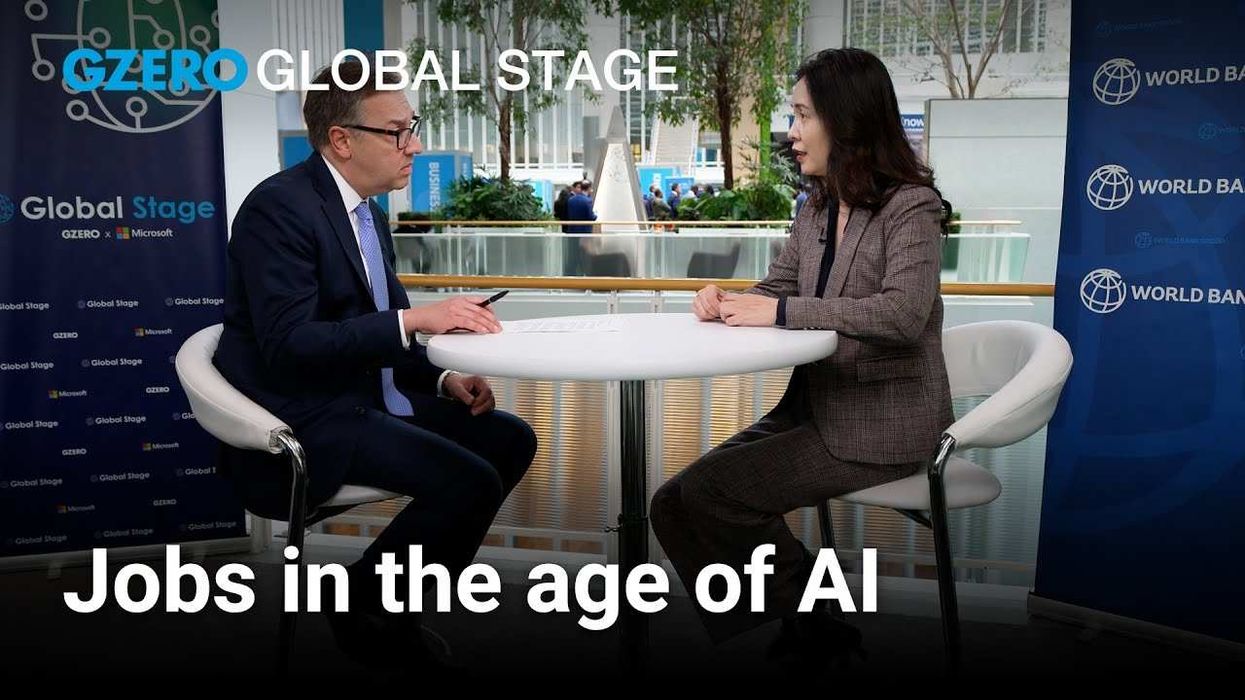
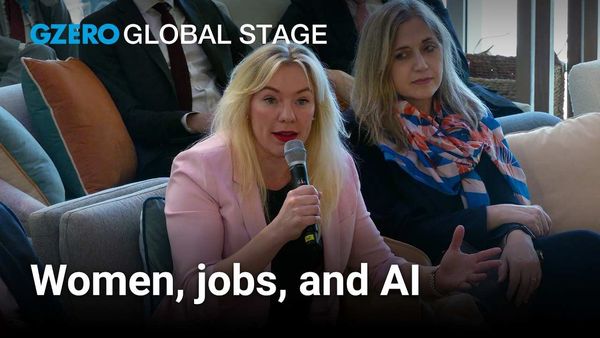
Who benefits from AI and who is left behind? Speaking at the United Nations, Sarah Steinberg highlighted the disproportionate impact of AI on women in the workforce. One in three women works in a job "likely to be disrupted or significantly changed by AI compared to one in four men globally,” Steinberg said. At the same time, women account for only a third of those building AI skills, creating a skills gap that could limit access to emerging jobs.
How can AI improve everyday life for citizens?

How can AI improve everyday life for citizens?

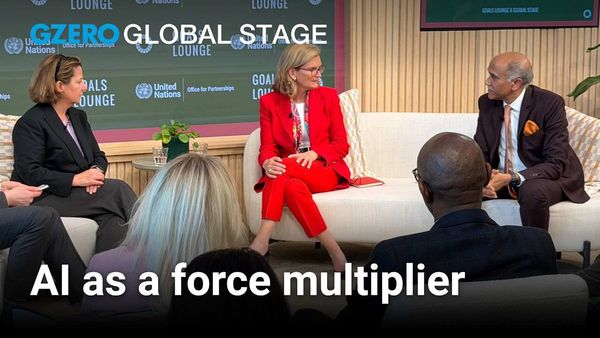
How can artificial intelligence improve everyday life for citizens? Speaking at the United Nations, Parvathaneni Harish highlighted India’s approach to digital public infrastructure. “Today in India, the cost of access to internet is the lowest in the world… and data usage per capita is one of the highest,” he said.

Preparing the workforce for AI

Preparing the workforce for AI

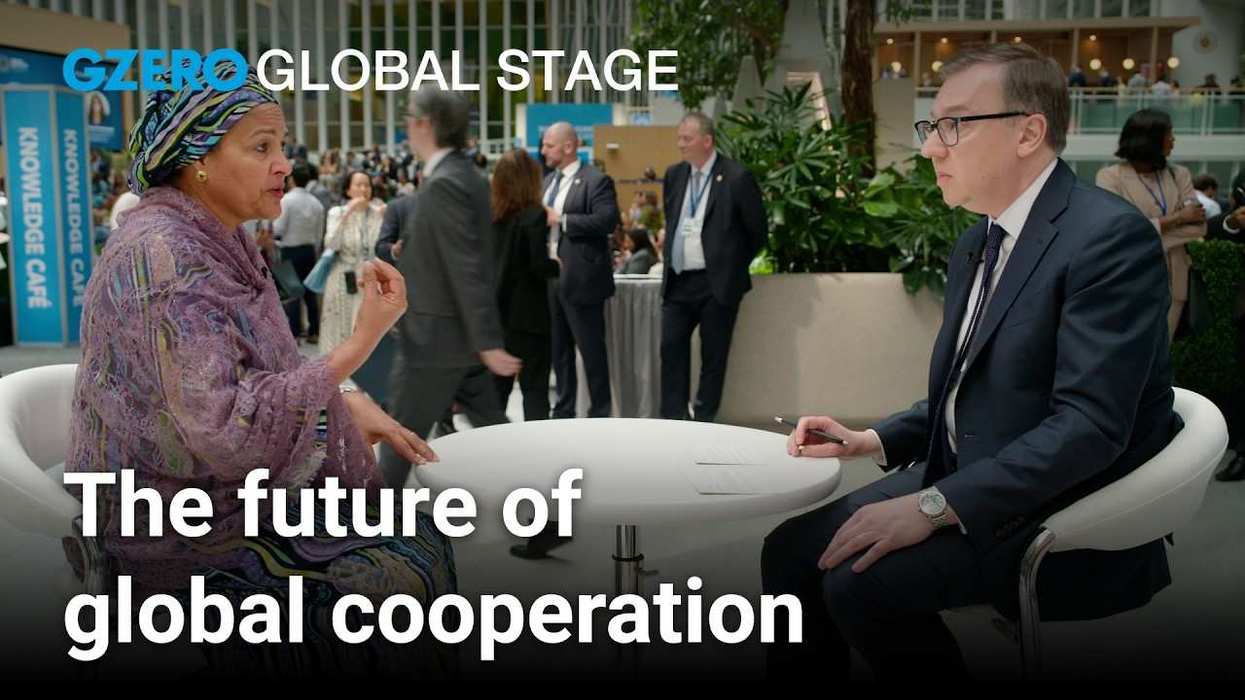
How will artificial intelligence reshape the global workforce, and who will be ready for it? Speaking at the United Nations, Doreen Bogdan-Martin said the rapid growth of AI will transform jobs worldwide, making large-scale workforce training essential. “We’ve seen estimates that 170 million new jobs will be created; maybe 90 million jobs will be lost,” she said. “So how do we ensure that we’re prepared?”

Expanding AI access worldwide

Expanding AI access worldwide

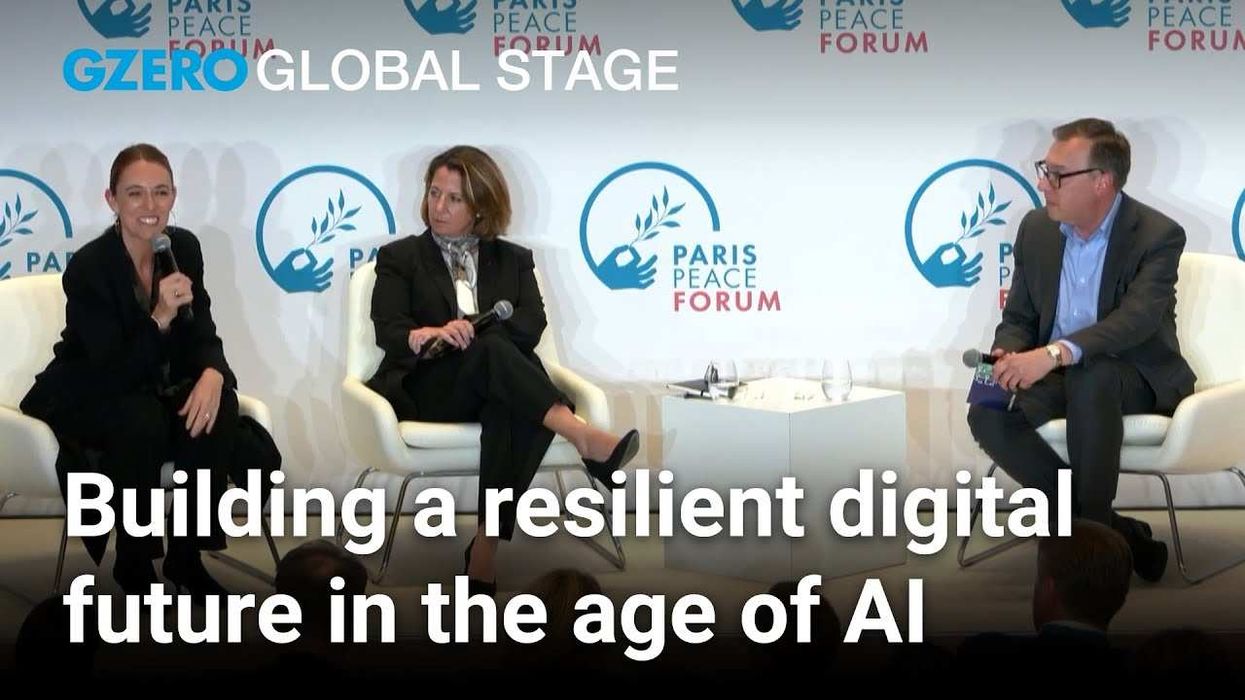
Could AI deepen global inequality or help close the gap? Lisa Monaco, President of Global Affairs, Microsoft, says it all comes down to trust. She argues that “people won’t use technology that they don’t trust,” especially as geopolitical tensions raise concerns about the reliability and resilience of digital infrastructure.

How can we fix the AI divide?

How can we fix the AI divide?

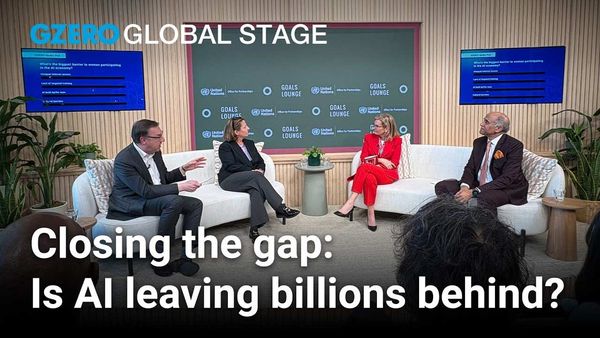
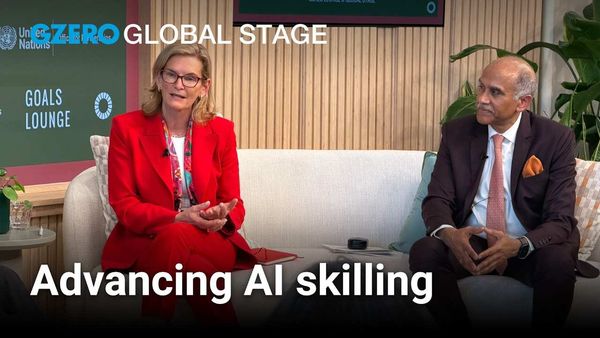
AI is moving fast, but not everyone is moving with it. Inside the UN, global leaders debate how to close the widening AI divide.
Artificial intelligence isn’t just about innovation. It’s about access, infrastructure, and whether the benefits of a transformative technology will be shared or concentrated.

Online violence means real-world danger for women in politics like EU's Lucia Nicholsonová

Online violence means real-world danger for women in politics like EU's Lucia Nicholsonová

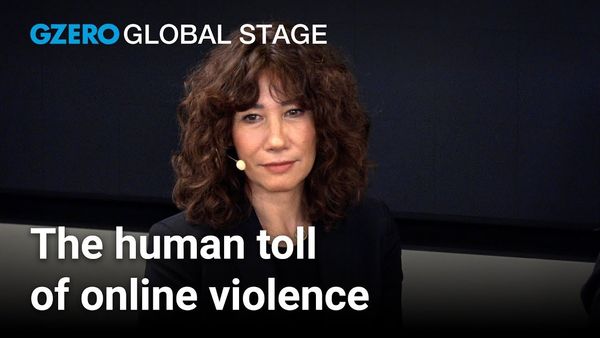
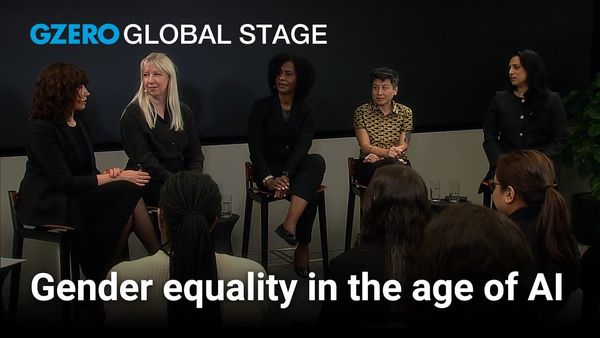
Lucia Nicholsonová, former Slovak National Assembly vice president and current member of European Parliament for Slovakia, recounts her harrowing personal experiences with disinformation campaigns and gendered hate speech online during a GZERO Global Stage discussion on gender equality in the age of AI.

The online abuse crisis threatens the mental health of young women worldwide

The online abuse crisis threatens the mental health of young women worldwide

On the internet, more than half of young women encounter abuse and harassment, some as young as eight. Michelle Milford Morse of the UN Foundation emphasizes that this takes a huge toll on their mental health.

What impact will AI have on gender equality?

What impact will AI have on gender equality?

At the current rate of progress toward gender equality, the World Economic Forum estimates it will take 131 years for women to attain parity in income, status, and leadership. While technology is a powerful tool to help close the gender gap, it can also be weaponized.