
Skip to content
Search

Latest Stories

GZERO World with Ian Bremmer Podcast

The United States will no longer play global policeman, and no one else wants the job. This is not a G-7 or a G-20 world. Welcome to the GZERO, a world made volatile by an intensifying international battle for power and influence. Every week on this podcast, Ian Bremmer will interview the world leaders and the thought leaders shaping our GZERO World.

Presented by

Latest Episode

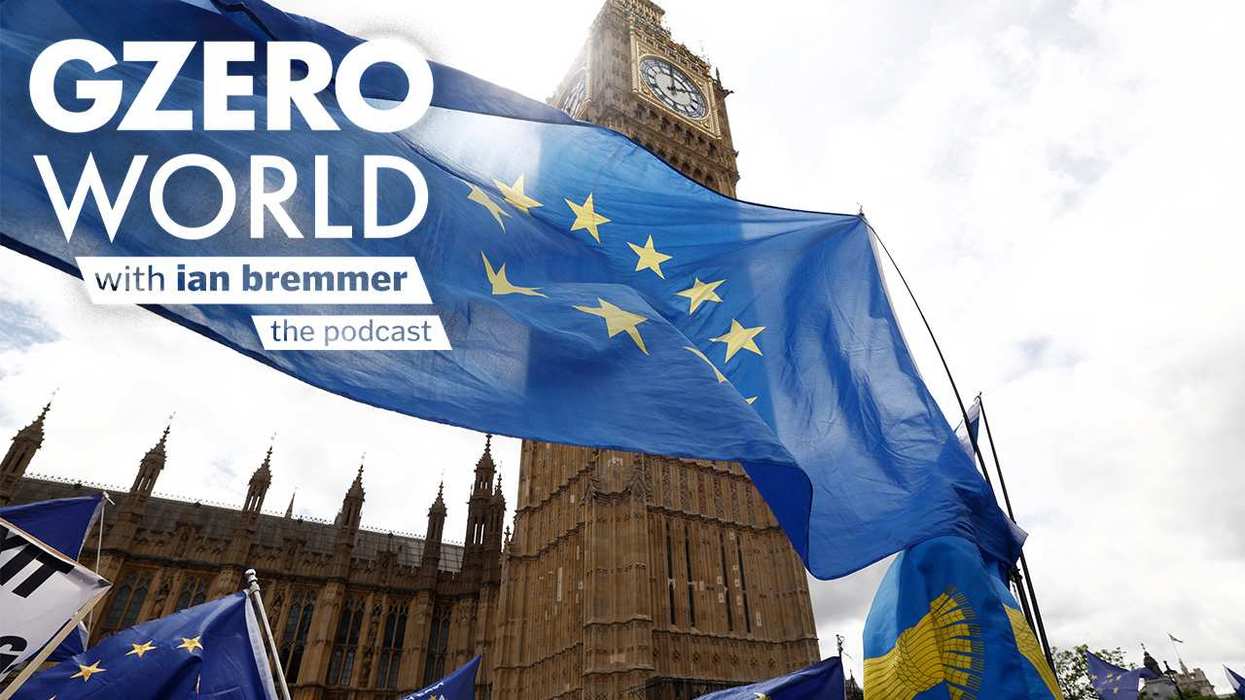
The UK a decade after Brexit, with Rory Stewart

The UK a decade after Brexit, with Rory Stewart

Ten years after Brexit, former UK cabinet minister Rory Stewart joins Ian Bremmer to examine the referendum's lasting impact on Britain's economy, politics, and place in the world—and why the UK is still grappling with the consequences today.

Ten years ago, Britain voted to leave the European Union in one of the most consequential political decisions of the 21st century. Supporters promised greater sovereignty, stronger economic growth, and a more independent future. Instead, Brexit ushered in a decade of political upheaval, economic uncertainty, and a fundamental rethinking of Britain's role in the world.

Keep reading...Show less

More from GZERO World Podcast

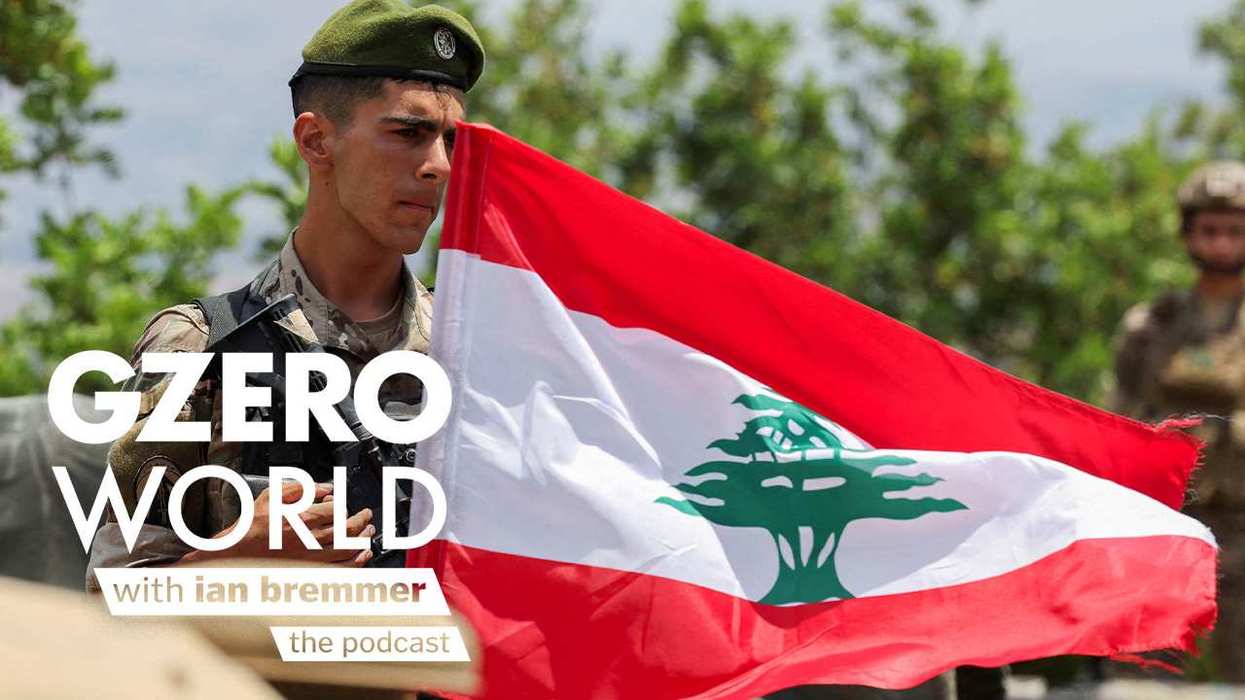
Lebanon's best chance for peace, with Kim Ghattas

Lebanon's best chance for peace, with Kim Ghattas

listen on:


While the world’s attention has focused on the Strait of Hormuz and the escalating conflict between the United States and Iran, another potentially transformative front has opened in Lebanon. Israeli attacks against the Iranian-backed group Hezbollah have left more than 4,000 people dead and displaced over a million. Now, a fragile ceasefire has raised a question diplomats have struggled with for decades: Can Hezbollah actually be disarmed?


On the GZERO World Podcast, Ian Bremmer speaks with Lebanese-born journalist and Middle East expert Kim Ghattas about Iran’s shrinking regional influence, Israel’s possible plans for a long-term buffer zone, and Lebanon’s best chance in decades to reclaim control of its territory. Hezbollah remains armed, but Ghattas argues that it is substantially weaker, while the fall of Syria’s Assad regime has severed a crucial link in Iran’s regional network.

Forcing the Lebanese Army to confront Hezbollah could trigger another civil war. Instead, Ghattas says Lebanon must gradually constrain the group, strengthen state institutions, and show Hezbollah’s supporters that diplomacy can deliver more than armed resistance. That will require Israeli withdrawals, international support, and difficult negotiations over the political future of Lebanon’s Shia community.

“You constrain their capacity to operate. You crowd them out,” Ghattas says. “You demonstrate that diplomacy works and delivers for the Lebanese people in terms of aid, in terms of improved relations with the US.”

As Hezbollah’s power weakens and Israel occupies parts of southern Lebanon, could the country finally reclaim its sovereignty? Or is it headed toward another war? Journalist Kim Ghattas joins Ian... More >

Putin staring at a car with the logo of GZERO World with Ian Bremmer the podcast

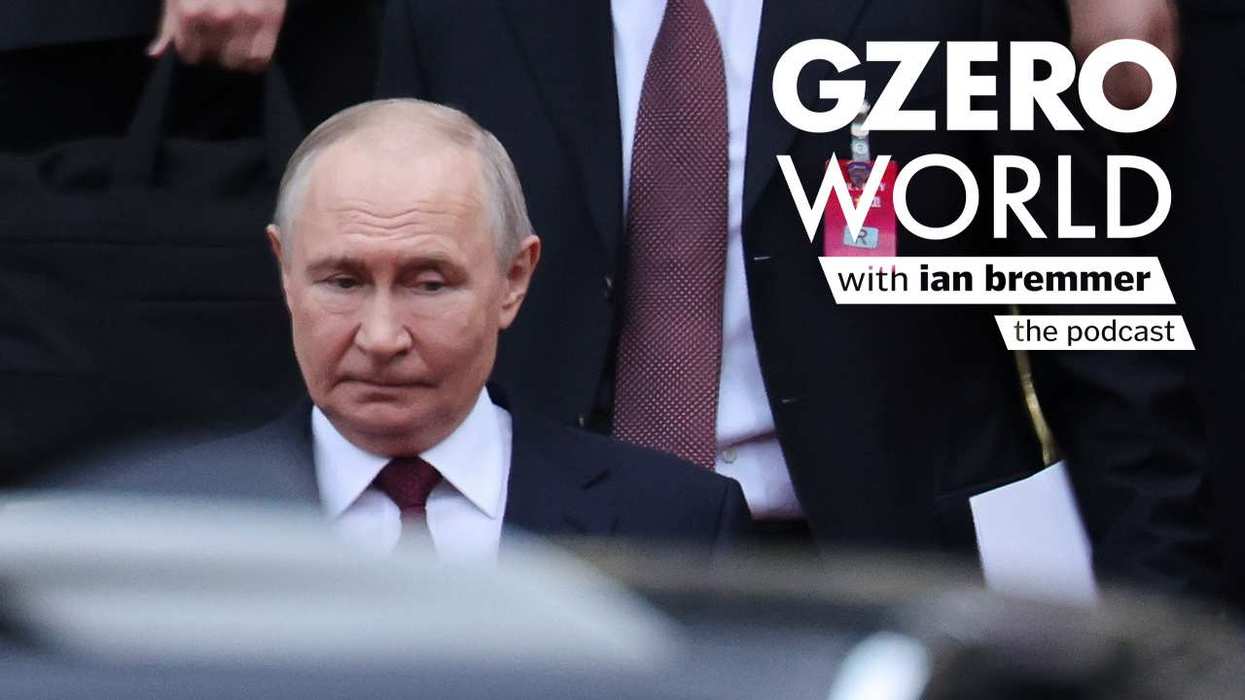
Inside Ukraine's strategy to pressure Putin, with Dmytro Kuleba

listen on:

For more than four years, Russia has wagered that it can outlast Ukraine. The Kremlin has more troops, more resources, and a greater tolerance for casualties, betting that Kyiv — and its Western allies — will eventually lose the will to keep fighting.

But that assumption is being tested. Ukraine is carrying out increasingly sophisticated strikes deep inside Russian territory, forcing Moscow to defend military bases, energy infrastructure, and even symbolic strongholds like Crimea. At the same time, NATO support has strengthened, Europe is expanding its defense cooperation with Kyiv, and President Donald Trump has struck a noticeably warmer tone toward Ukraine than he did just months ago.


On the latest episode of the GZERO World podcast, Ian Bremmer sits down with former Ukrainian Foreign Minister Dmytro Kuleba to discuss whether the momentum in the war is truly beginning to shift. They examine Ukraine's strategy of bringing the war home to Russia, why Kyiv believes pressure inside Russia is essential to changing the course of the conflict, and what Putin's remaining options look like if the costs continue to rise.

Kuleba also weighs in on Trump's changing approach to Ukraine, NATO's long-term commitment, Ukraine's path toward the European Union, and why he believes Europe's future security is inseparable from Ukraine's future.

Ukraine is bringing the war to Russia, challenging one of the conflict's biggest assumptions: that time is on Vladimir Putin's side. Former Ukrainian Foreign Minister Dmytro Kuleba joins Ian Bremmer... More >

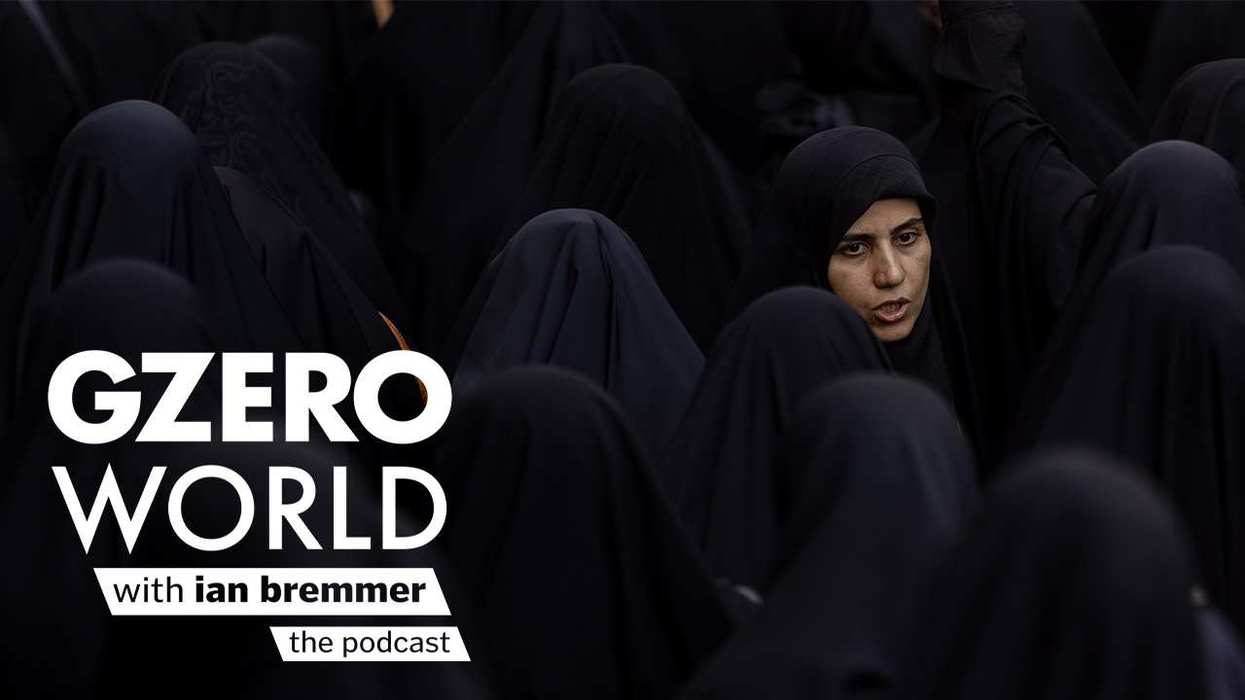
The human cost of Iran's war, with Yeganeh Torbati

The human cost of Iran's war, with Yeganeh Torbati

listen on:

Iran’s government emerged from the war with a powerful new story to tell: it withstood attacks from the United States and Israel, kept its grip on power, and gained fresh leverage in the region. But that is not how the conflict looks from inside the country.

For ordinary Iranians, the conflict has brought more fear, deeper economic pain, and little sign that the political change many hoped for is any closer. The protest movement that shook the country has been pushed underground by a brutal crackdown, while the government uses internet restrictions to make it harder for people to organize, communicate, and show the world what is happening.

On the latest episode of the GZERO World podcast, Ian Bremmer speaks with New York Times Iran correspondent Yeganeh Torbati about life inside Iran during the war. They discuss why Tehran feels more emboldened, how ordinary people are navigating repression and a worsening economy, why some Iranians feel betrayed by Donald Trump’s promises of support, and whether the frustrations that drove millions into the streets could eventually erupt again.

Iran’s regime has survived the war, but ordinary Iranians are still living with fear, repression, and a collapsing economy. Yeganeh Torbati joins Ian Bremmer to explain what comes next for the people... More >

Uncle Sam celebrating July 4th

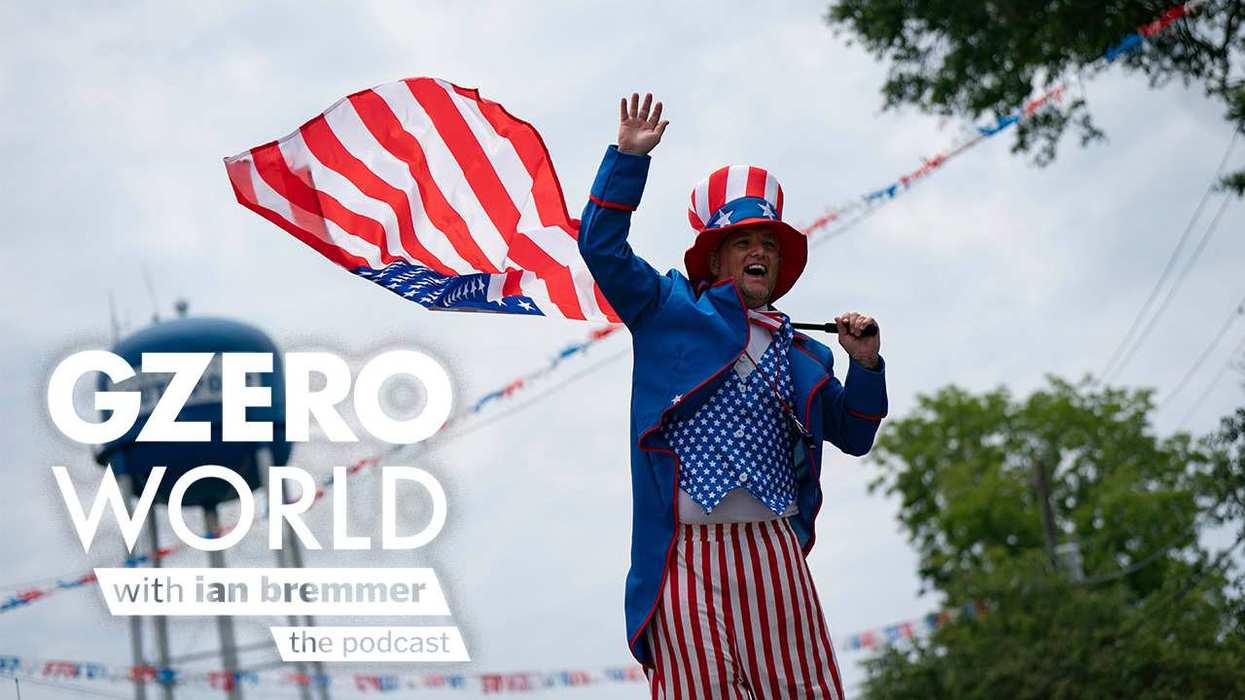
America at 250: Patriotism, Trump, and America's future, with Bill Maher

listen on:

America turns 250 at a time when even celebrating the country can feel political. In the latest episode of the GZERO World podcast, Ian Bremmer sits down with comedian and political commentator Bill Maher to discuss patriotism, polarization, and the arguments Americans are having over what their country represents.


Maher argues that patriotism should not belong to US President Donald Trump or any one political party. Americans can confront the country’s failures, he says, without losing sight of the ideals and institutions that have helped drive progress: the rule of law, civil rights, scientific inquiry, and a system of checks and balances designed to restrain power.

The conversation also turns to the future of the Democratic Party, the political costs of ideological purity, and the challenge of winning back the center ahead of 2028. Maher weighs in on Trump’s second term, too, arguing that while the president continues to test the limits of executive power, Congress, the courts, and members of his own party have shown that America’s guardrails still matter.

It is a wide-ranging conversation about the country’s past, its present divisions, and whether Americans can still find reasons to celebrate the experiment they share.

As America marks its 250th birthday, Bill Maher joins Ian Bremmer to discuss patriotism, political division, Donald Trump, and why the country is still worth celebrating.... More >

GZERO Podcasts