Global humanitarian needs are rising sharply – right as the systems designed to respond to them are facing the deepest funding cuts in years.
More than 120 million people were forcibly displaced worldwide in 2025, and the United Nations estimates that number will climb to 136 million by the end of this year as conflicts in Gaza, Sudan, and Ukraine continue, and the war in Iran adds fresh uncertainty to an already unstable region.
In Lebanon alone, more than a million people, or 20% of the population, have fled their homes since March when the current round of conflict between Israel and Hezbollah began.
As needs grow, resources shrink
But as the scale of the crisis grows, humanitarian funding is moving in the opposite direction. The OECD reported a sharp decline internationally in 2025, as the world’s top five donors – Germany, the US, UK, Japan, and France – all slashed their contributions for the first time on record. US humanitarian contributions to the UN alone reportedly fell from roughly $14.1 billion in 2024 to about $3.4 billion in 2025, following sweeping changes to USAID and other foreign assistance programs as part of the Trump administration’s reframing of foreign policy priorities.
The unseen wounds that often go untreated
While the most acute needs are food, shelter, security, and physical healthcare, mental health is a critical issue and often overlooked dimension of the crisis.
The World Health Organization reports that one in 5 people living in conflict settings also experiences a mental health condition. And yet only 2% of humanitarian aid funding globally is directed toward mental health and psychosocial support.
Helping the helpers
The mental health needs aren’t only found among displaced and vulnerable populations. The aid workers who help them are themselves subjected to severe psychological impact and daily stress. Data collected from roughly 10,000 frontline responders found that about half experienced post-traumatic stress symptoms, while nearly one-third reported burnout symptoms.
“About 22% of those individuals eventually developed clinical mental health disorders, which means that they would require extreme and long-term therapy,” Zaman Rajabi, a UN mental health expert, told GZERO.
Further, the physical dangers of working in humanitarian settings are growing. According to figures cited to GZERO by Rajabi, attacks on aid workers reached record levels in recent years, with hundreds killed, kidnapped, or injured annually.
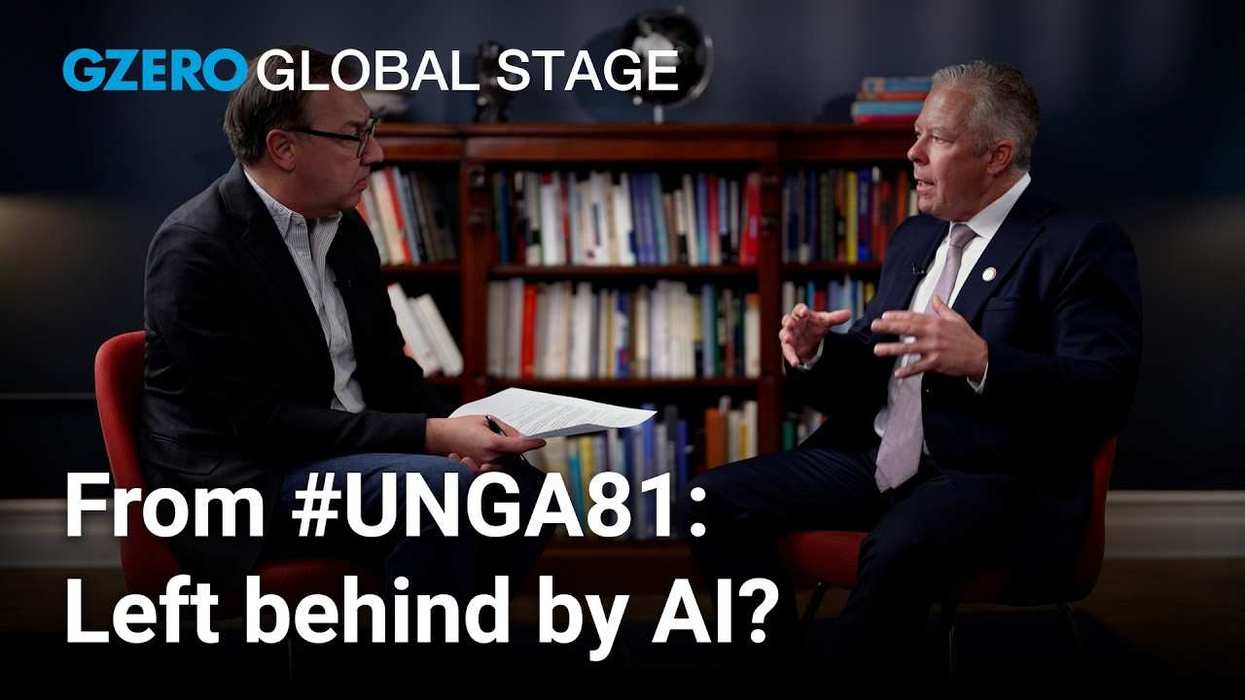
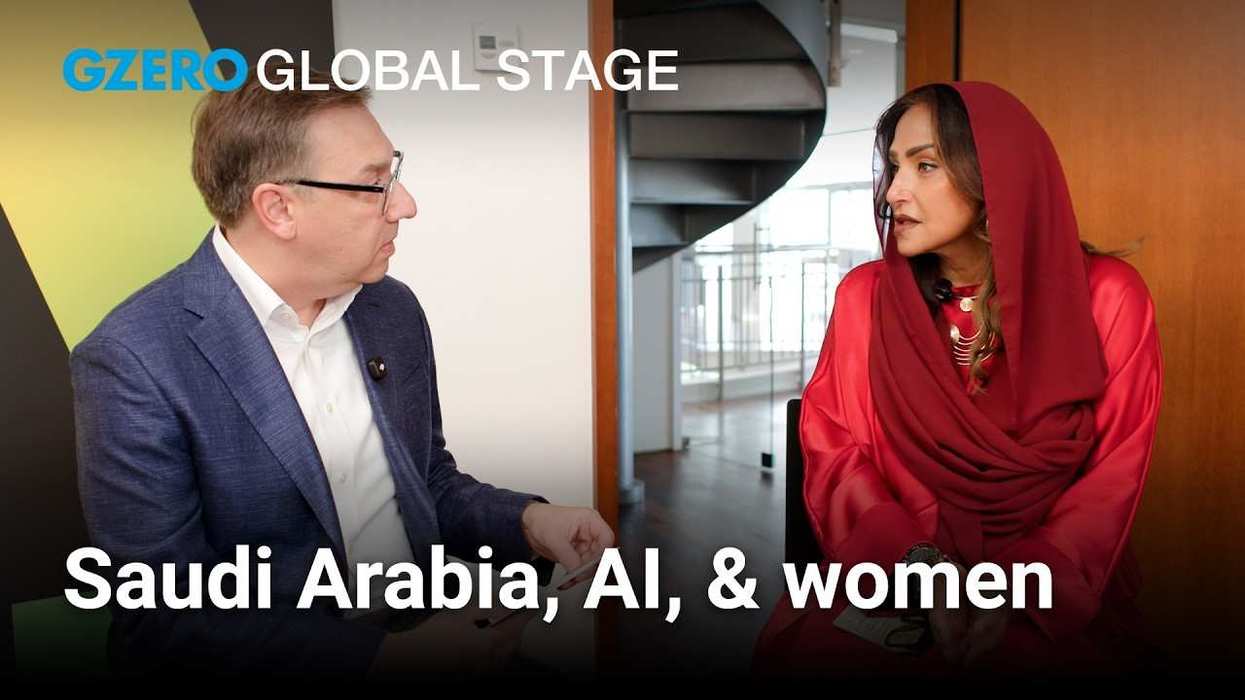
At a recent UN event focused on the wellness of aid workers, GZERO’s Tony Maciulis spoke to experts including Rajabi and Michel Saad, a deputy director at the UN’s Office for the Coordination of Humanitarian Affairs, who leads efforts in the Middle East and North Africa.
You can see portions of those interviews in the video above.