The vibes are good between the United States and Saudi Arabia right now.
Negotiations have advanced on a mutual defense pact, one that would involve military and intelligence cooperation. The two oil-producing nations agreed on scuttling a deal that would have introduced internationally-mandated emissions targets for shipping. There are discussions, even, of holding a National Football League game in Riyadh.
But how far can the two nations go together? Could Saudi Arabia go so far as to join the Abraham Accords, the US-brokered normalization of ties between Arab states and Israel?
As the ceasefire in Gaza holds – albeit tenuously – the United States is already eyeing its next Middle East mission: having Saudi Arabia join Bahrain, Morocco, and the UAE as a signatory of the Accords and normalizing ties with Israel. This would authorize business relations, tourism between the two countries, and enable official diplomatic links. Riyadh has never recognized the Jewish state, and until three years ago, it wouldn’t even let commercial Israeli planes fly over its airspace. But its ever-closer relationship with Washington, as well as its thawing ties with Israel, suggest joining the Accords may be a real possibility.
How did the US and Saudi get so close? Saudi Arabia has been a major US partner in the Middle East ever since the Kingdom was founded in 1932. The relationship has largely centered on oil, with US firms helping the Saudi government explore the fossil fuel in the 1930s. More recently, it has shifted toward defense equipment.
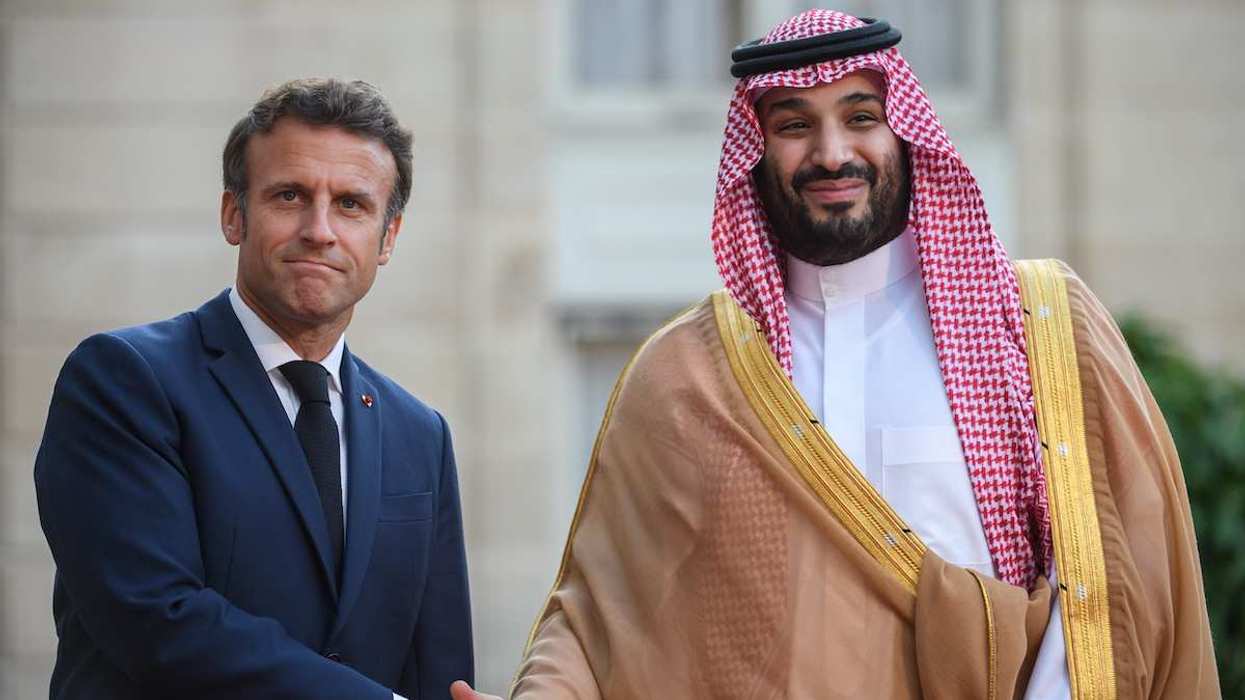
There have been some major points of tension along the way, most notably from the 1973 oil embargo, the 9/11 attacks – 15 of the 19 hijackers that day were from from Saudi – the 2015 US-brokered nuclear deal with the Kingdom’s main regional rival Iran, and, most recently, when Washington Post journalist Jamal Khashoggi was murdered in 2018 at the Saudi consulate in Istanbul. A US report later found that Saudi Crown Prince Mohammad bin Salman (MBS) greenlit the hit. During the 2020 US presidential campaign, former President Joe Biden suggested that Saudi should be a “pariah” state.
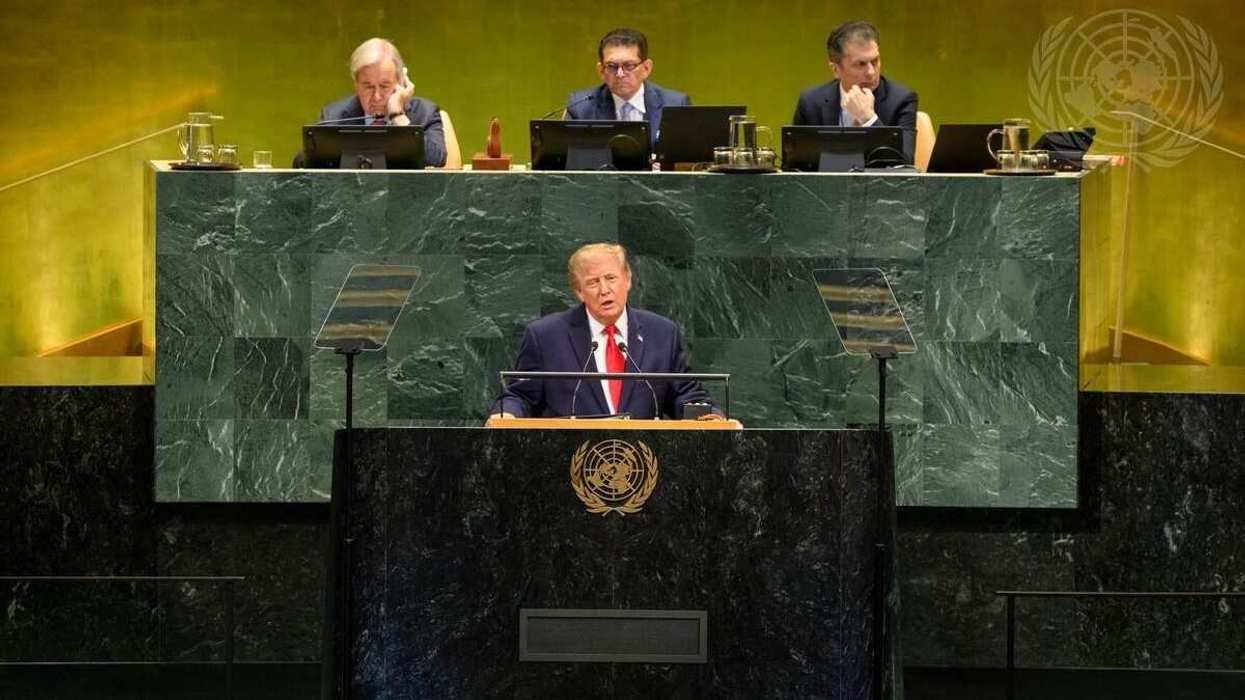
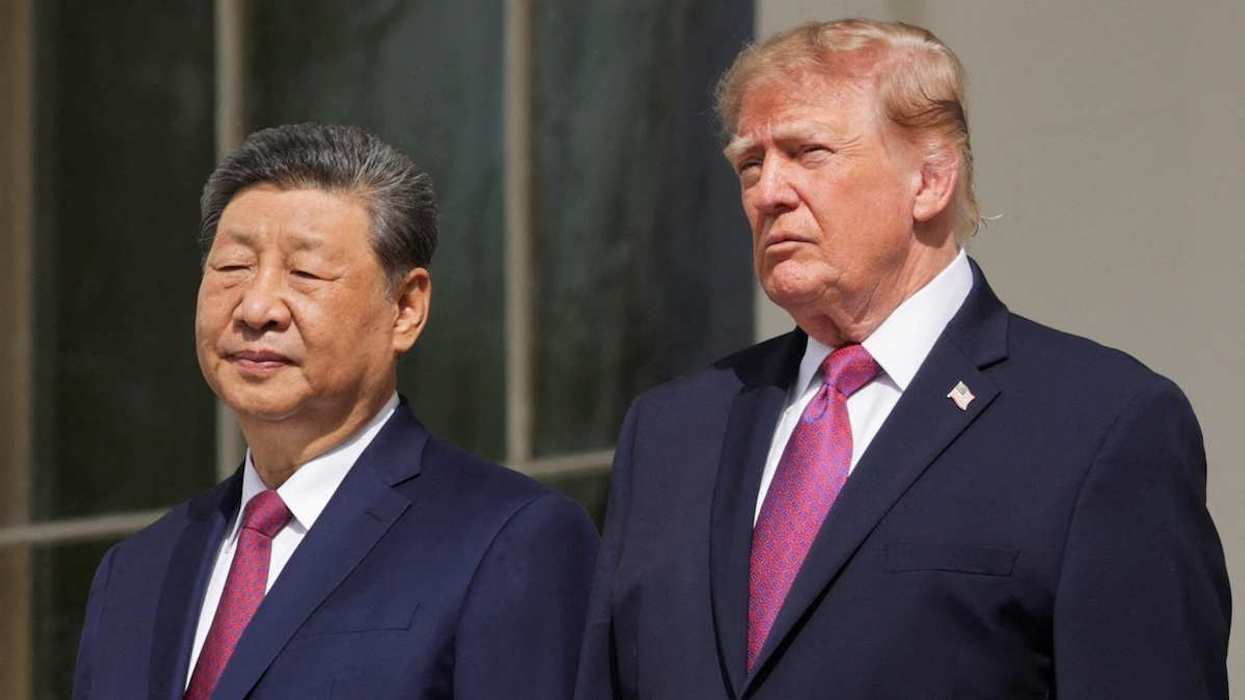
When US President Donald Trump returned to office, though, the tensions between the two countries dissipated. Just like in his first term, the US leader’s first major foreign visit of his second term was to the Gulf state, where he was greeted with a sea of opulent displays from his Saudi counterparts – rather different from Biden’s awkward fist-bump with MBS in 2022. The Crown Prince is set to pay a visit to Washington next month, too, his first since 2018.
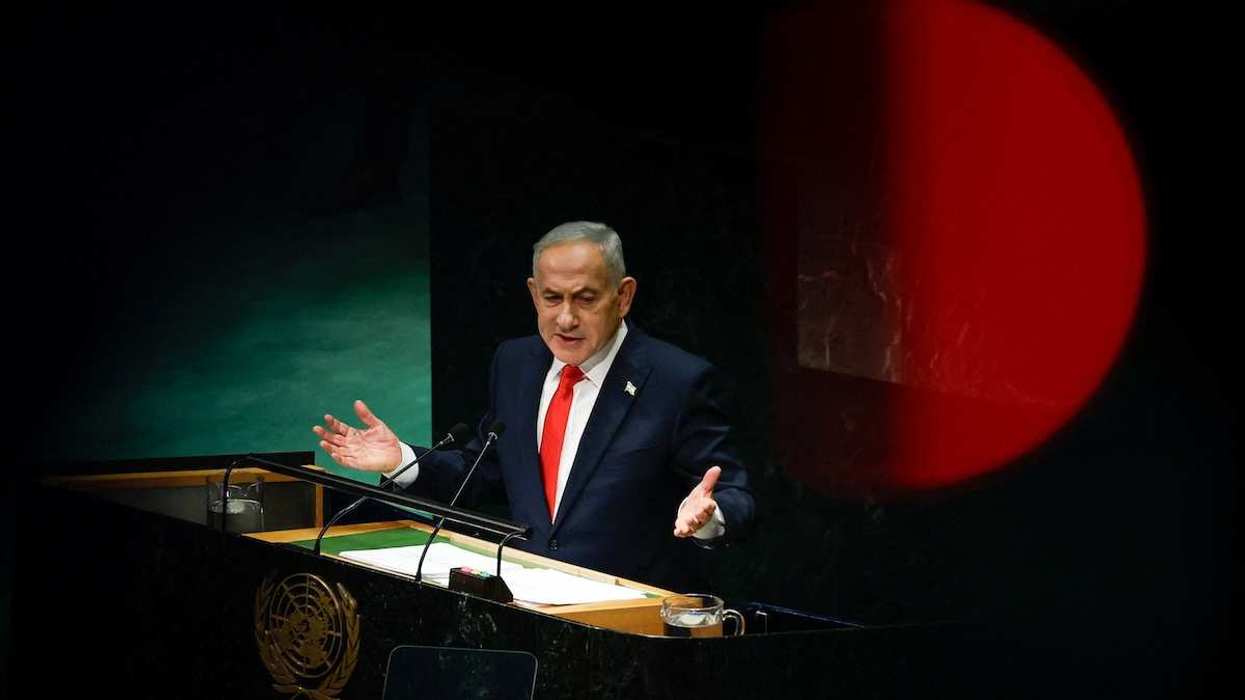
Can the US transfer this goodwill to Saudi-Israel relations? The Kingdom has long said that it won’t normalize relations with Israel until the Jewish state recognizes a Palestinian state, a move that Israeli Prime Minister Benjamin Netanyahu appears unlikely to make.
Yet there are signs that the longstanding tensions between the two countries are easing. Just before the Israel-Hamas war began more than two years ago, MBS said his country was moving “closer” each day toward a deal with Israel. Though those negotiations stalled in the wake of Israel’s response to the Hamas attacks of Oct. 7, 2023, the two sides reportedly coordinated to fend off Iranian bombs that were sent toward Israel during the 12-day Israel-Iran war in June.
“The Crown Prince has made a strategic decision to move in the direction of recognizing Israel,” Hussein Ibish, a senior resident fellow at the Arab Gulf States Initiative in Washington, told GZERO.
What’s more, the Saudis stand to benefit from normalizing ties with Israel, much as the current signatories of the Abraham Accords have. They would gain access to Israeli tech and security products, open links to Israeli investors and technology companies, and boost its tourism by opening its country up to Israeli visitors. And this isn’t to mention a preferable security agreement with the United States, which would likely be part of any peace deal with Israel.
Not so fast. There remain several risks for the Saudis in joining the Abraham Accords, per Ibish. For one thing, the Kingdom is a larger and more politically-complex state than the current signatories, making it harder to bring the various internal factions on board for a controversial deal with Israel. Further, the war in Gaza has heightened the Saudi public’s skepticism of Israel. Finally, Riyadh would risk its position as a leader of both the Arab and Muslim world if it normalized ties with the Jewish state, due to widespread opposition to such a move among the Arab public.
“You’ve got Saudi Arabia keenly protecting those interests,” said Ibish. “They would be compromised to some extent by recognition [of Israel].”
With Israel refusing to consider a two-state solution with the Palestinians, Ibish believes it’s unlikely that Saudi Arabia will normalize ties with the Jewish state. Nonetheless, Trump remains hopeful.
“I think that they’re going to all go in very soon,” the US leader told Fox News on Friday. “Wouldn’t it be nice?”