Weekend of unrest rocks France
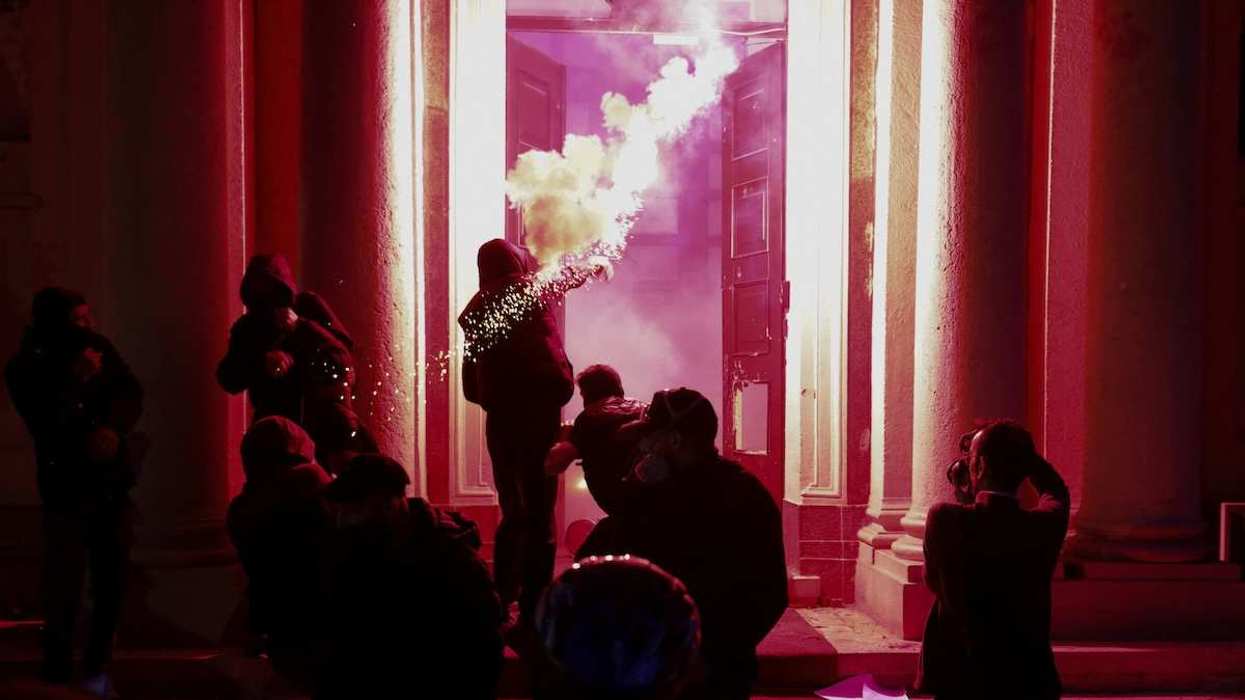
Ongoing student protests in France descended into looting and riots over the weekend as more than half a million people took to the streets across the country. The unrest briefly spread to Portugal, Belgium, and Italy as well. Although the French protests began with demands for more education funding, the latest violence appeared to be led primarily by far-left extremists and gangs from the country’s immigrant-heavy suburbs. Conservative leaders across Europe seized on the chaos to push tougher immigration policies. Hungarian Prime Minister Péter Magyar wrote, “Perhaps it is now clear to everyone why Hungary takes the toughest possible stance on migration,” while Polish Prime Minister Donald Tusk said Poland would “not pay for” other EU countries’ immigration missteps. Embattled French President Emmanuel Macron condemned the violence but didn’t outline clear steps to forestall further unrest. Anti-immigration right-winger Marine Le Pen, who leads in polls ahead of the 2027 presidential election, called him “powerless.”
Trump endorses Netanyahu in tight Israeli election race
It’s the first time a US president has openly backed a candidate in an Israeli election, but it’s unclear how much Trump’s eleventh-hour endorsement will help Prime Minister Benjamin Netanyahu, who is polling neck and neck with his main rival, former Israeli Defense Forces Chief of Staff Gadi Eisenkot. Trump remains generally popular in Israel, but recent polls show a sharp decline in the share of Israelis who believe he prioritizes their security. In addition, the two men have clashed over Netanyahu’s rejection of a Washington-brokered Gaza peace plan. Still, Netanyahu thanked Trump, calling him a “great friend.” The stakes are high for Netanyahu — although his military campaigns in Gaza, Lebanon, and Iran are broadly popular, the Israeli public wants an official probe of the security lapses on his watch that made the October 7 attacks possible. What’s more, if he falls from power, he will immediately lose immunity in his long-running corruption trial.
How much worse can US-Ukraine relations get?
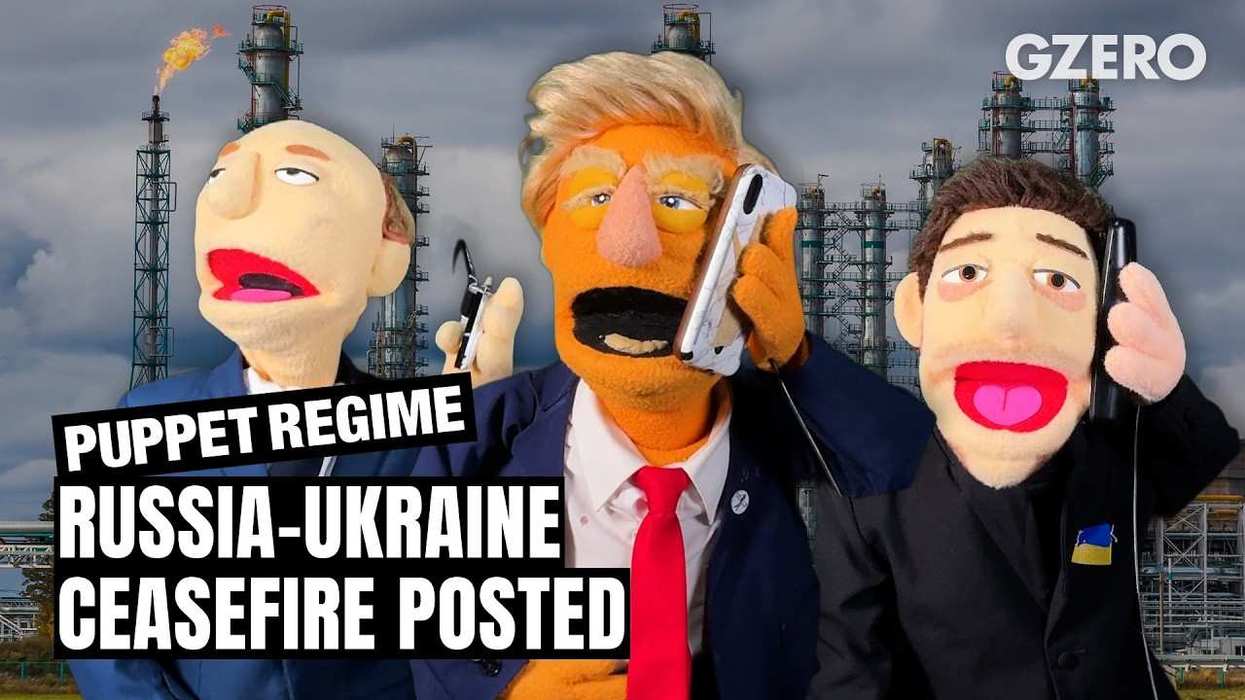
In recent days, US-Ukraine relations have reached their ugliest point since Donald Trump shouted down Volodymyr Zelensky at the White House in 2025. Trump, incensed that Ukraine continues retaliatory strikes on Russian energy infrastructure, has scrapped new US sanctions on Russia, called for regime change in Kyiv, and said he prefers negotiating with Vladimir Putin. According to Ukraine, the US even briefly stopped sharing certain intelligence, including information used to track incoming Russian airstrikes. This all puts immense pressure not only on Ukraine but also on Europe. The EU gives more support to Kyiv than the US does, but Zelensky has said that without Washington’s support, his country would quickly fall. Meanwhile, Putin has floated a Ukraine peace summit with Trump and Chinese President Xi Jinping. The proposal would be a 21st century take on the Yalta Conference, when the US, UK, and USSR divided much of the globe at the end of World War II.