News
Hard Numbers: China fines Alibaba, India’s COVID surge, East African oil pipeline, Merkel succession race
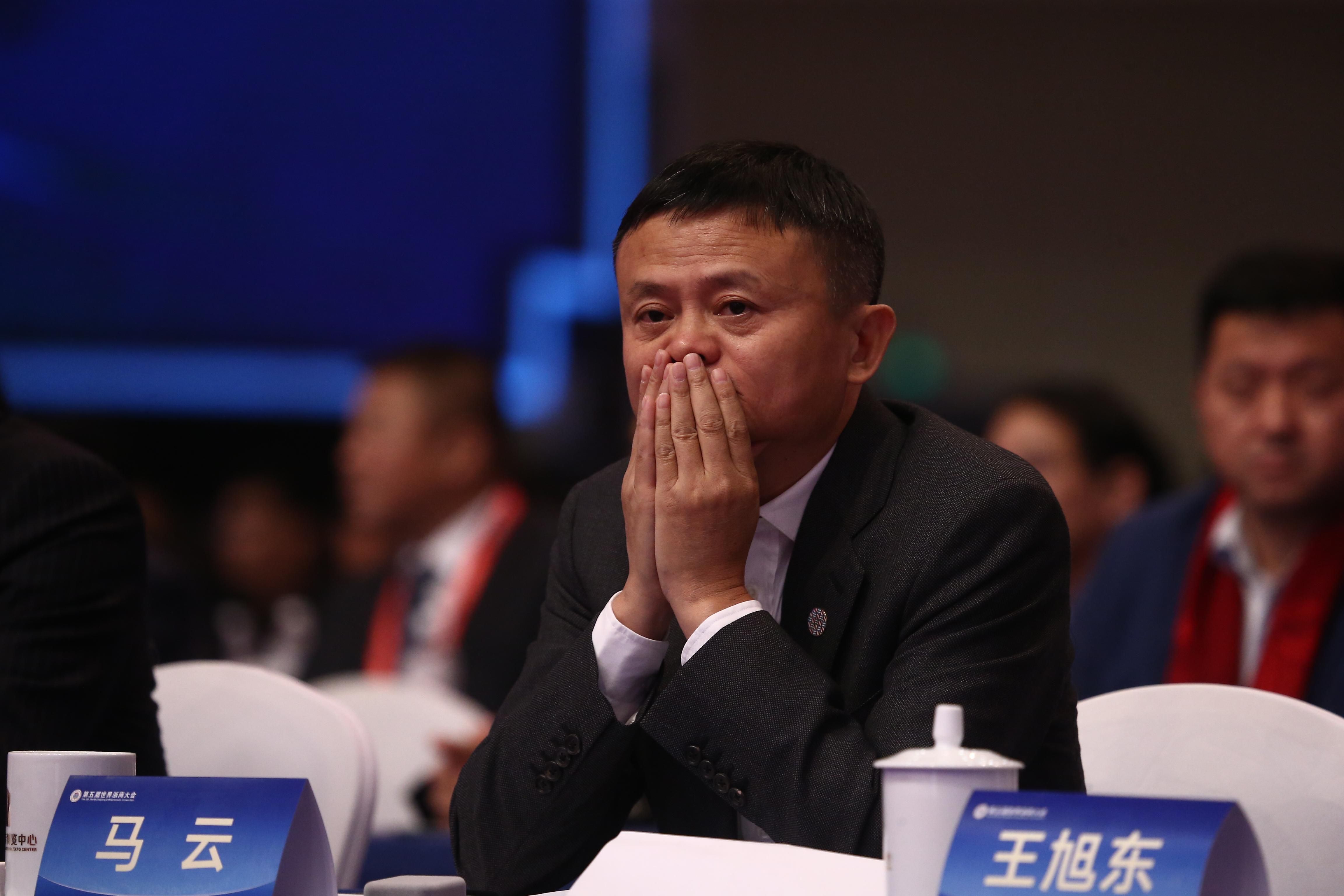
Jack Ma attends World Zhejiang Entrepreneurs Convention
Reuters
2.8 billion: Chinese regulators fined e-commerce giant Alibaba a record $2.8 billion — about four percent of its 2019 revenue — for abusing its dominant market position and forcing merchants to operate exclusively on its platform. Alibaba founder Jack Ma has fallen out with Beijing in recent months after the billionaire publicly criticized China's regulators for stifling innovation in technology.
13.5 million: India has surpassed Brazil to become the country with the second highest number of COVID infections. Only the US tops its number of 13.5 million infections. The news comes as millions of Indians gather in huge crowds to bathe in the Gangers river for Kumbh Mela, a Hindu festival that occurs every 12 years and is considered the world's largest religious gathering. Event organizers ignored pleas by health authorities to cancel the event.
1,445: Tanzania and Uganda have signed an agreement to build a 1,433-kilometer (898 mile) pipeline to transport Ugandan oil to the Indian Ocean via the Tanzanian port of Tanga. The $3.5 billion project to construct the world's longest heated oil pipeline has been decried by environmentalists, who fear it will damage fragile ecosystems near Lake Victoria and the Serengeti.
2: The current leaders of two German länder will compete to be the ruling CDU/CSU conservative coalition's candidate for chancellor in the September federal election. Bavaria and CSU chief Markus Söder is challenging Armin Laschet, governor of North Rhine-Westphalia — the country's most populous state — and recently elected president of outgoing Chancellor Angela Merkel's CDU party.Ukraine is bringing the war to Russia, reshaping the battlefield and raising new questions about whether the momentum is finally shifting away from Vladimir Putin. In this GZERO World conversation with Ian Bremmer, former Ukrainian Foreign Minister Dmytro Kuleba explains why Ukraine believes it has changed the dynamics of the conflict.
Think you know what's going on around the world? Here's your chance to prove it.
Sonam Wangchuk has long campaigned for the reform of India’s corrupt and inefficient system of entrance exams for higher education.
Israeli Prime Minister Benjamin Netanyahu attends a session at the Knesset, Israel's parliament, before it dissolves ahead of the 2026 Israeli elections, in Jerusalem, Israel, on July 16, 2026.
Israel’s parliament affirmed that the country will hold a national election on Oct. 27.