News
Hard Numbers: Wrong way on Paris Accords, Benz is “Audi” from Russia, surge of hate on “Island of Love,” radio silence in Venezuela
Annie Gugliotta & Jess Frampton
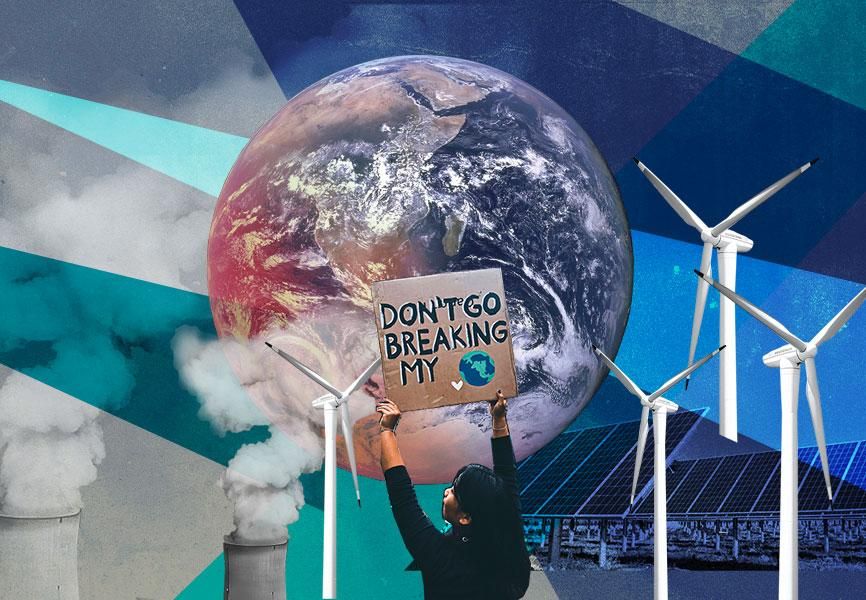
10.6: Whoops! To meet the Paris Accord climate commitments, the world still needs to reduce emissions by 43% over the next seven years. But according to the UN, we are actually on track to increase emissions by 10.6% during that period. The report comes two weeks ahead of the UN’s COP27 climate summit in Egypt.
9,558: After suspending manufacturing in the country this spring, Mercedes Benz has announced it will now withdraw from the Russian market entirely, following similar exits by Nissan and Renault. This year so far only 9,558 Benzes were sold in Russia, down three quarters from a year earlier.
32: Fighting between two tribes on the so-called “Island of Love” — Kiriwina in Papua New Guinea — has left at least 32 people dead so far this week. The clashes are thought to have started with a fight over a soccer match.
50: Venezuelan authorities have shuttered at least 50 independent radio stations this year in what critics say is an ongoing government campaign to concentrate control over media and civil society. The US has reportedly been exploring a transactional “oil for elections” détente with Caracas.
This comes to you from the Signal newsletter team of GZERO Media. Sign up today.
Could replacing Benjamin Netanyahu change Israel’s direction? Brett McGurk explains why a government led by Gadi Eisenkot would likely maintain Israel’s security doctrine while taking a different approach to the West Bank.
Think you know what's going on around the world? Here's your chance to prove it.
Canadian Prime Minister Mark Carney is in Turkey on Thursday for talks with President Recep Tayyip Erdogan - the visit is the first by a Canadian prime minister.
Temps are dropping. Approval ratings are dropping. Protests are rising. Throw on a classic Puppet Regime hoodie to get you through this season of geopolitical chaos. Visit the Puppet Regime Ministry of Merchandise here.
We also offer:
• A big, beautiful mug to take your coffee VERY STRONGLY.
• A tote bag to carry the microfilms to your next dead drop.
• Stickers to challenge existing borders.
Tariffs are complicated. Our shipping isn't. We deliver almost everywhere (sorry Iran, Russia, and North Korea). Shop now at shop.puppetregime.tv!