Sponsored posts
Prioritizing public health and addressing the economic impact of COVID-19
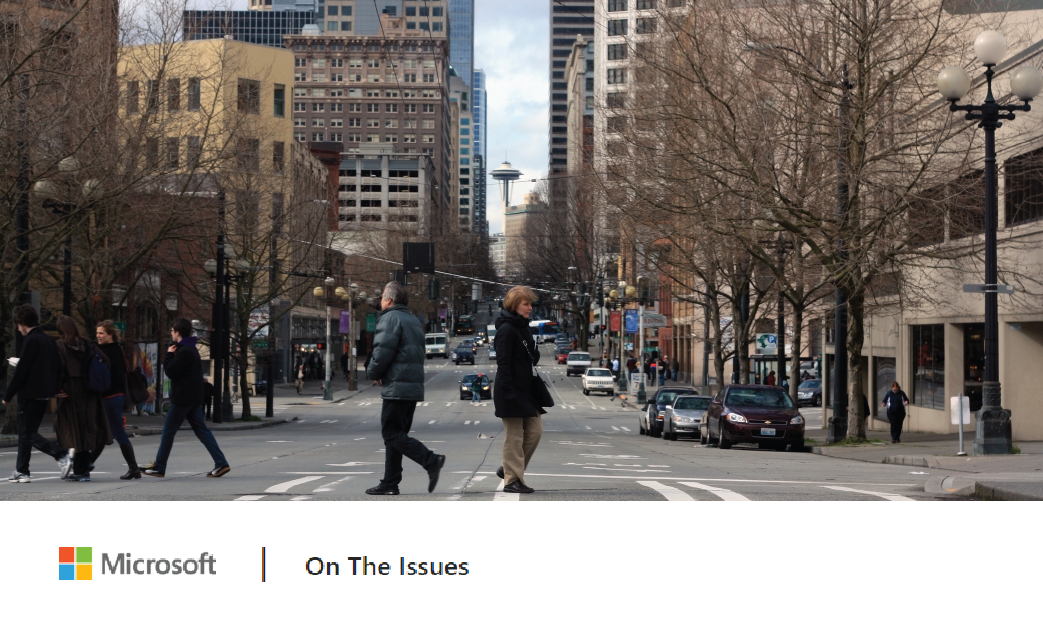
As the world grapples with COVID-19, local officials and businesses in the Puget Sound are taking necessary and unprecedented steps to protect public health, ease anxiety and prevent the spread of the virus. While these moves to stem COVID-19 are critical, they come with an economic and societal price.
Last week, it announced in the Puget Sound region that it has asked its employees who can work from home to do so. While reducing the number of people on campuses has also reduced the need for onsite support from hourly workers supporting our operations, Microsoft will continue to pay them their regular wages, whether their services are needed or not.
Additionally, Microsoft will partner with the two largest broad-based regional foundations to strengthen the community's safety net through this crisis. The Seattle Foundation, United Way of King County, Microsoft, Amazon and Starbucks, in coordination with King County and the City of Seattle, will launch a regional COVID-19 Response Fund (CRF) to address the emerging community needs of COVID-19. Microsoft is making an initial $1 million anchor donation to help launch this effort immediately.
To read more visit Microsoft On The Issues.
Ian Bremmer answers reader questions about geopolitical risks and potential conflicts, from the Middle East and the South China Sea to Ukraine and Venezuela.
Regional parliamentary elections began in the Pakistan-administered portion of Kashmir on Monday, but the first round of voting has been racked with violence.
Newly released Kimi K3 has become the center of a fierce debate in Washington and Silicon Valley over whether America’s “closed” approach is protecting its lead, or helping China catch up.
In his latest Quick Take, Ian Bremmer discusses the on-again off-again ceasefire between the United States and Iran and why it has failed to hold, arguing that both sides remain locked in a fundamental disagreement over who has the leverage.