The president of the United States is overtly meddling in Brazil’s domestic politics. It's hard for Americans to even imagine that another country would dare threaten to tank the Dow unless the Supreme Court overturned a ruling or Congress repealed a law. Democrats and Republicans alike would howl if China tried to do that. Yet that's exactly what President Trump is doing to Brazil: flexing economic muscle to dictate the internal policies of a sovereign nation (and a democratic one, to boot). So much for his promise not to lecture other countries on how to govern their affairs (he should’ve clarified: as long as their leaders earn, or buy, his personal favor).
It’s a corrupt (ab)use of executive power. The Trump administration has articulated a number of shifting and often contradictory aims to justify its tariffs: shrinking bilateral trade deficits, raising revenue, reshoring supply chains, creating manufacturing jobs, squeezing China, wringing better deals. It’s certainly the case that some of these goals make less sense than others, tariffs aren’t always the right tool for the job, policy execution has been sloppy (remember the formula?), and Trump’s negotiation skills haven’t been up to snuff. But at least most of the tariffs have been guided by Trump’s sense of the national interest. They accordingly amount to legitimate statecraft. Not so with the Brazil tariff, which the president’s letter justifies purely on political grounds. There’s no national‑interest fig leaf – just an open bid to help a political opposition leader he likes.
It's also plainly illegal. Since “Liberation Day,” the White House has invoked a bunch of statutory authorities to unilaterally levy tariffs without Congressional legislation, most notably the International Emergency Economic Powers Act (IEEPA). Usage of this law rests on the notion that the tariffs are a remedy for a “national economic emergency.” The US Supreme Court has yet to rule on the legality of IEEPA tariffs; it will probably do so in the fall, when I expect it to curb the president’s authority. But whatever the justices decide, we already know that the president doesn't have the legal authority to impose a tariff solely because he disagrees with the target’s domestic politics.
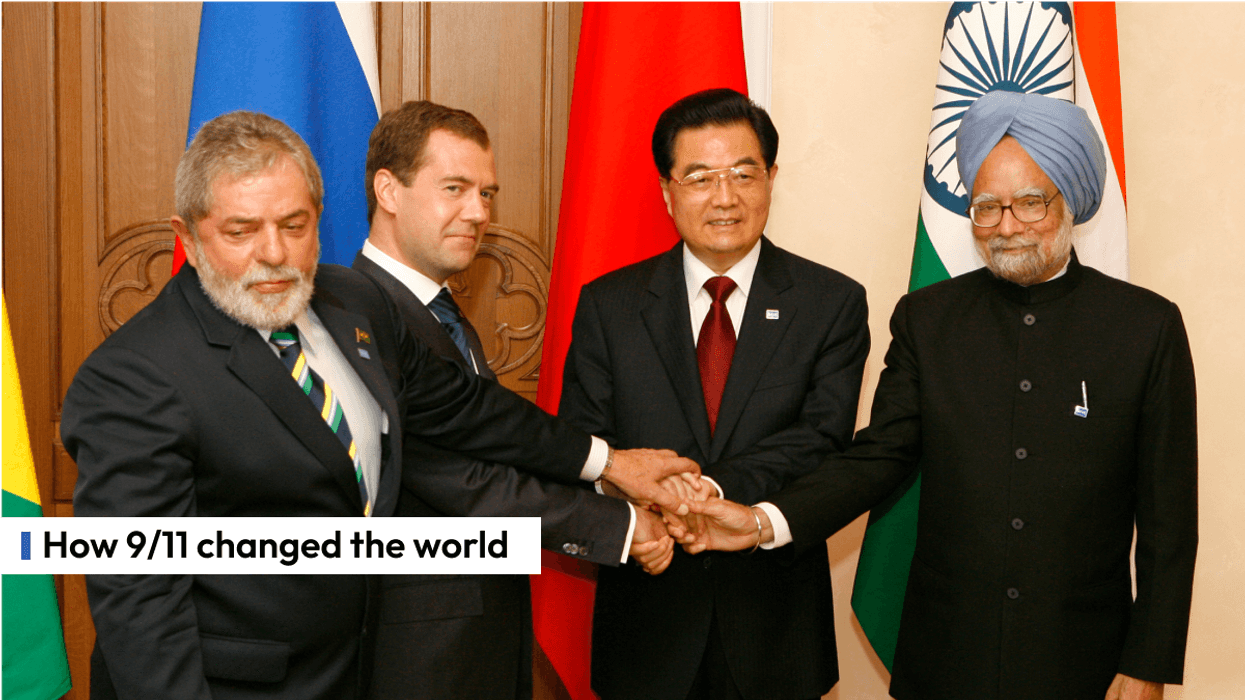
President Lula has no ability to give in to Trump’s demands. Even if he wanted to appease Trump, both Bolsonaro’s trial for plotting to assassinate Lula and overturn the 2022 election – a “witch hunt,” per Trump – and the new social media rules – seen as “censorship” in Washington – are beyond Lula’s constitutional jurisdiction. For Brasília they are non-negotiable matters of sovereignty. Nor does Lula have much trade leverage. Many US imports already face low duties; while Brazil could plausibly lower tariffs on some US goods like ethanol, deeper cuts require agreement by all four Mercosur members and their legislatures.
Even if he had the means to offer Trump the concessions he demands, Lula has no incentive to back down. On the contrary, the Brazilian president sees an electoral opportunity to lean into the tariff fight with the US at Bolsonaro's expense. Lula entered the 2026 campaign cycle as an unpopular incumbent presiding over a soft economy. Much like Trump’s “51st state” threats against Canada rallied Canadians around the flag and helped the Liberal Party’s Mark Carney stage a spectacular comeback, Trump’s threat to Brazil’s sovereignty and economy in direct support of Bolsonaro just handed Lula a flag-wrapped gift. It’s good politics for him to escalate the clash against Trump, cast himself as defender of Brazilian sovereignty, and blame his domestic nemesis for both the extremely unpopular foreign interference and any economic pain.
Don’t feel too bad for Bolsonaro. The former president has been trying to persuade Trump to more actively support him for months. Bolsonaro’s son Eduardo – a lawmaker who’s close with Trump’s sons and a top contender to succeed his father as the right-wing challenger to Lula – has been in Washington lobbying the White House for targeted financial sanctions against Supreme Court Justice Alexandre de Moraes, the lead judge in Bolsonaro’s trial (and, incidentally, a key champion of the social media regulation). Eduardo’s success in getting Trump to take up his cause is matched only by his failure to grasp the extent of Trump’s tariff obsession. Now he faces legal jeopardy at home for inviting foreign aggression, and his father’s grievance politics may finally come back to bite him. Whatever happens in 2026, the Bolsonaros have no one to blame but themselves.
The fight is set to get worse. Lula stepped up the escalatory rhetoric, refusing to accept Trump’s letter and threatening mirror tariffs. Diplomats will hunt for an off-ramp and try to buy time, but neither side is likely to blink before Aug. 1. The aggregate economic damage of 50% tariffs is manageable – Brazilian exports to the US account for less than 12% of Brazil’s total exports and about 2% of the country’s GDP, and some products (like oil) and sectors where Brazilian exporters have leverage are likely to be exempted. Trump’s letter also left the door open for individual companies to get waivers if they promise US investments. Still, the Brazilian industrial sector is highly dependent on the US export market (especially in products like steel, aerospace, cell phones, tools, and coffee), so the tariff won’t be entirely painless.
The cleanest de-escalation route runs through Bolsonaro himself: he’d need to directly ask Trump to ease or drop the tariffs, probably once the industrial lobby gets too loud and Lula’s poll numbers rise beyond comfort. That scenario is likelier than Lula caving or Trump unilaterally backing down. The White House has already ordered a Section 301 probe into various Brazilian policies that will give Trump a legally sturdier mechanism to impose sky-high duties on Brazil should courts clip his IEEPA wings.
Trump’s gambit will boomerang. The tariff will prop up his ally’s arch-enemy Lula, hurt US consumers (say goodbye to cheap cafezinho and OJ), and nudge Brazil closer to China and the EU – and away from Washington. As Trump keeps doing his darndest to deglobalize America, expect this pattern to keep repeating itself.