April 26, 2023
As if things weren’t bad enough in Sudan, there’s now growing fear of a biological catastrophe after one of two warring military factions took control of Khartoum’s National Public Laboratory.
The World Health Organization warned Wednesday of a “high risk of biological hazard” at the lab, which stores pathogens like measles and cholera and other hazardous materials.
After militants forced lab technicians to leave, WHO said the situation was “extremely dangerous,” though it wouldn’t say which group – the Sudanese army or the paramilitary Rapid Support Forces – had seized the compound.
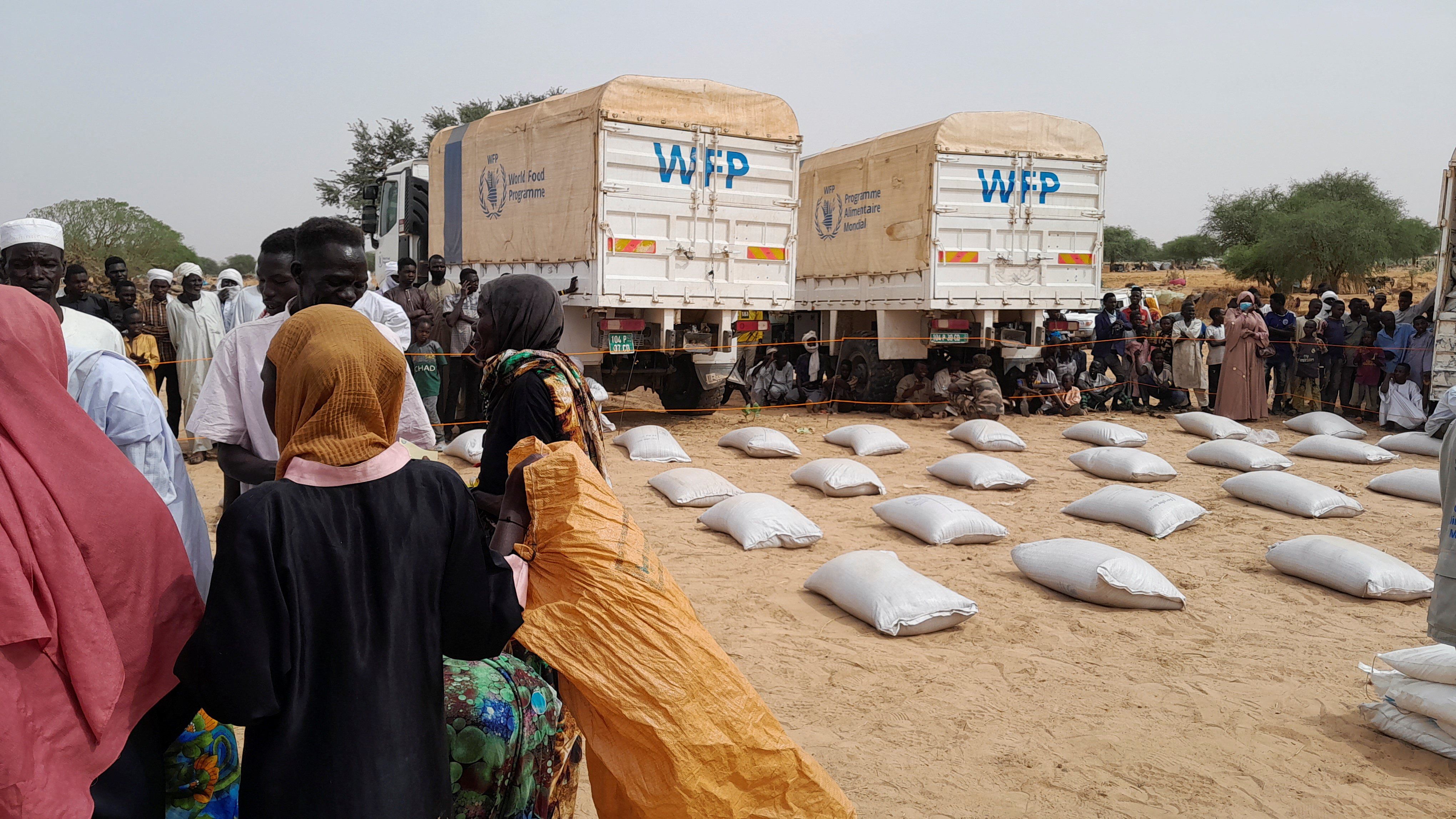
The two sides agreed this week to a 72-hour ceasefire that will expire on Thursday night. While fighting has ceased throughout much of the capital, allowing people to leave their homes and access food aid, clashes persist in some pockets of the city.
But things were already dire at NPL and throughout Khartoum’s health system since clashes erupted in the capital almost two weeks ago. At the lab, lifesaving treatments – including blood bags for transfusions – couldn’t be stored properly due to electricity outages. Meanwhile, officials say that 61% of the city’s health facilities aren’t operational due to shelling.
This development comes amid a greater sense of lawlessness in Khartoum after a number of former officials associated with longtime autocrat Omar al-Bashir escaped from prison.
The WHO says it is still conducting a thorough risk assessment, but the situation is deteriorating quickly as a tenuous truce frays.
More For You
President Donald Trump welcomes Israeli Prime Minister Benjamin Netanyahu to the White House for bilateral talks in Washington, D.C., United States, on April 7, 2025.
Andrew Leyden/NurPhoto
Netanyahu said Israel won’t pull back from Gaza until Hamas gives up its weapons—a nonstarter for Hamas, which insists it won’t disarm until Israel withdraws first.
Most Popular
Check out the latest swag from the official Puppet Regime merchandise store! Browse an array of products that will show the world you are a devoted subject of the Regime, including: A big, beautiful mug for drinking coffee very strongly, A handsome tote bag to carry your favorite classified documents, Collectible stickers, Stylish t-shirts and hoodies – now also available in pink. We ship worldwide! Shop now at shop.puppetregime.tv!
A man holds up a Venezuelan flag while taking part in a march calling for amnesty for political prisoners and to mark Youth Day, in Caracas, Venezuela, February 12, 2026.
REUTERS/Maxwell Briceno
US-backed negotiations are opening a possible path to democratic elections in Venezuela – even as the country’s most popular opposition leader remains outside the room.
Think you know what's going on around the world? Here's your chance to prove it.
© 2025 GZERO Media. All Rights Reserved | A Eurasia Group media company.