January 28, 2025
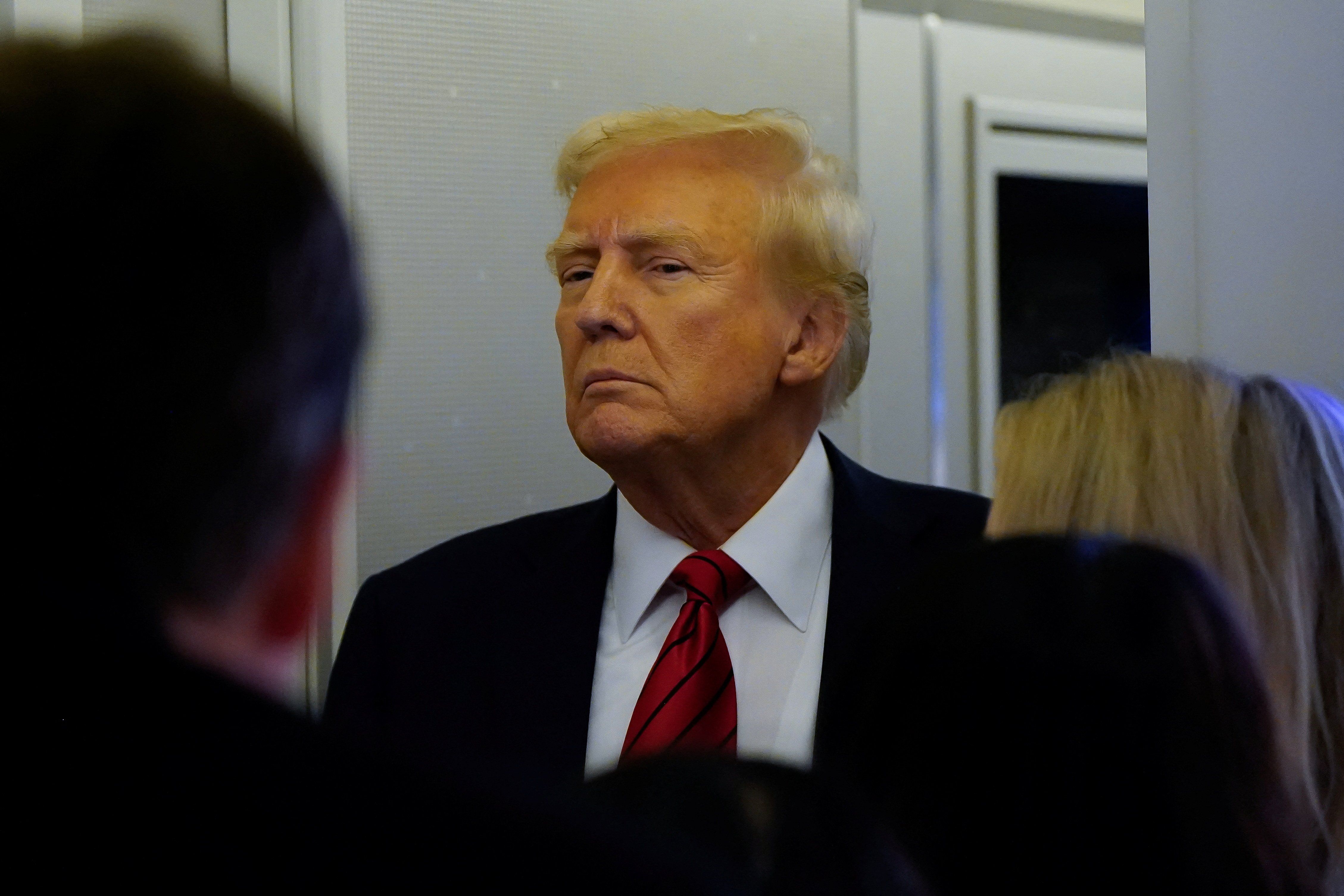
A judge in the District of Columbia on Tuesday blocked Donald Trump’s move to freeze federal funding until Feb. 3. District Judge Loren AliKhan’s decision dropped just minutes before the order was meant to take effect.
Trump’s directive, issued late Monday, applied to a vast swath of federal funding recipients – including disaster relief, education grants, and transportation funding – putting 2,600 programs under review. And while Medicaid was not supposed to be impacted, states said Tuesday that the online portals that supply Medicaid funding were down briefly in all 50 states.
Tuesday’s decision temporarily blocks the Trump administration’s order freezing federal funding and halting US foreign aid – and will hold through Monday afternoon. In the interim, the Trump administration offered approximately two million federal workers payouts to resign, warning that the majority of federal agencies will be facing downsizing.
Aid groups abroad fear that a halt to US-funded work could have dire and broad-reaching consequences – like NGOs and refugee camps losing funding. The State Department did restart the worldwide HIV program on Tuesday, citing the deadly effects of stopping the distribution of medication in low-income countries.
While critics are sounding the alarm that Trump is overstepping his presidential authority, Eurasia Group US expert Jon Lieber said we need to keep an eye on the legal process. While the president is “exercising a very muscular interpretation of executive power,” many of Trump’s executive orders will be challenged and shut down in the courts, he explained, as seen by the DC court decision. “They will be sued, and the courts will rule on what powers they have to fire civil servants, to cut spending, to upend the federal bureaucracy, etc.”
“The real test for the system will come when they are faced with a court order that curtails their agenda, and they either follow the law or continue to flout it.”
More For You
- YouTube
In his latest Quick Take, Ian Bremmer examines the collapse of US-Canada trade talks and what it reveals about President Trump’s growing political vulnerability.
Most Popular
Think you know what's going on around the world? Here's your chance to prove it.
Check out the latest swag from the official Puppet Regime merchandise store! Browse an array of products that will show the world you are a devoted subject of the Regime, including: A big, beautiful mug for drinking coffee very strongly, A handsome tote bag to carry your favorite classified documents, Collectible stickers, Stylish t-shirts and hoodies – now also available in pink. We ship worldwide! Shop now at shop.puppetregime.tv!
Zhuque-3 rocket by China’s private rocket firm LandSpace, takes off from the Jiuquan Satellite Launch Center, China, December 3, 2025
LandSpace/Handout via REUTERS
Chinese aerospace company LandSpace successfully recovered the first stage of a rocket on land for the first time on Wednesday, marking a major step toward reusable rockets.
© 2025 GZERO Media. All Rights Reserved | A Eurasia Group media company.