What We're Watching
US pressures Israel for Gaza truce, Hamas skips cease-fire talks
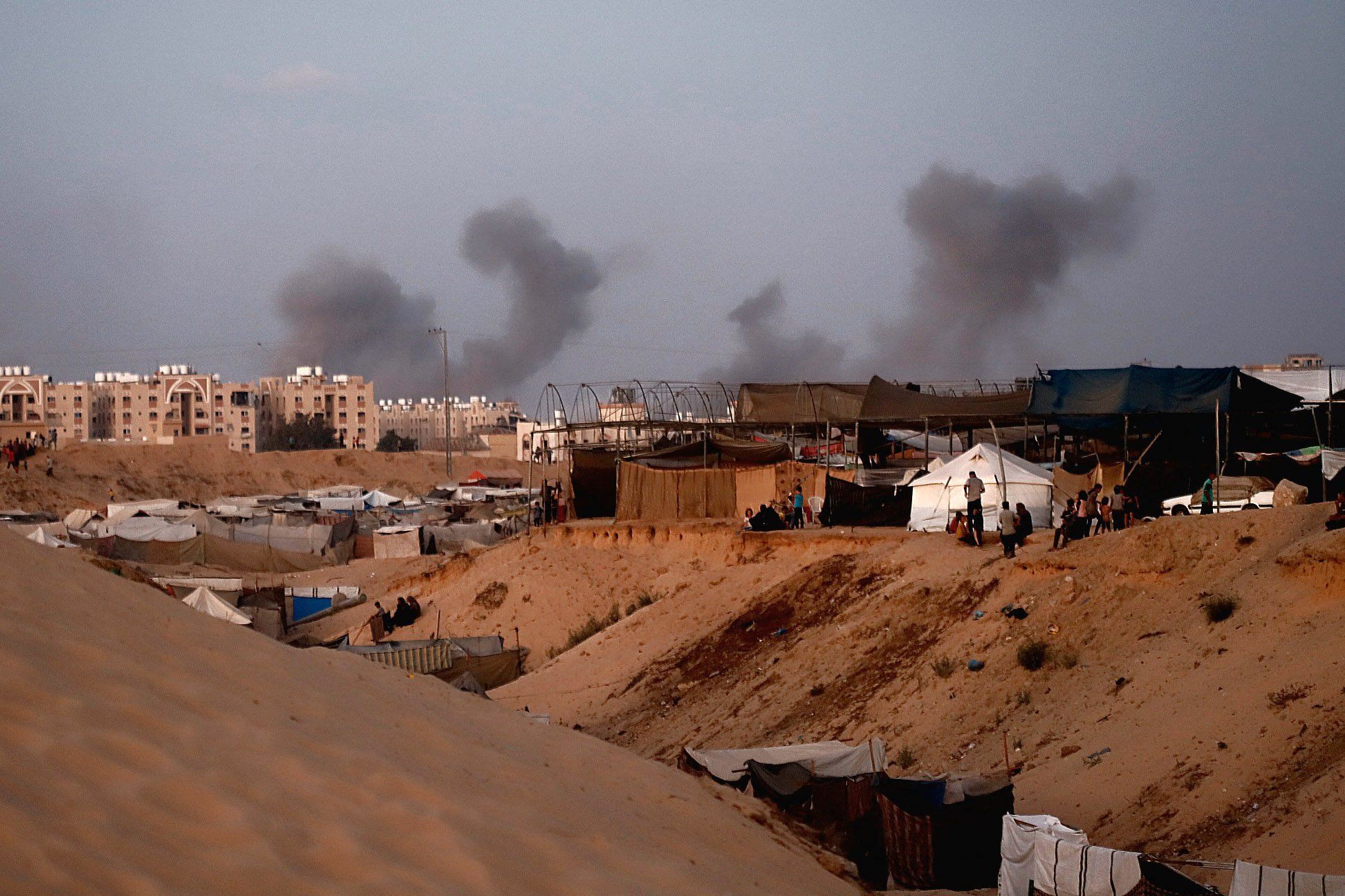
Smoke rises from the vicinity of the Hamad Towers area, west of Khan Younis, Gaza trip, August 14, 2024.
Photo by Ramez Habboub/ABACAPRESS.COM
Israeli negotiators met with mediators in Qatar on Thursday to discuss an end to the war in Gaza. The basic framework revolves around an end to hostilities, the release of Israeli hostages, and the freeing of certain Palestinian prisoners in Israel.
Hamas, however, refused to take part in the meeting, protesting several of Israel’s other proposals, including that Tel Aviv would continue to control Gaza’s border with Egypt.
With Hamas absent, the chances of the talks being successful are slim to none. This is bad news for the Biden administration, which had renewed calls for a cease-fire in hopes of delivering an agreement ahead of Iran’s anticipated retaliation for Israel’s assassination of a senior Hamas official in Tehran two weeks ago. Washington fears a severe Iranian reprisal could trigger a broader conflict in the region.
The Biden administration has been sending strong signals that it thinks it’s time for a cease-fire, with anonymous government officials telling the New York Times that Israel has reached the limits of its military campaign to destroy Hamas.
So far, it looks like little progress is likely, and Iran is still weighing its options against Israel.
Check out the latest swag from the official Puppet Regime merchandise store! Browse an array of products that will show the world you are a devoted subject of the Regime, including: A big, beautiful mug for drinking coffee very strongly, A handsome tote bag to carry your favorite classified documents, Collectible stickers, Stylish t-shirts and hoodies – now also available in pink. We ship worldwide! Shop now at shop.puppetregime.tv!
Washington and Ottawa are down to the wire with last-minute talks to reach an agreement by 12:01 a.m. Wednesday, when President Donald Trump has threatened to impose 50% tariffs on over $20 billion of Canadian goods.
On Monday, public health officials said the virus had killed 2,325 people.
As the line between the battlefield and everyday life blurs, countries are increasingly preparing civilians for the next war.