December 12, 2019
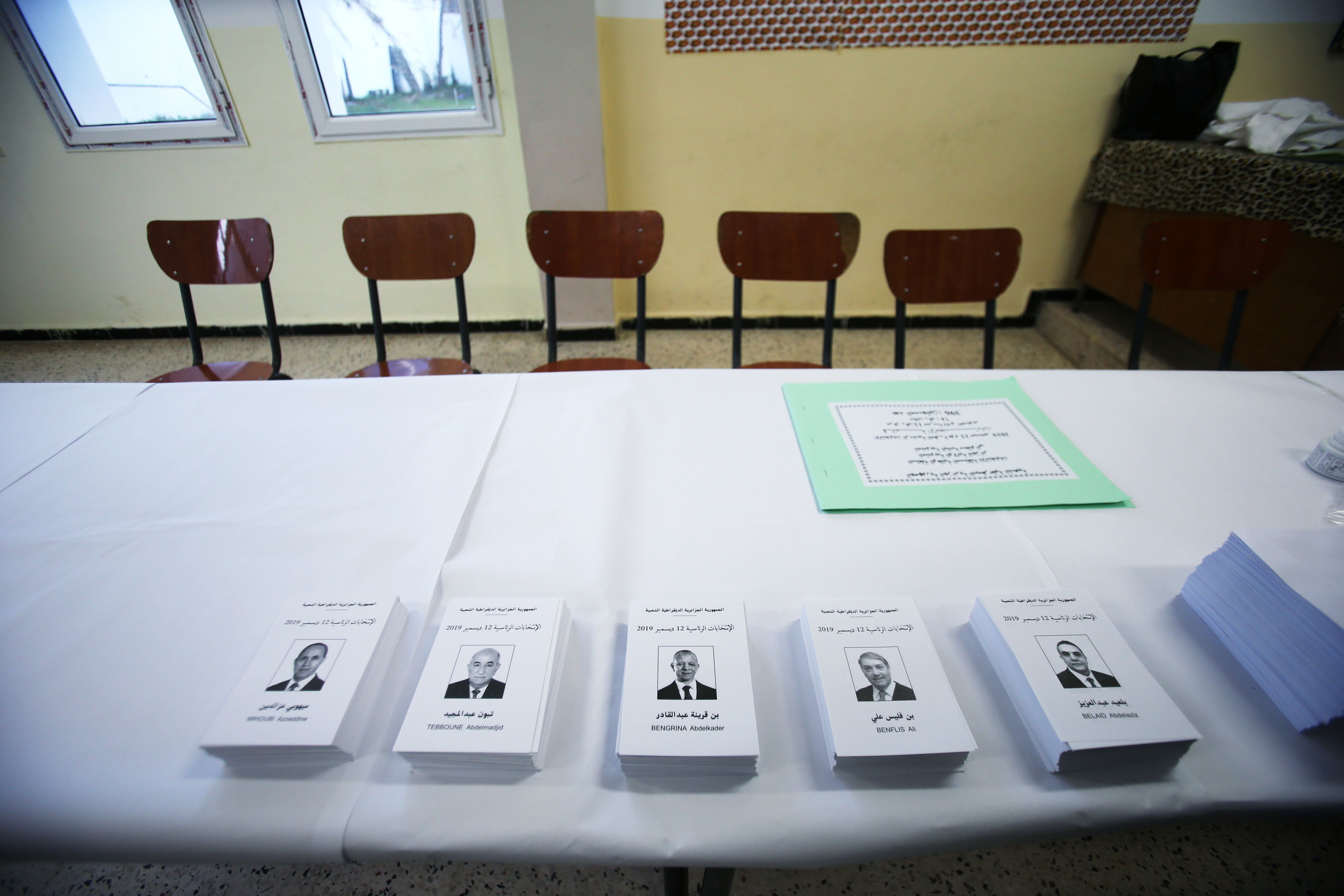
Algeria's election: Some Algerians went to the polls today to elect a new president. Others hit the streets of major cities to denounce the vote as a sham, one designed to hide the reality that nothing will change following the ouster in April of doddering former president Abdelaziz Bouteflika after two decades on the job. All five presidential candidates have promised "change" in some form, but all five have also worked for Bouteflika at some time in the past. The military, led by General Ahmed Gaid Salah, remains the true power behind the throne. Protests are likely to continue, and we'll be watching the army, which will be watching the crowds.
Trump gets a trade deal with China: After months of wrangling and rollercoaster hype, the US and China agreed today on the terms of a so-called "phase one" trade deal. The US will roll back some existing tariffs on Chinese imports and postpone any new ones, in exchange for Beijing's promise to buy more US agriculture goods. The legal text of the agreement hasn't yet been finalized, though, so there's still a possibility that either side could ditch it (which has already happened once before.) If a deal is finalized it would be a welcome reprieve from steadily growing tensions between the world's two largest economies, but it still wouldn't address the core issues on which Washington and Beijing are at odds: China's unwavering support for state companies and its ambitions to become a rival technology superpower.
What we're listening to: The New Yorker's Moscow correspondent Joshua Yaffa on The New Yorker Radio Hour, explaining how today's Russian propaganda differs from the Soviet variety in the way that it actively undermines the idea of truth itself. Yaffa's excellent new profile of Konstantin Ernst, the Kremlin's arty and sophisticated propaganda chief, is worth a read too.
More For You
We’ve put together a cheat sheet of 11 races to watch, based on the Cook Political Report’s ratings: contests that lean Republican, contests that lean Democratic, and toss-ups.
Most Popular
- YouTube
With the US no longer providing financial support for Ukraine, Europe is footing the bill. Polish Foreign Minister Radoslaw Sikorski says that gives Europe a right to be included in negotiations for how the war ends.
Daylight Saving Time ends as Americans turn clocks back, renewing debate over the seasonal time change and its origins in World War I.
- YouTube
Russia is testing NATO’s red lines with escalating drone attacks and airspace violations. Can Europe defend Ukraine and itself without help from the US? Polish Foreign Minister Radoslaw Sikorski joins Ian Bremmer on GZERO World.
© 2025 GZERO Media. All Rights Reserved | A Eurasia Group media company.