GZERO World with Ian Bremmer
CRISPR gene editing and the human race
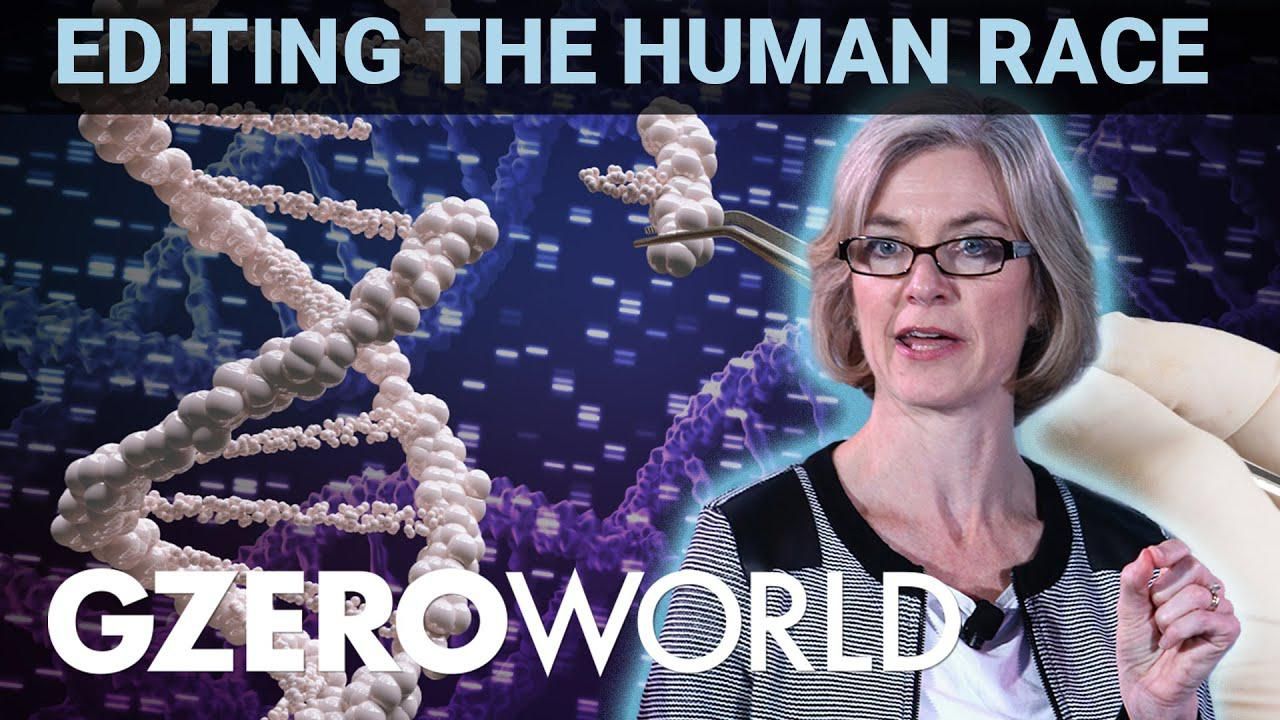
CRISPR Gene Editing and the Human Race | Scientist Jennifer Doudna | GZERO World with Ian Bremmer
Berkeley scientist Jennifer Doudna won the 2020 Nobel Prize for her work on the revolutionary gene-editing technology known as CRISPR. It has the potential to cure genetic diseases like sickle cell anemia and hereditary blindness and may even be used to treat cancer and HIV. But when it comes to editing humanity, where do we draw the line? How do we avoid falling into the same kind of dystopian nightmare outlined in Blade Runner? Doudna discussed the risks and benefits of CRISPR in an interview with Ian Bremmer on GZERO World. Also in this episode: a look at cloning our pets (speaking of going too far…).
China has defied Western sanctions for years and buys as much as 90% of Iran’s oil exports.
Think you know what's going on around the world? Here's your chance to prove it.
President Bola Tinubu faces strong headwinds in his bid for a second term.
Critics have said that Zelensky – now in his seventh year in office – has been in power for too long.