Global Stage Interviews
Foreign Minister Linas Linkevičius on Lithuania, Belarus, NATO & Trump
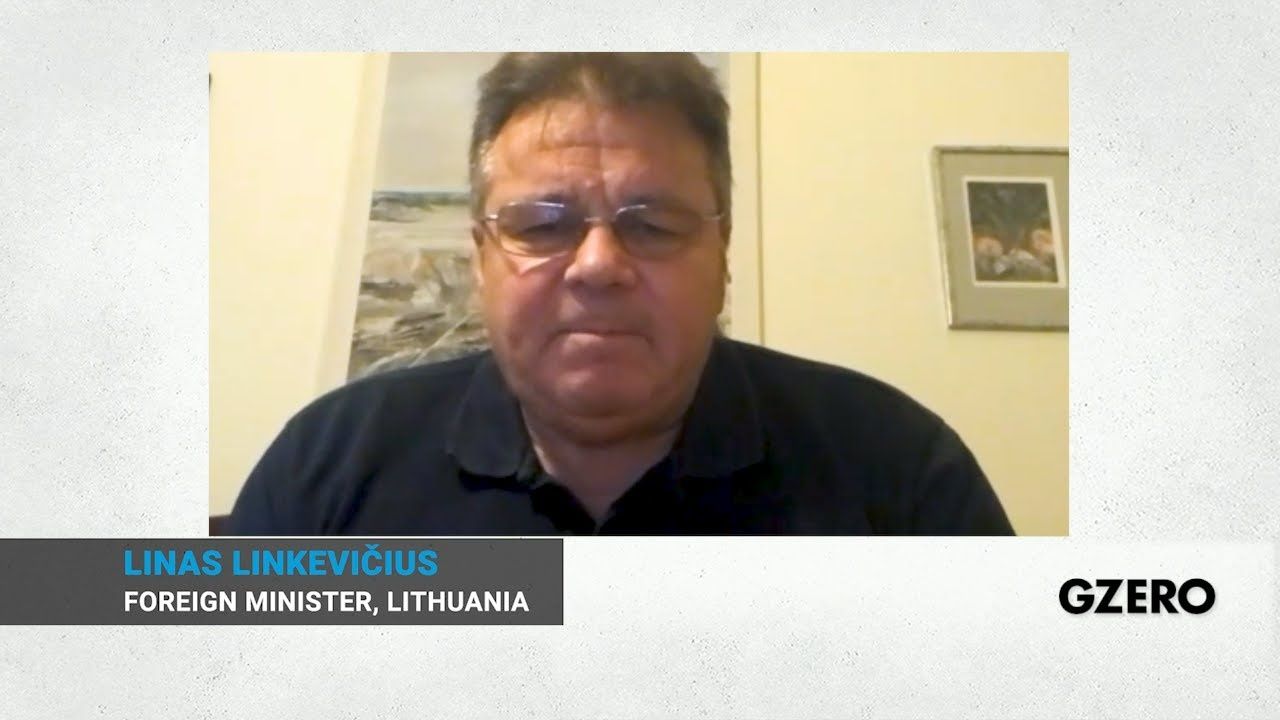
Foreign Minister Linas Linkevičius on Lithuania, Belarus, NATO & Trump | GZERO Media Special Report
Protests and violence continue to escalate in Belarus as pro-democracy demonstrators demand the resignation of President Alexander Lukashenko, whose landslide reelection in August is widely viewed as illegitimate. GZERO Media spoke to Foreign Minister Linas Linkevičius of neighboring Lithuania, a nation that has become a staunch ally of the opposition movement in Belarus and is providing refuge to Lukashenko's main challenger Svetlana Tikhanovskaya.
In a conversation with GZERO's Tony Maciulis, Linkevičius offered support for the protesters, saying, "They're still in the streets, still protesting, although they are really intimidated, beaten, raped, tortured, put into the custody. They're still so courageous and trying to fight for their right to choose, basically, and asking just to have normal elections and to elect their leadership."
Of Tikhanovskaya, Linkevičius explained the reasons why his nation offered the opposition leader a safe haven and what life has been like for her since fleeing Belarus, which he describes as "a difficult situation."
Linkevičius also called on the international community to take the ongoing unrest in Belarus seriously and to become more actively involved. "Sanctions is the least we can do," he said. "We also should support civil society, free media, those victims of repressions, to find funds to support them." Multilateral organizations "should do more," he said, "But, as usual, sometimes we are not capable to react on time and that's a pity."
Later in the conversation, Linkevičius discussed COVID-19 response in his nation and across Europe as the number of new cases continues to climb. The Foreign Minister also offered well wishes to President Trump who is in treatment for COVID-19 infection, and said Trump's diagnosis was a reminder of how serious and global the virus is.
In reflecting on the years of US diplomacy since President Trump took office, Linkevičius said it is "not the best time for multilateralism," climate action or free trade, but he praised the current US administration for "visible and tangible participation in the security of our region."
In his latest Quick Take, Ian Bremmer examines the stability of US-China relations and why he believes the period of relative calm between the two countries may be coming to an end.
Prime Minister Anutin Charnvirakul quickly responded by vowing tougher gun-control legislation and a renewed crackdown on illegal weapons.
Check out the latest swag from the official Puppet Regime merchandise store! Browse an array of products that will show the world you are a devoted subject of the Regime, including: A big, beautiful mug for drinking coffee very strongly, A handsome tote bag to carry your favorite classified documents, Collectible stickers, Stylish t-shirts and hoodies – now also available in pink. We ship worldwide! Shop now at shop.puppetregime.tv!
US-backed negotiations are opening a possible path to democratic elections in Venezuela – even as the country’s most popular opposition leader remains outside the room.