News
Hard Numbers: EU caps gas price, Canada wants immigrants, Iran enriches uranium, Serbs snub Kosovo plates
Paige Fusco
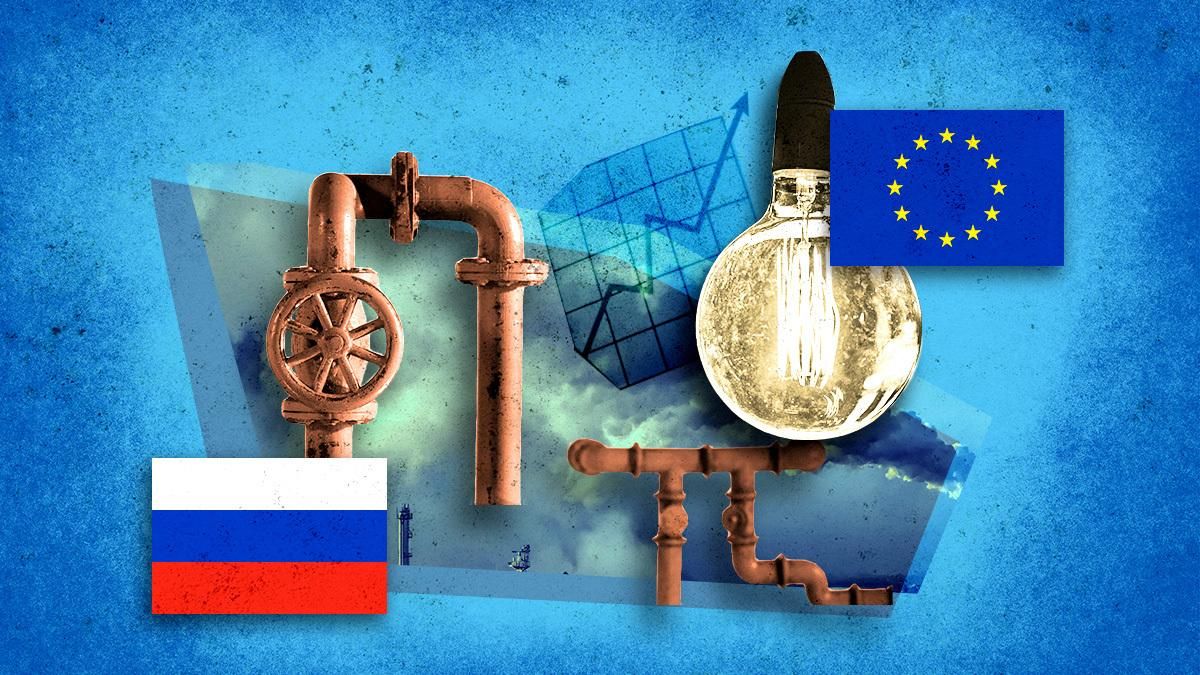
275: The EU unveiled its first-ever cap on natural gas prices to curb rising costs due in part to Russia's war in Ukraine. But it'll only kick in if the benchmark price of Dutch futures reaches 275 euros ($282.4) per megawatt-hour for two weeks or is 58 euros higher than the gas market reference for 10 consecutive trading days.
500,000: Canada plans to welcome half a million new legal immigrants annually until 2025 to fill a labor shortage left by retiring Baby Boomers. That's four times as many green cards as its more populous southern neighbor, the United States, issues per year.
60: Iran has started enriching uranium to 60% purity at a second atomic facility in response to a "resolution" by the UN nuclear watchdog, whose inspectors are still barred from nuclear sites. That puts Tehran just a technical step away from getting the bomb amid dim hopes of resurrecting the 2015 Iran nuclear deal.
50,000: The EU and Serbia warn things might get ugly in Kosovo after local authorities began doling out fines to ethnic Serbs driving cars with Serbian license plates instead of those issued by Pristina. Some 50,000 Serbs still living there after the 1999 war reject Kosovo’s independence and only recognize Serb institutions.
This comes to you from the Signal newsletter team of GZERO Media. Sign up today.
A 7.4 magnitude earthquake struck Colombia yesterday – at least 160 people have died, though officials expect the toll to rise as rescue efforts continue.
Roughly 11% of American adults now say they are taking GLP-1s for weight loss, up from just 3% in 2024.
Visit Microsoft On the Issues to learn how Microsoft is thinking about the future of sustainability, accessibility, cybersecurity, AI, and more. Check back regularly to watch videos and read blogs and features on how Microsoft is approaching the issues that matter most. For the latest, follow Microsoft On the Issues.
What does the world look like when power goes unchecked? And who ultimately pays the price? David Miliband and Ian Bremmer discuss the biggest takeaways from the latest edition of the Atlas of Impunity and why the abuse of power can take many forms: from governments to corporations to environmental destruction.