News
Hard Numbers: Grain deal extension, Italy’s “apocalyptic” floods, global warming threshold, books bans in Florida, Everest record
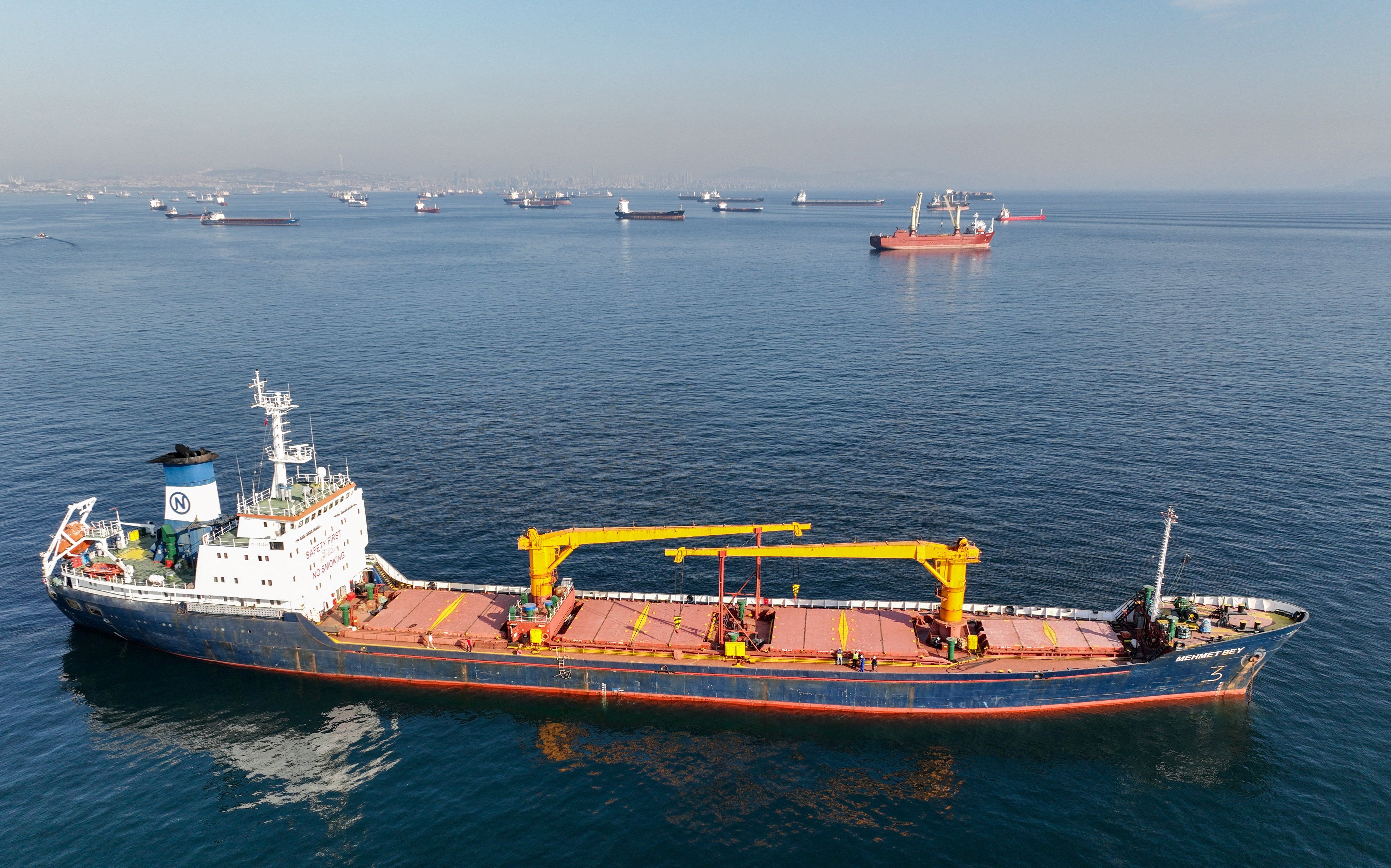
A cargo ship waits to pass the Bosphorus strait near Istanbul, Turkey.
REUTERS/Umit Bektas
60: Russia has agreed to extend the grain deal that allows Ukrainian food shipments to travel safely in the Black Sea by 60 days. Still, Kyiv says that Moscow has been holding up joint inspection of ships, leaving Ukrainian vessels stocked with grain stranded for weeks on end.
66: Scientists say there is a 66% chance that temperatures will exceed the 1.5 degrees Celsius global warming threshold by 2027 if current trends continue and will have calamitous consequences. Passing that point would mean the world is 1.5 degrees warmer than during the second half of the 1800s before fossil fuel use really ramped up.
9: At least nine people died and more than 10,000 were forced to evacuate after unusually heavy rain pummeled northern Italy on Wednesday. Scientists say increasing incidents of floods and landslides in the northern region of Emilia-Romagna have been exacerbated by climate change. Similar “apocalyptic” floods hit Serbia, Bosnia, and Slovenia this week.
10: Penguin Random House, along with parents and free speech advocates, filed a lawsuit Wednesday against a Florida school district for removing or restricting access to 10 books from the curriculum that pertain to race and LGBTQ issues. Book bans have become the latest frontier of the deepening culture wars that will only get more intense in the lead-up to the 2024 election.
27: A Nepali sherpa has scaled Mount Everest for the 27th time, beating … himself, having previously set the record for climbs on the mountain. Kami Rita Sherpa first hiked Everest in 1994 and has done so in most of the years since.
Ian Bremmer answers questions straight from you, GZERO readers, on whatever has been on your mind.
What, exactly, is the Trump administration thinking? A well-worn question finds fresh fodder this week as the White House prepares to impose a sweeping new set of tariffs on Brazil. Again.
“There will never be elections here again,” Nicaraguan President Daniel Ortega proclaimed on Sunday.
In this “ask ian,” Ian Bremmer argues that the debate over whether the United States or China will lead artificial intelligence is overshadowing a more important question: who will govern a technology advancing faster than governments can regulate?