Ten months into the second administration of US President Donald Trump, the most pressing foreign policy puzzle is not about the Middle East, the war in Ukraine or even relations with China. The question top of mind right now is what is going on in the Western Hemisphere, and does it reveal an emerging Trump Doctrine?
It is fair to say that Trump’s 2025 engagement with its regional neighbors was not on the market’s radar when he assumed office in January. There were, however, indicators of what was to come. In December 2024, Trump cast a spotlight on Panama, pledging to retake control over the canal to prevent the US from continuing to be “ripped off.” Trump also spoke early on about targeting regional trading partners Canada and Mexico with tariffs. In the case of Canada, these threats and musings about the possibility of a “51st state” contributed to then-Prime Minister Justin Trudeau’s resignation in January.
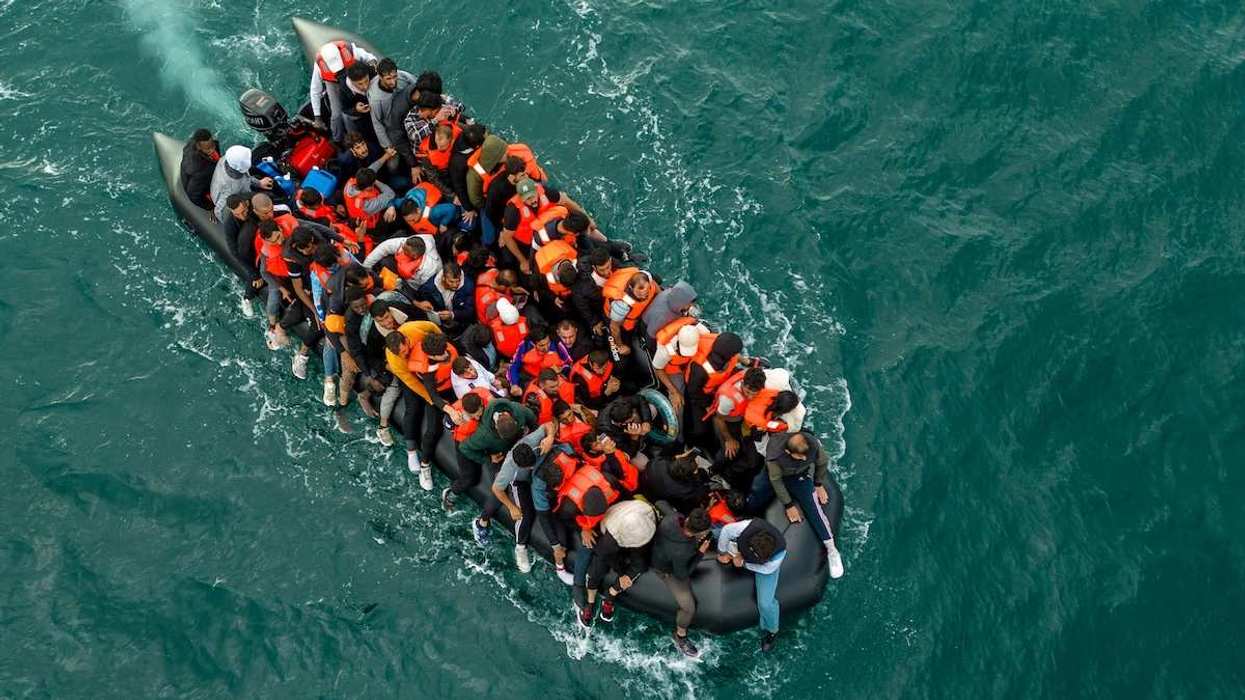
Trump’s longstanding commitment to curbing regional migrant flows and “executing the immigration laws” of the US offered another clue of what lay ahead. From the travel ban issued in the first week of Trump 1.0 in 2017, to appropriations for the southern border wall to dispatching US Immigration and Customs Enforcement agents on the streets in 2025, Trump and his team care deeply about enforcement, who is allowed to enter the country, and who is permitted to stay in the country.
The administration’s Day 1 executive order on foreign policy built on these indicators and set forth a vision for Trump 2.0: “From this day forward, the foreign policy of the United States shall champion core American interests and always put America and American citizens first.” The “America First” isolationism of Trump’s first term was replaced with an activist, no-stone-left-uncovered approach.
A neighborhood unsettled
Despite transparency about its foreign policy ambitions, the way in which the current US administration has gone about pursuing its policy objectives in the Western Hemisphere – designating drug cartels as terrorist organizations, striking alleged narcotraffickers operating in the Caribbean and eastern Pacific, moving an advanced aircraft carrier into waters off of Venezuela, reopening a military base in Puerto Rico, among other measures - has surprised many and rankled regional leaders and US allies.
In recent days, Colombia announced it would suspend intelligence sharing with the US after months of tension with the Trump administration. Colombia is not alone. Close allies in the United Kingdom and the Netherlands have also halted intelligence sharing over the Trump administration’s tactics in the region and human rights concerns.
Drawing on doctrinal ghosts
To make sense of these regional developments and their fallout, analysts and watchers have called upon the Monroe Doctrine. Some have gone so far as to label the administration’s foreign policy approach the “Donroe Doctrine.”
Although pithy and appealing, the 1823 Monroe Doctrine was primarily a response to external (European) interference in Western Hemisphere affairs. Pursuant to the doctrine, the American continents would not be open to future colonization, and the US would consider any violation of this tenet to be “dangerous to our peace and safety.” It is from the Monroe Doctrine that the concept of “spheres of influence” was derived. Europe would be for Europe. Existing European colonies were also for Europe. Everything else in the Western Hemisphere was for itself, with the caveat of a “connected” and invested US standing readily by.
It would be naïve to disregard all analogies to the current landscape. The Trump administration is aware of the deep trade, economic, and security relations between countries in the region and China and Russia. In 2025, China is now South America’s top trading partner and a major regional investor. The US administration’s forthcoming National Security Strategy and National Defense Strategy will both reportedly highlight the need for greater attention to the region in light of these global dynamics.
Even still, there are limits to the dispositive power of the Monroe Doctrine. The recent US overtures in the Western Hemisphere are not principally animated by the threat of external interference. Rather than the original Doctrine, the Trump administration’s strategy in the region better recalls its 1904 Roosevelt Corollary set forth by then-President Theodore Roosevelt. According to the Roosevelt Corollary, in the event of “chronic wrongdoing” or “impotence” in the Western Hemisphere it was the US’s responsibility to serve as an “international police power” for the region. The Roosevelt Corollary empowered American vast interventionism based on conditions within the Western Hemisphere itself, regardless of any external threat.
The Trump Doctrine
In a similar manner, the second Trump administration is also directing a message to the region. The US will not tolerate hostile neighbors, unfettered narcotics, and unregulated migration flows. And over the long term, the US intends to achieve better access to regional markets and natural resources like rare critical minerals to support US domestic markets and its economic agenda. To these ends, there will be force – “police power” - (war exercises, military buildups, targeted strikes), but the administration will also leverage all the tools in its portfolio from economic (tariffs, bailouts, aid suspensions and sanctions) to political (visa restrictions, renaming water bodies). Posting last week on social media, Secretary of War Pete Hegseth explained: “The Western Hemisphere is America’s neighborhood and we will protect it.”
This is the developing Trump Doctrine: use all available means at any time to champion core American interests, and always put America and American citizens first. As defined, in each case, by the administration. But unlike Roosevelt, who aspired to “walk softly and carry a big stick,” the Trump administration has heavy footsteps and will be pulling many levers.