Every January, Eurasia Group, GZERO’s parent company, unveils a forecast of the top 10 geopolitical risks for the world in the year ahead, authored by EG President Ian Bremmer and EG Chairman Cliff Kupchan. The 2026 report drops on Monday, January 5.
Before looking forward, though, it’s worth looking back. Here’s how the 2025 Top Risks report stacked up – where it hit the mark and where it missed. You can read the full report here.
1. The G-Zero Wins
The Argument: The G-Zero problem, a dangerous lack of international leadership, will get a lot worse in 2025. Bremmer and Kupchan told us to expect new and expanding power vacuums, emboldened rogue actors, and a heightened risk of dangerous accidents, miscalculations, and conflict as a result of a deepening geopolitical recession.
The Verdict: This was an easy call 12 months ago, and US President Donald Trump’s determination to challenge so many multilateral institutions, US rivals, and even allies intensified disruption in the international system. Yet the risk was tempered mainly by the unwillingness of so many conflict-averse governments to push back. It will be especially interesting to see if the upcoming 2026 report thinks this risk avoidance will continue as Trump’s domestic standing faces new pressures.
2. Rule of Don
The Argument: Emboldened by the scale of his 2024 election victory and the support of a unified Republican Party, the 2025 report forecast that Trump would purge the federal bureaucracy of professional civil servants and replace them with political loyalists, challenge independent checks on executive power, and undermine the rule of law. Bremmer and Kupchan did not claim these moves would threaten the survival of American democracy, but warned they would set dangerous new precedents in “political vandalism” for future presidents of both parties.
The Verdict: The report’s authors were right to claim that Trump’s push to expand his power at the expense of US institutions and norms would not threaten democracy itself. But the push itself was undeniable in 2025 — and 2026 is an election year.
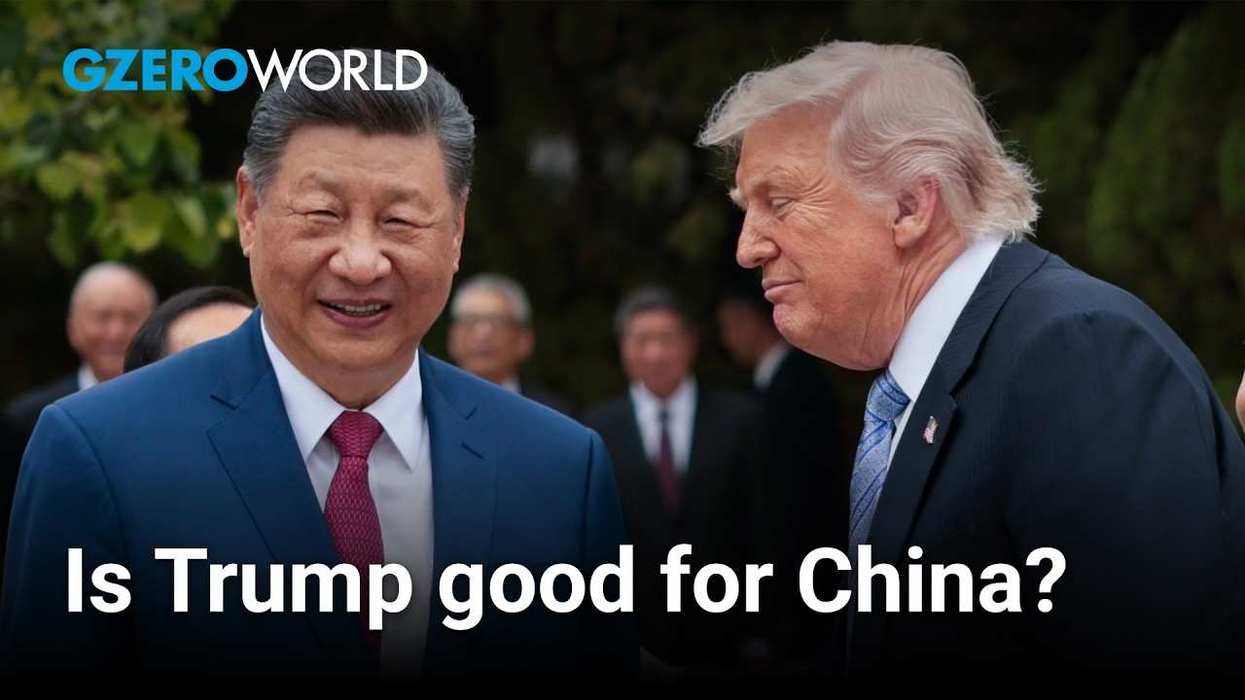
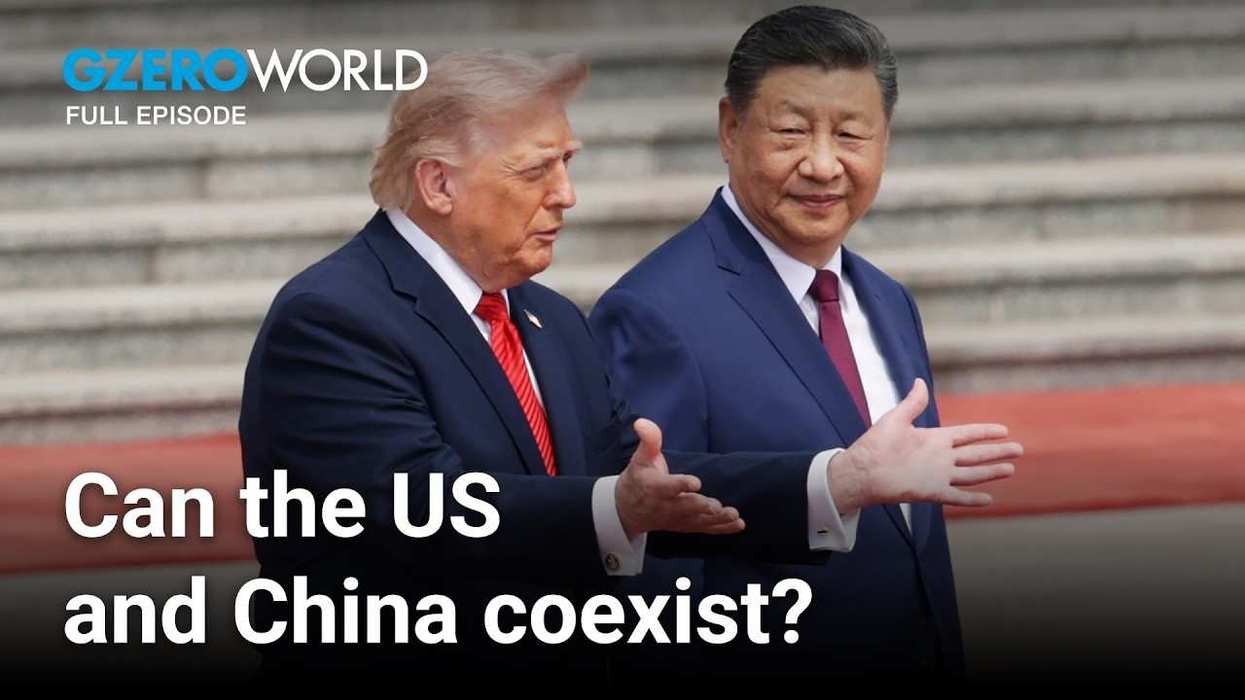
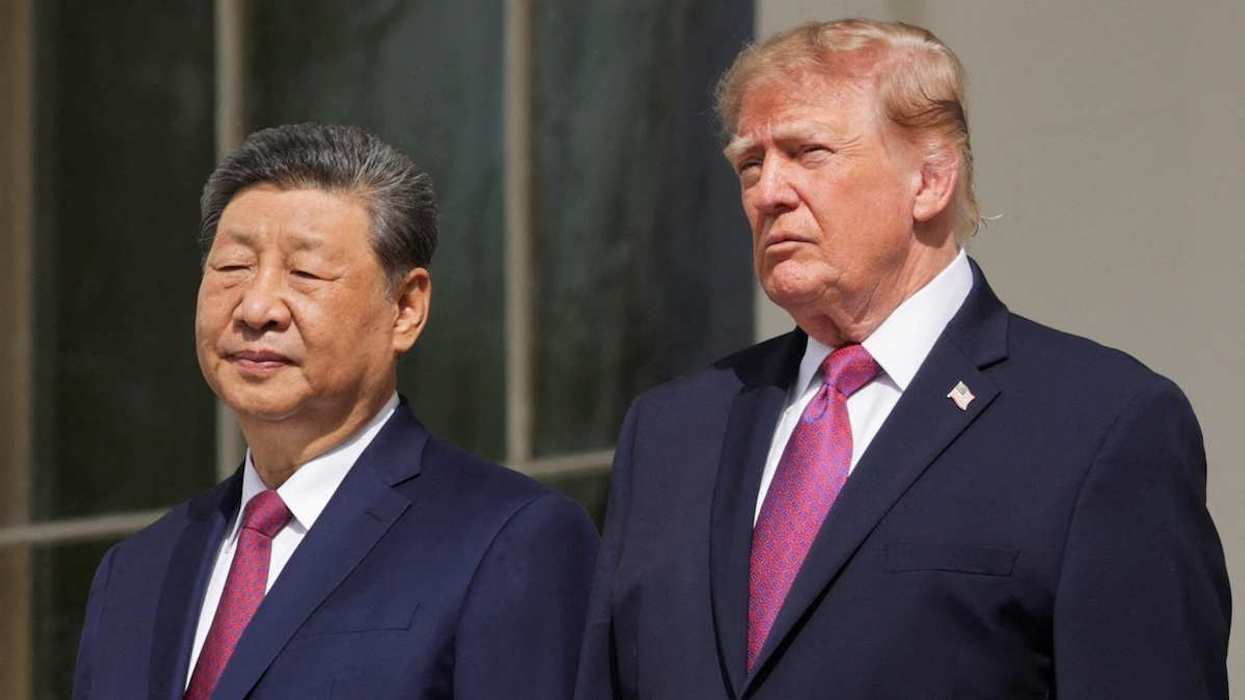
3. US-China Breakdown
The Argument: The report predicted that Trump’s return to office would unleash an “unmanaged decoupling in the world’s most important geopolitical relationship that risked a major economic disruption and a broader crisis.” Technology policy, Bremmer and Kupchan argued, would be the frontline in this conflict.
The Verdict: This was the least accurate prediction in the 2025 report. Not because the US and China didn’t begin 2025 with an alarming confrontation on trade, but because China’s willingness to flex its muscles with restrictions on the export of critical minerals — and Trump’s recognition that the resulting economic and security risk for the United States was real — led the two sides to better manage their growing tensions. Nothing has been resolved in the US-China rivalry, but in 2025, Beijing and Washington each decided that direct conflict was a bad idea.
4. Trumponomics
The Argument: The report warned that Trump’s policies would bring higher inflation and lower growth in 2025 as the president significantly hiked tariffs. It predicted a stronger dollar, which would make US exports less competitive. Bremmer and Kupchan also argued that Trump’s push to reduce illegal immigration and carry out mass deportations would shrink the US workforce, drive up wages and consumer prices, and curb the productive capacity of the economy.
The Verdict: The report was right that Trump’s tariffs, his pressure on the Federal Reserve, and other controversial economic choices would generate plenty of anxiety. But the dollar has fallen in 2025, and Bremmer and Kupchan overestimated the bad impact of Trump’s policies on a US economy that continues to benefit from surging investment in AI and other emerging technologies. An interesting question for the 2026 report: Is that respite about to expire?
5. Russia still Rogue
The Argument: The report warned that even if a ceasefire in Ukraine occurred, Russian President Vladimir Putin would order hostile actions against EU countries with cyber, sabotage, and other “asymmetric attacks,” and build on its strategic military partnership with Iran and North Korea in 2025.
The Verdict: This was another easy call. The predicted ceasefire never materialized in 2025, but Russia’s increasingly aggressive actions against NATO countries this year and its use of Iranian drones and North Korean soldiers made this risk prescient.
6. Iran on the Ropes
The Argument: The report argued that Iran’s weakness would keep the Middle East volatile in 2025, for one big reason: Iran's geopolitical position had been dealt a series of devastating blows in 2024 and hadn't been so weak in decades. Any Iranian move that raised alert levels in Israel, Bremmer and Kupchan insisted, would provoke swift American and Israeli strikes.
The Verdict: This prediction was dead on the money. While Iran’s government faced fewer challenges at home than the report suggested, the 12-day war in 2025 made this risk one of the most accurate in the report.
7. Beggar thy World
The Argument: The 2025 report forecast that the US and China would inject disruption into the global economy, short-circuiting the world’s recovery from pandemic-era distortions and other forces. Chinese factories, the authors noted, were churning out far more cars, solar panels, and electronics than the domestic market can absorb, leading China to try to dump them abroad. They also forecast that Trump would try to use tariffs to punish what he viewed as “unfair” practices, pouring fuel on an already combustible economic relationship.
The Verdict: As with Top Risk #3 (US-China breakdown), the economic distortions created by the US, China, and their rivalry proved less destructive than feared in 2025. Yet, the world still needed the consistently low oil price that Bremmer and Kupchan correctly predicted to avoid more damage to the economies of other countries and the political standing of their governments.
8. AI Unbound
The Argument: Bremmer and Kupchan cautioned that as AI’s power and capabilities grew in 2025, most governments would opt for light-touch regulation and downplay the need for international cooperation to manage risks. As a result, efforts to create guardrails against unintended consequences would not keep pace with technological advances.
The Verdict: This is the report’s toughest risk to evaluate, because so much AI development occurs out of view. But China’s ability to force the Trump administration to allow the export of chips and the Communist Party’s ability to manage any risk of AI disruption to its politics suggests this forecast may have been a bit early.
9. Ungoverned Spaces
The Argument: The G-Zero lack of international leadership, the report forecast, would create vacuums that allow for greater geopolitical conflict, disruption, instability, while emboldening rogue-state and non-state actors to create new risks in outer space, under the sea, and in international airspace. Intensifying problems like global hunger, poverty, violence, and refugee flows would receive fewer resources.
The Verdict: The Trump administration accelerated this risk in some areas while moderating it in others. On the one hand, Trump’s scale-back on contributions to international organizations that help cope with these problems and of direct US foreign aid have made matters worse. But the president’s readiness to use US leverage to halt fighting in multiple parts of the world minimized some of the fallout.
10. Mexican Standoff
The Argument: Bremmer and Kupchan forecast that Mexico’s President Claudia Sheinbaum and her Morena party would face formidable challenges in relations with the United States in 2025, amid ongoing constitutional overhauls and fiscal stresses at home.
The Verdict: 2025 proved to be a complex year for Sheinbaum’s new government, but the report underestimated her personal skill in managing relationships with President Trump. That said, it won’t get easier in 2026.
Have a look at the full report to judge for yourself, and we look forward to sharing the 2026 forecast on Monday, January 5.