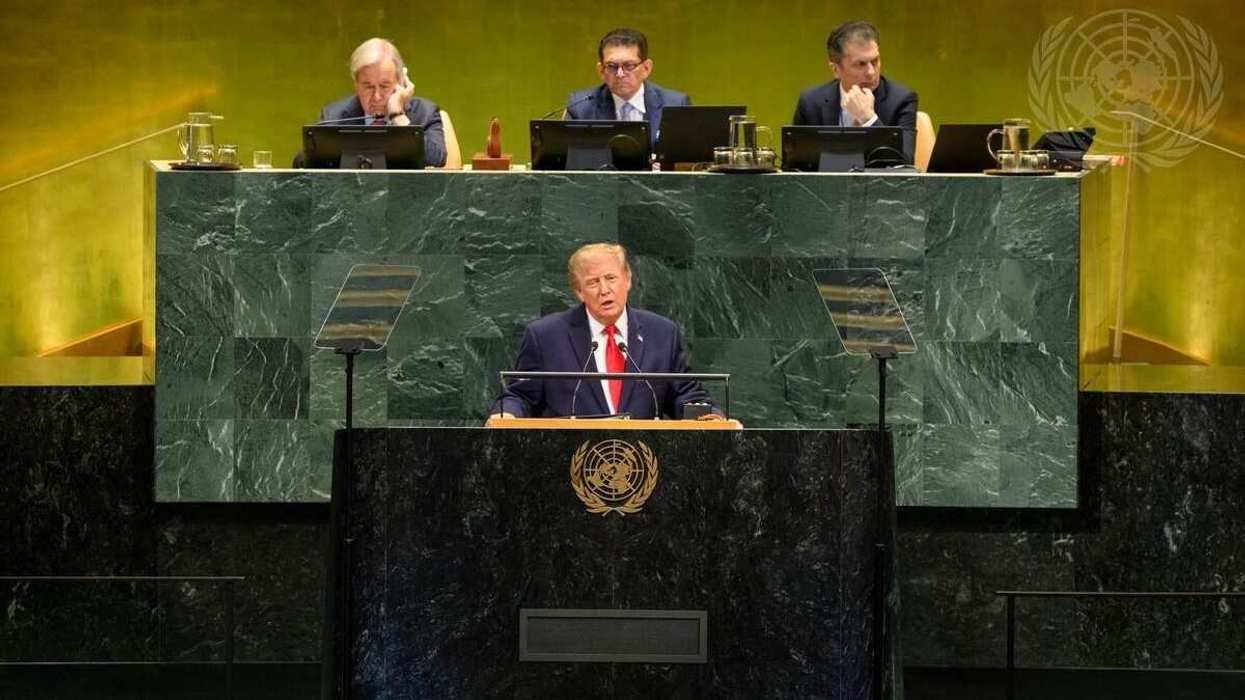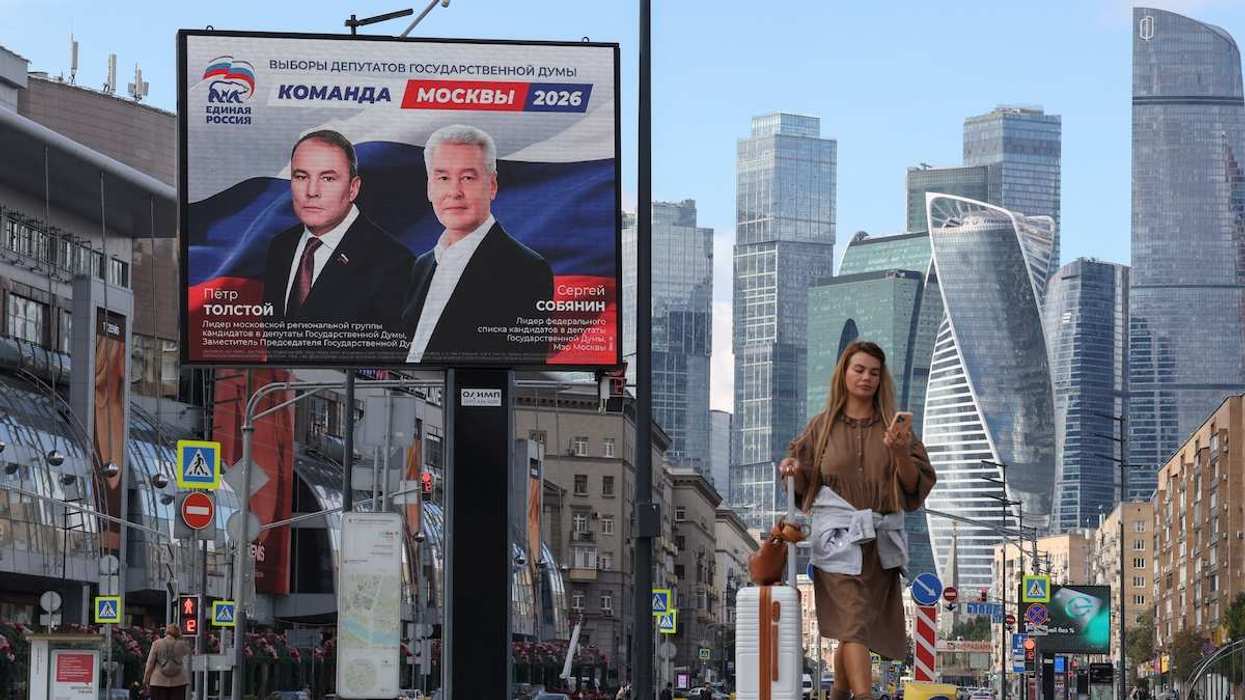
As GZERO readers will be all too aware, 2025 has been a hefty year for geopolitics. US President Donald Trump’s return to office has rocked global alliances, conflicts have raged from Khartoum to Kashmir, and new powers – both tangible and technological – have emerged.
To put a bow on the year, GZERO highlights the biggest geopolitics stories of 2025.
Trump’s trade war brings turbulence, but not dominance
Remember “Liberation Day”? That was when Trump unveiled sweeping tariffs on countries from Afghanistan to Zimbabwe, pushing the US’s average import tax rate to its highest levels since the 1930s.
The shock was real, but not ruinous. Tariffs threatened, but didn’t break the global economy. Diplomatic ties were tested, supply chains became battlegrounds, and a tit-for-tat trade war with China exposed just how reliant the world is on Beijing.
Trump threatened tariffs on Chinese products between 25% to 145%, shaking financial markets. China countered with strict export controls on critical rare-earth minerals and stopped purchases of soybeans cold turkey, rattling American farmers. An October truce eased tensions, but has not lessened China’s industrial chokehold.
Tariffs have not sparked the American manufacturing boom Trump promised. China, on the other hand, reported a 7% increase in manufacturing output in the first 10 months of this year, and a record $1 trillion global trade surplus, suggesting the pain landed unevenly, and mostly outside Beijing. Meanwhile, Trump’s authority to use tariffs awaits a Supreme Court decision expected early next month.
AI’s big breakout year
Just three years since most of us first heard about generative AI tools like ChatGPT, more than 1.2 billion people now use artificial intelligence regularly. It’s the fastest-growing technology in history, outpacing the adoption of smartphones and the Internet itself.
But that growth has been uneven, and heavily weighted toward the wealthiest countries. Among the poorest countries within the Global South, less than 10% of the population use AI. Further, it’s impossible to incorporate AI into your life or work when you’re one of the 2.6 billion people who don’t even have Internet access.
While AI could contribute as much as $15 trillion to global GDP by 2030, very few countries are positioned to benefit from it. This creates geopolitical risk, and a major story to watch in 2026 as nations vie for investment in infrastructure, data storage, and adequate training for their workers.
The world’s worst humanitarian crisis is just getting worse
For the third year in a row, the International Rescue Committee has named Sudan’s civil war as the world’s worst humanitarian crisis. The reasons are stark: the war has claimed the lives of an estimated 400,000 people and displaced eleven million, and there are repeated reports of genocide in Darfur.
The vicious conflict shows no signs of abating. In the spring, the Sudanese army appeared to be making progress, retaking the capital Khartoum from the Rapid Support Forces, the main rebel group. But momentum has shifted, with the RSF seizing control of el-Fasher earlier this month. Outside efforts to stop the war so far have been fruitless, as revenge, death, and anarchy reign supreme on the banks of the River Nile.
Israel shows its might
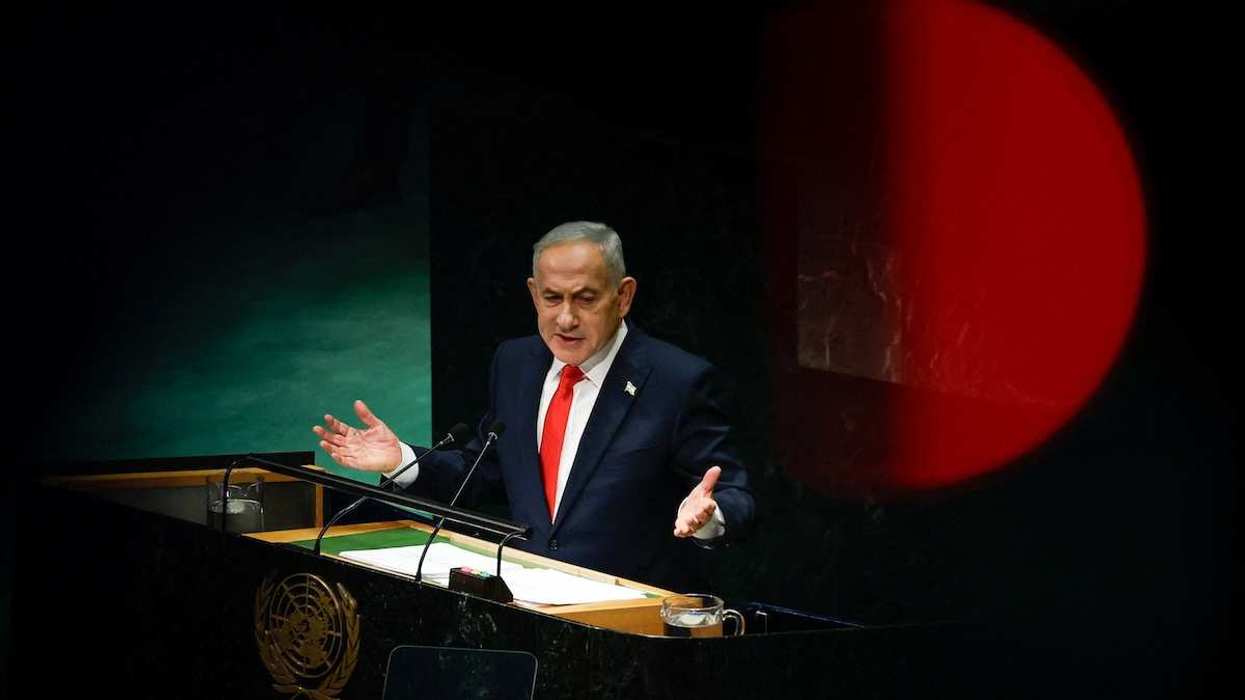
The Jewish state has been involved in two wars and three ceasefires this year, with huge ramifications for power dynamics in the Middle East.
The first ceasefire with Hamas, brokered in January, lasted all of two months. The second, announced in October, is tentatively holding. The terms of it, though, appear to favor the Israelis, forcing Hamas to disarm while a western-led group seeks to take interim control of the battered enclave.
Israel’s other war, which the US joined, was the 12-day conflict with Iran in June. It was in this battle that Israel demonstrated its military dominance in the region, clipping back the country considered to be its greatest competitor in the region. Several leading Iranian nuclear scientists were assassinated, Tehran was battered, and Supreme Leader Ayatollah Ali Khamenei was forced into hiding. With its proxy network (Hamas, Hezbollah, and the Assad regime in Syria) in tatters, Iran’s response was limited in its potency.
With this war, Israel’s military has become the most feared in the Middle East. The Middle East, experts believe, has been fundamentally reshaped.
Climate policy suffers one-two punch
When the world’s biggest philanthropist changes his mind about where to put his money, people pay attention. In October, Bill Gates, who has poured billions into the effort to tackle climate change, published an essay arguing that disease and poverty – other major focuses of his work – are pressing challenges which deserve more attention now.
His call for this “strategic pivot” came as the United Nations said the world had failed to meet the emissions targets of the Paris Agreement after 10 years of trying. With a strongly climate-skeptic administration back in power in the world’s largest economy, and the planet’s leading private-sector activist shifting his emphasis elsewhere, 2025 will be remembered as a significant turning point in the global debate about the tradeoffs and aims of climate policy.
Ukraine war persists, the transatlantic alliance unravels
Trump has made peace deals a hallmark of his first year back in office, brokering temporary ceasefires between Israel and Hamas, Thailand and Cambodia, and the Democratic Republic of Congo and Rwanda. Ending the war in Ukraine, however, has proved far more elusive.
The White House has alternated between echoing elements of Russia’s demands and acknowledging Ukraine’s non-negotiables. At their core, the two sides’ objectives remain fundamentally incompatible, with Russia demanding Ukraine give up the Donbas and never join NATO, while Ukraine is against territorial concessions or peace without security guarantees.
At the same time, Washington’s efforts to push Kyiv toward negotiations, in its haste to get a deal done regardless of the consequences, and pressure on Europe to take responsibility for its own security, may have ruptured the relationship between the US and the European Union.
Those concerns deepened after the release of the latest US National Security Strategy, which took a more adversarial tone toward the EU. For Europe, the implication is stark: the EU may need to prepare for a reality where America is no longer a reliable security partner, and longstanding assumptions about the transatlantic alliance no longer hold.
Venezuela and the return of the Monroe Doctrine
The Trump administration’s military buildup around Venezuela signals a renewed willingness to threaten regime change in America’s backyard. The country’s president, Nicolás Maduro, is a dictator, but past US-led interventions in the region have struggled to produce stable, democratic outcomes – most notably the CIA intervention in Chile in 1970, which created the conditions for Augusto Pinochet’s dictatorship. What’s striking is how Trump’s posture toward Venezuela fits into a broader shift in US foreign policy. As Washington steps back from Europe, it is placing renewed emphasis on the Western Hemisphere as a core strategic focus – an approach that echoes the Monroe Doctrine in practice, if not in name. From Venezuela to tariffs on Brazil over former President Jair Bolsonaro’s conviction, to threats to cut off aid if the right-wing candidate didn’t win Honduras’s recent election, the White House is once again acting to support ideological allies and undermine opponents, and intervene militarily when deemed necessary.
A growing power charts its next steps carefully
India’s global influence is burgeoning. It recently became the world’s most populous country, its economy is set to surpass Japan’s to become the fourth-largest in the world, and US firms – including tech giants like Apple – are increasingly turning to the South Asian behemoth for its business needs.
With this growth comes a larger role in geopolitical issues. Over the past three years, for example, India has started buying huge amounts of Russian oil, helping the Kremlin to maintain its finances during its war in Ukraine.
But with whom does India align? Officially, New Delhi has a policy of non-alignment. But in practice, there are signs of shifts. India was a historic ally of Russia, especially during the Soviet era. But its increasing business relationship with the United States has brought it a little closer to the West – this year’s tariff battle between Delhi and Washington notwithstanding. That realignment now appears to include heeding to months of US pressure to halt its purchases of Russian oil. As India’s influence continues to grow – and China contends with severe population decline – the world will be watching closely to see Delhi’s next moves.