With the year's end fast approaching, it's time to look ahead to the elections that could reshuffle global power dynamics in 2026. Here are a few you should keep an eye on.
Hungary’s parliamentary elections
After consolidating power and chipping away at democratic freedoms, Hungary’s Prime Minister Viktor Orbán faces his most credible challenger in over a decade. A new opposition force, the Tisza party, led by Péter Magyar, shocked the political establishment by winning nearly 30% of the vote in a European Parliament election last year. Polls show Tisza ahead of Orbán’s ruling party, Fidesz, with other opposition parties rallying behind it.
The issues: Voters are grappling with inflation, weak economic growth, and a series of corruption scandals that rocked the Fidesz government. But Orbán is fighting back, pushing through redrawing electoral boundaries that could tilt the playing field and exploring ways to remain in power despite the outcome.
The stakes: Hungary’s election will be a major test of whether democratic backsliding can be reversed at the ballot box. Budapest has also moved away from the EU and towards Russia under Orbán, acting as a spoiler vote on matters involving Ukraine. A new administration could turn over a new leaf with the EU, or more Fidesz rule could continue Hungary’s drift.
Bangladesh’s general election
Back in August of 2024, a student uprising ousted the government of Prime Minister Sheikh Hasina after 15 years of authoritarianism, kicking off a wave of so-called “Gen Z protests” across parts of Asia. The upheaval set Bangladesh on course for its first competitive election in more than a decade in February, alongside a vote on whether political reforms laid out post-revolution are enshrined in law.
The issues: Beyond the big questions of what should be included in the new constitution, voters are likely to be focused on everyday concerns. Jobs are scarce and corruption is deeply entrenched, with Bangladesh ranking 151st on the 2024 Corruption Perceptions Index.
The stakes: The vote will test whether Bangladesh can take its most pivotal step yet – turning the overthrow of an authoritarian government into a durable democratic transition.
US midterm elections
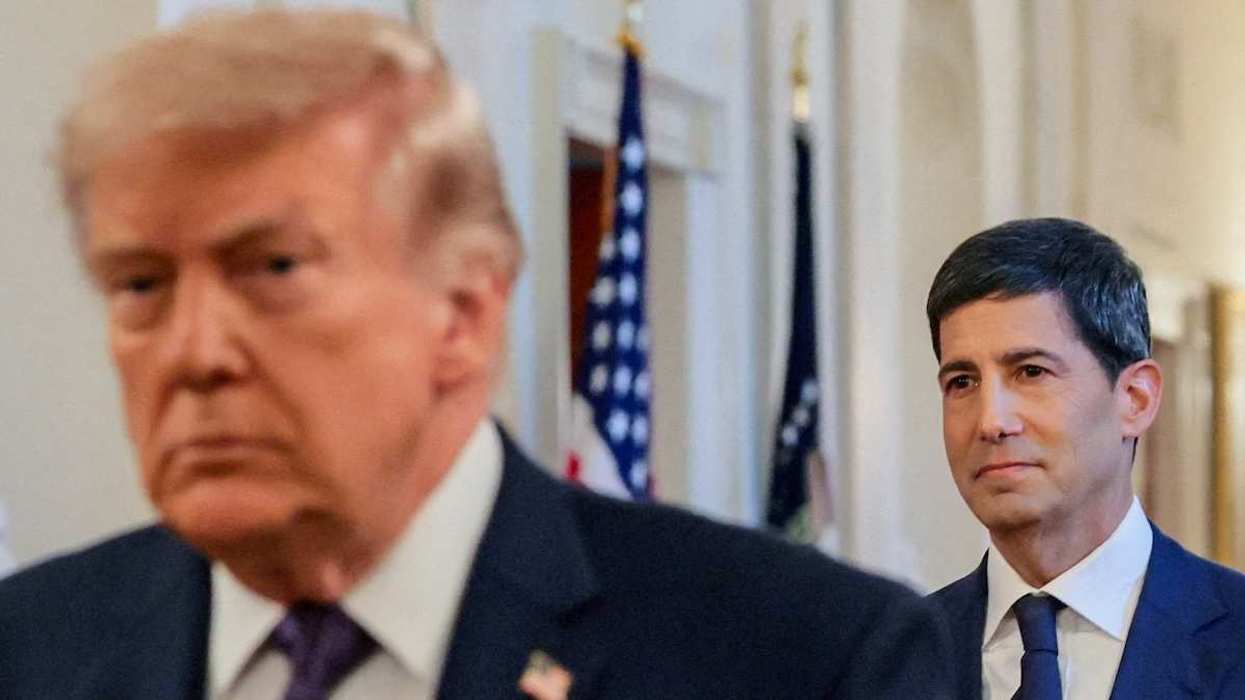
In the US, next November’s midterm elections will be a referendum on Republican leadership of Congress and President Donald Trump’s second term, which brought trade wars, multiple peace deals, attacks on Venezuela, and shifting alliances.
The issues: The cost of living is topping the list, with voters saying that rent and food prices are out of control. Americans’ anxiety over potential AI job displacement is also high. But polls show many voters fed up with both parties, with views of both Democrats and Republicans down the tube. Meanwhile, nearly 60% say the country is on the wrong track.
The stakes: The elections will mark the beginning of Trump’s lame-duck phase in office, and test whether Republicans can win without his name on the ballot. They’ll also show if the “blue wave” Democrats believe is on its way will materialize and help the party regain leverage on Capitol Hill.
Somalia’s presidential and parliamentary elections
Somalia is heading into a fraught electoral season. President Hassan Sheikh Mohamud has proposed a shift from the traditional, indirect voting system to a “one person, one vote” model, aiming to expand voter participation.
The issues: Electoral reforms are at the center of debate. But Somalia is also grappling with major security issues, as the notorious jihadist group Al-Shabaab and the Islamic State are on the rise, as well as dwindling international support.
The stakes: Previous attempts at reform have triggered violent clashes and prolonged political uncertainty, highlighting how quickly electoral disputes can destabilize the country. 2026 will test whether Somalia can hold credible and inclusive elections, or if it will cost them political stability and give terrorists a stronghold.
Israel’s legislative elections
Israel’s political clock is ticking. If the Knesset, the country’s legislature, fails to pass a new state budget by March, it will trigger elections set for June, months earlier than planned. The move could push voters to weigh decisions about the country’s direction while Israel still navigates a fragile truce in Gaza.
The issues: Questions over Gaza’s future, Palestinian statehood, and regional security concerns are top of mind. But domestic questions loom large as well: long-running fights over judicial reform, demands for accountability over the Oct. 7 intelligence failures, and the controversial military service exemptions for ultra-Orthodox Israelis.
The stakes: The vote will decide the fate of Prime Minister Benjamin Netanyahu, who is on trial for corruption and could face jail time if he is ousted. However, the opposition is fragmented, and Netanyahu scored big security wins for Israel in the wake of Oct.7 (from striking Iran’s nuclear program, to taking out the leaders of Iran's proxies) making it very possible he could once again defy expectations and cling to power.
Brazil’s general election
Brazil will elect a new government at the federal and state levels in 2026, with the presidency, congress, and governorships all up for grabs. Elections follow a tumultuous year in which former president and leader of the right-wing opposition Jair Bolsonaro was sentenced to prison for 27 years and barred from running.
The issues: A slowing economy, inflation, and endemic crime are front and center. Brazil is Latin America’s biggest economy, but there are signs it's cooling off. Meanwhile, the country’s homicide rate also is among the world’s highest.
The stakes: The election will determine whether Brazil becomes a target for the Trump administration. Early polls put President Luiz Inácio Lula da Silva ahead, but we still don't know who he’s up against. Trump has aligned himself with Bolsonaro, and even slapped sanctions on Brazil in response to his prosecution. Two candidates could take up Bolsonaro’s right-wing mantle: His son, Eduardo Bolsonaro, a senator from Rio, or São Paulo Governor Tarcísio de Freitas.