October 14, 2020
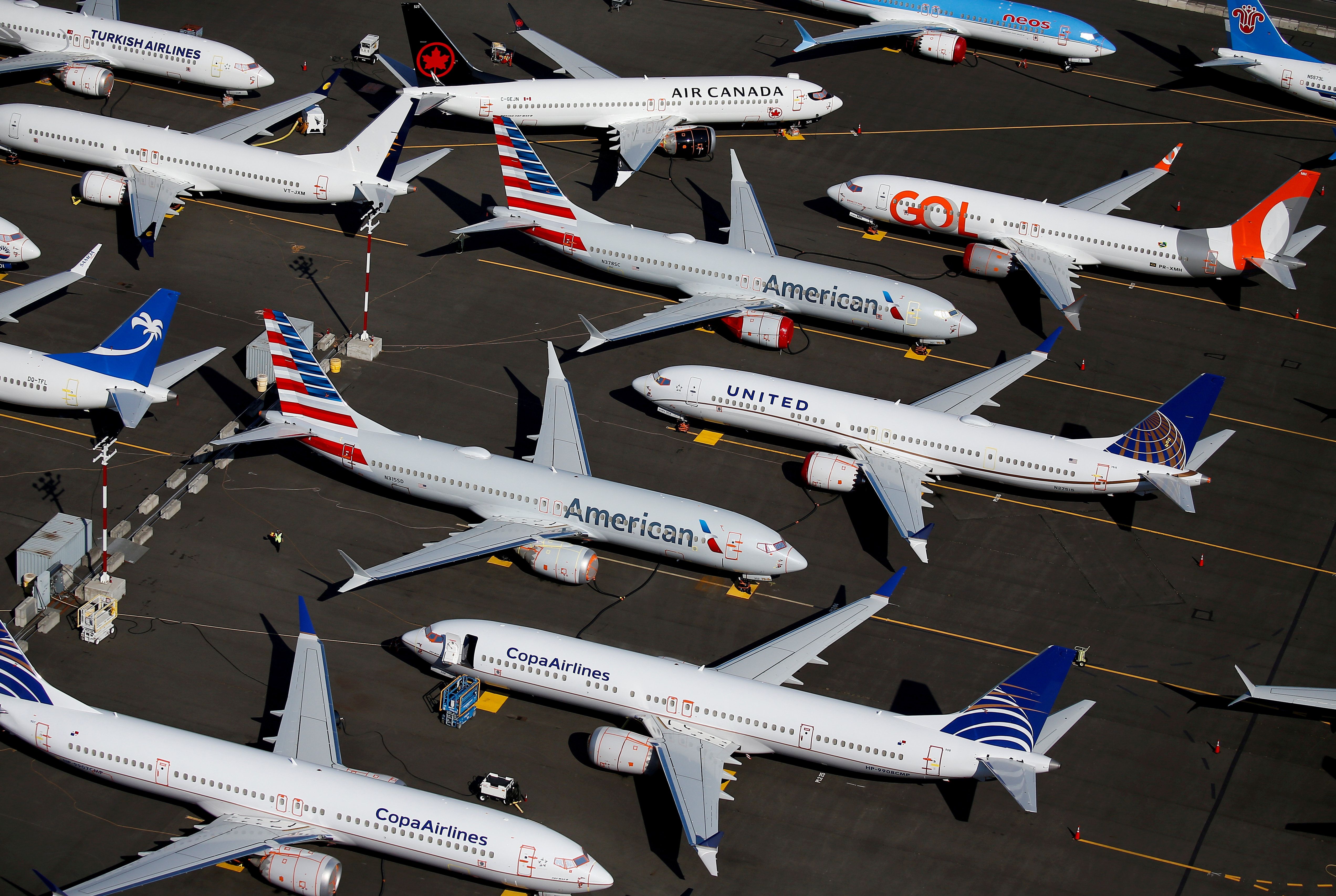
4 billion: The World Trade Organization will allow the European Union to slap tariffs on $4 billion worth of American products in response to long-running US subsidies for US aerospace giant Boeing. Washington previously taxed EU planes, cheese and wine over the EU's own subsidies for Airbus, Boeing's main competitor.
1,381: A French aid worker kidnapped by jihadis in Mali was released after 1,381 days in captivity. The news was welcomed by France, which has troops deployed in its former colony since 2012 to help the Malian army fight Islamic extremists.
90: Tajik strongman President Emomali Rahmon will serve another seven years after being reelected with a (surprise!) 90 percent of the vote. Rahmon — who took over almost thirty years ago during Tajikistan's civil war — is the only leader of the former Soviet republics in Central Asia to remain in power since the early 1990s.
6: The G-20 group of the world's largest economies has extended a moratorium on debt repayments by another six months to help developing countries spend on health care and economic stimulus plans to address the coronavirus pandemic. Debtor countries now have until June 2021 to meet their outstanding financial obligations to G-20 members.More For You
- YouTube
The war in Iran is entering a more dangerous phase.
Most Popular
Walmart sponsored posts
Walmart’s $1 billion investment is strengthening associate careers
Sponsored posts
How a global coalition disrupted Tycoon 2FA
- YouTube
The Regime's viral banger "Special Military Operation" is NOW STREAMING on most platforms, including those TWO BIG ONES. #PUPPETREGIME
- YouTube
In this Quick Take, Ian Bremmer breaks down the escalating US-Israel war with Iran and its ripple effects on global markets and supply chains.
As missiles fly and oil prices soar, the Iran war is exposing another major resource vulnerability in the Middle East: water. Fresh water has been a scarce commodity in a region defined by a dry climate and low rainfall, but attacks on the region’s desalination plants, which convert seawater into drinking water, threaten to open a new front.
© 2025 GZERO Media. All Rights Reserved | A Eurasia Group media company.