Crisis Recovery
Ian Bremmer: The West is united on Russian energy, the rest of the world is not
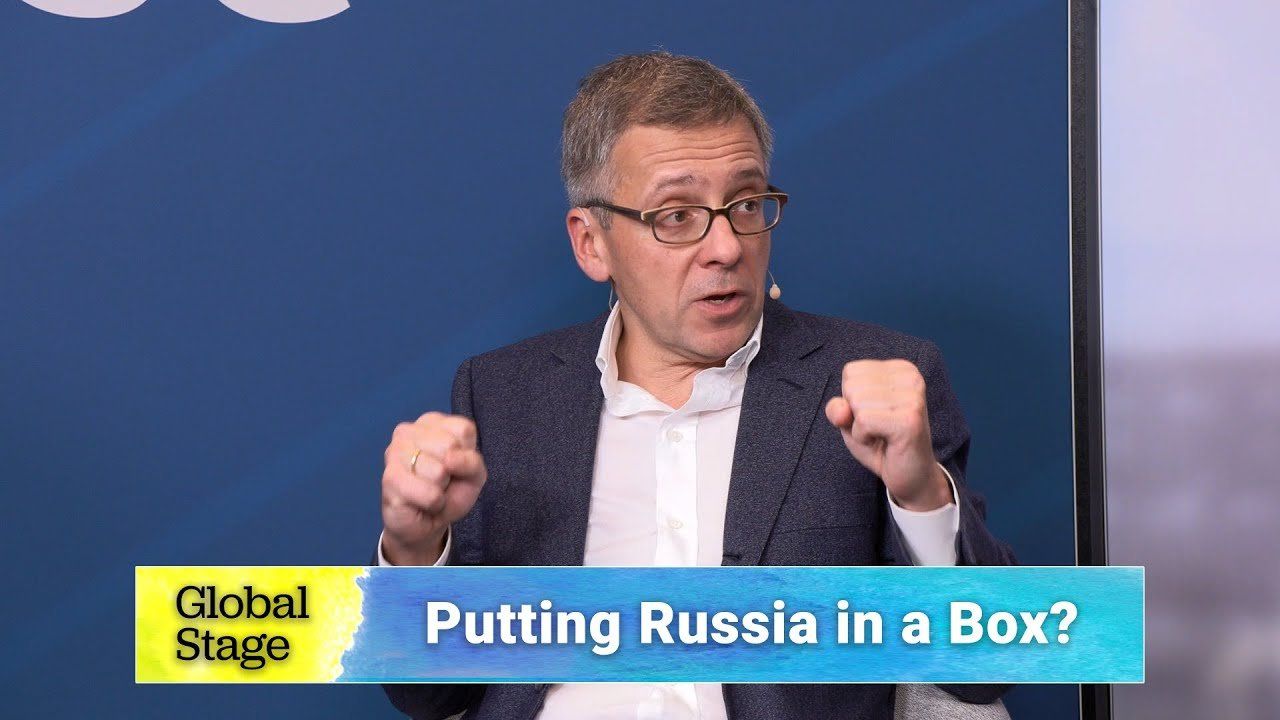
Ian Bremmer: The West is united on Russian energy, the rest of the world is not | GZERO Media
With talk at this year’s Munich Security Conference from most of the world’s most powerful countries about decoupling from Russian energy, it can be easy to forget that most of the world’s population has other priorities.
“What we're seeing is that a majority of the world's economic strength and certainly military strength really wants to put Russia back in a box, but a majority of the world's population does not. And that is because of what's happened with the pandemic. It's what happened with climate change”, said Eurasia Group President Ian Bremmer during a Global Stage livestream conversation hosted by GZERO in partnership with Microsoft.
Europe, he explains, can better afford to move away from Russian sources of energy than developing countries, who are increasingly feeling distant and fragmented from the West, and richer countries shouldn’t forget that.
Watch the full Global Stage Livestream conversation here: Is there a path ahead for peace in Ukraine?
China has defied Western sanctions for years and buys as much as 90% of Iran’s oil exports.
Think you know what's going on around the world? Here's your chance to prove it.
President Bola Tinubu faces strong headwinds in his bid for a second term.
Critics have said that Zelensky – now in his seventh year in office – has been in power for too long.