GZERO World with Ian Bremmer
Why the pandemic has been worse for women: UN Women's Phumzile Mlambo-Ngcuka
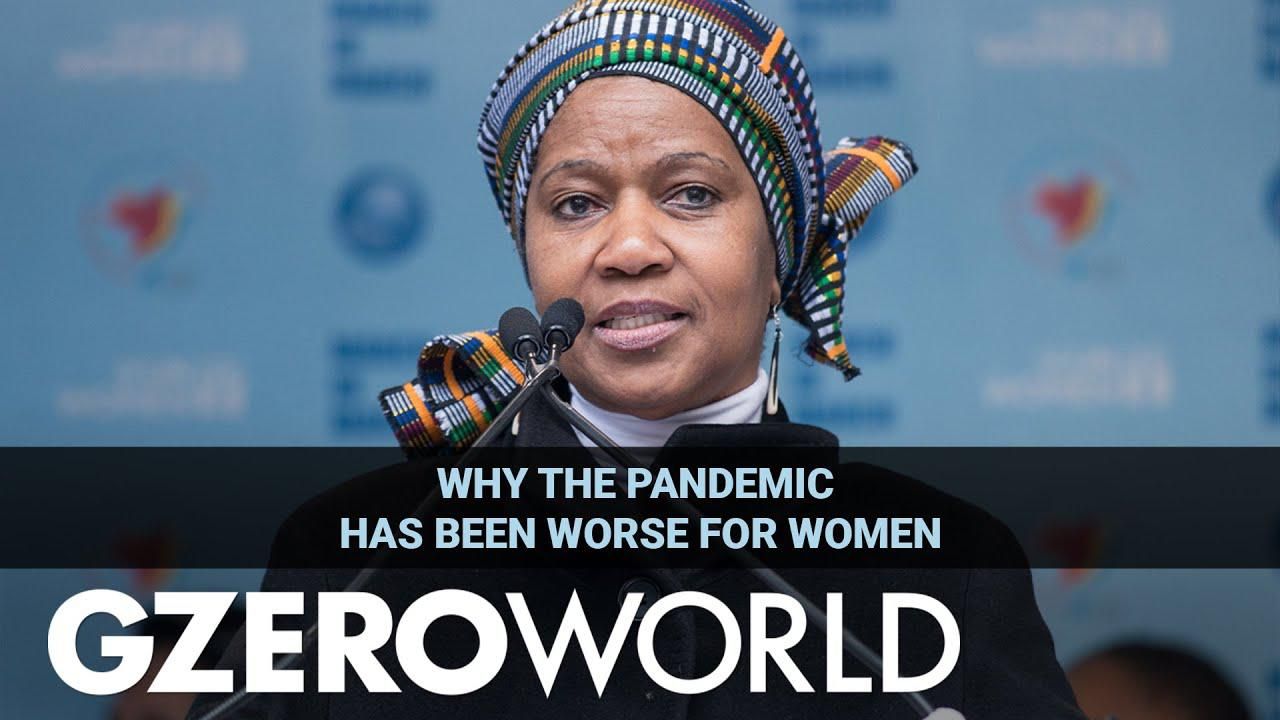
Why the Pandemic Has Been Worse for Women | UN Women's Phumzile Mlambo-Ngcuka | GZERO World
The global fight for gender equality wasn't a resounding success before the pandemic hit, but progress was being made. In many corners of the world, however, COVID-19 turned back that clock significantly. Violence against women—especially in the home—has been skyrocketing over the past year, says Phumzile Mlambo-Ngcuka, Executive Director of UN Women and the UN's top advocate for gender equality. And the toll on girls has been just as severe, says Mlambo-Ngcuka, with the UN estimating that as many as 11 million girls who left school during the pandemic will never return. At the same time, it has been women who have shepherded the world through the worst pandemic, as they occupy the majority of frontline healthcare jobs. Mlambo-Ngcuka joins Ian Bremmer on GZERO World.
New polling from Pew Research Center across 37 countries shows that the share of the public who believe social media is a “bad thing” for democracy has increased significantly since 2022.
Since returning to power in 2025, the Trump administration has drastically changed the answer to this question, pursuing an ‘America First’ philosophy that is dramatically more transactional: the US will give you money, but you must give the US something valuable in return.
Indonesia’s worst wildfires in a decade are quickly becoming a domestic and international headache for President Prabowo Subianto.
In March the government doubled the maximum prison term for same-sex relations to 10 years.