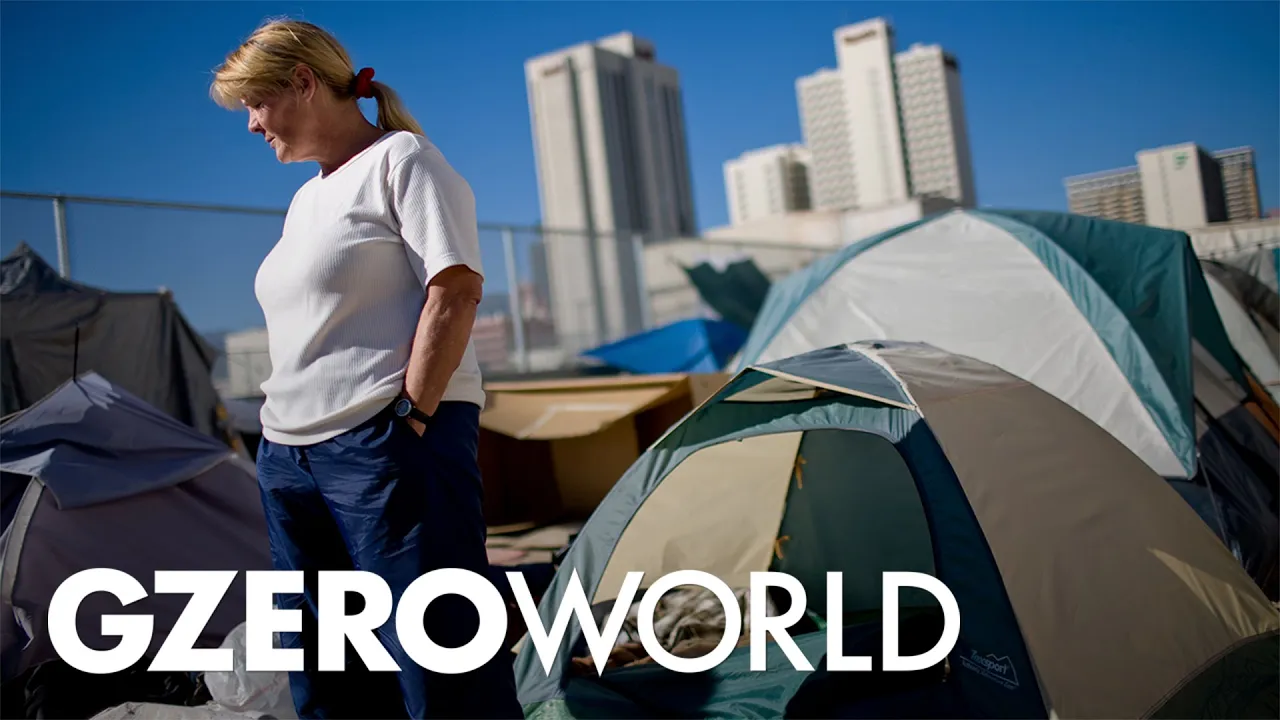
In the latest episode of GZERO World with Ian Bremmer, we're examining enormous income and quality of life disparities in some of the most liberal, Democratic spots on the U.S. map—major cities. Urbanist and author Richard Florida explains the reasons why large urban areas contain such extremes—the richest and the poorest people often dwelling within blocks of one another. Ian first breaks down the historic trends that at one point pushed the "haves" to the suburbs and the "have nots" into inner city neighborhoods, and how that has reversed over time. Later in the program, GZERO visits the South Bronx, per capita the poorest congressional district in America, and checks in with a nonprofit group making a difference there for people in need. Room to Grow serves families with children ages 0-3, providing them resources and counseling to increase their chances of success. Finally, in Puppet Regime, North Korean leader Kim Jong Un has some of his own ideas about urban development.
Hosted by Ian Bremmer, GZERO World is an award-winning, nationally syndicated PBS television program featuring the most influential leaders and thinkers in the world.
Presented by
More From GZERO World with Ian Bremmer

The high stakes of the global AI race

Europe under threat from Russia

Could US & Israeli elections reshape the Middle East?

Midterms 2026: Is a blue wave coming?

How October 7 changed the Middle East, three years on

The high-stakes US-China race

UN Chief António Guterres on global power, AI, and a world in crisis

How AI could make the next global catastrophe easier
About the Show
Every week on GZERO World with Ian Bremmer, Ian explains the key global stories of the moment, sits down for an in-depth conversation with the newsmakers and thought leaders shaping our world.
Watch GZERO World on US public television and on GZERO's YouTube channel. GZERO WORLD with Ian Bremmer is a local public television program presented by THIRTEEN PBS.
Funding for GZERO World is provided by:
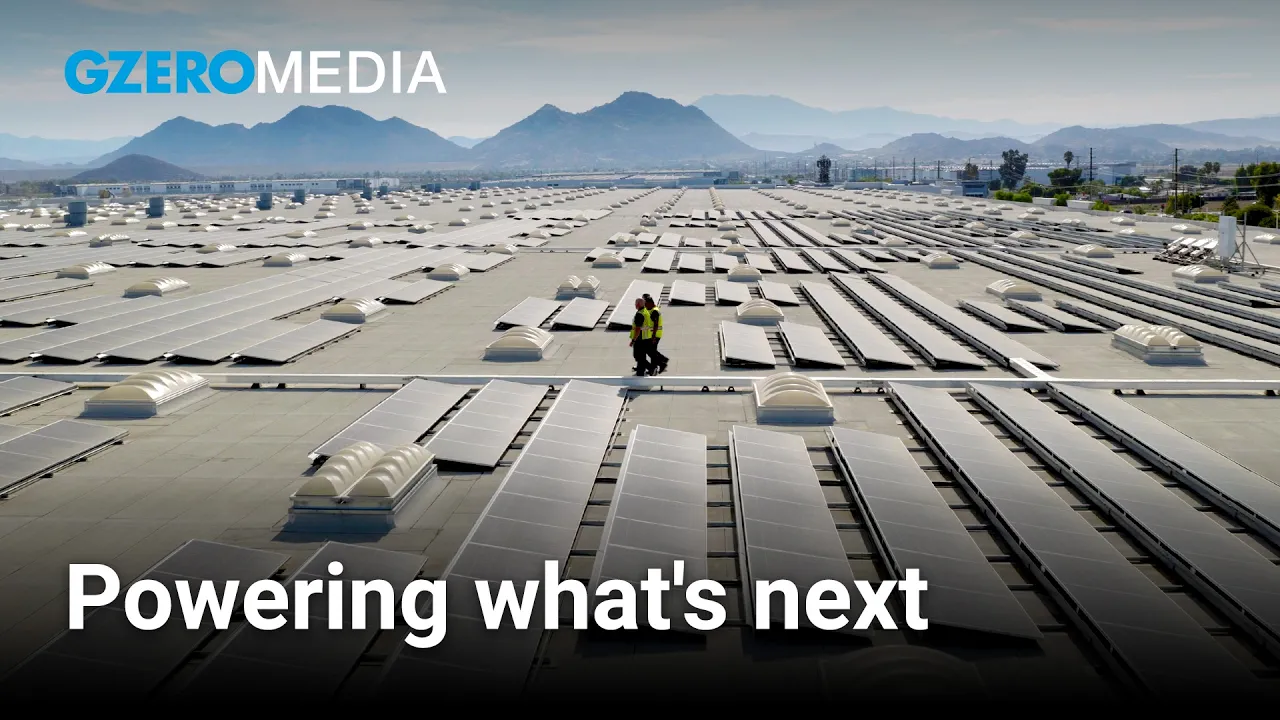
Powering what's next
Energy used to be a predictable cost. Now it's a constraint on growth, and businesses are rethinking how they plan and build. GZERO Media's Tony Maciulis sat down with Susan Uthayakumar, Chief Energy and Sustainability Officer at Prologis, to discuss how rising power demand from automation, AI and fleet electrification is changing where and how companies build. Together, they examine the role real estate plays in energy infrastructure, what effective public-private partnerships look like, and how on-site power generation can support communities in crisis.