Skip to content
Search

Latest Stories

News

Amazon nations can't agree on deforestation goal

Ecuador's Foreign Minister Gustavo Manrique, Guyana's Prime Minister Mark Phillips, Colombia's President Gustavo Petro, Brazil's President Luiz Inacio Lula da Silva, Bolivia's President Luis Arce, Peru's President Dina Boluarte, Venezuela's Vice President Delcy Rodriguez and Suriname's Foreign Minister Albert Ramdin at ACTO

Ecuador's Foreign Minister Gustavo Manrique, Guyana's Prime Minister Mark Phillips, Colombia's President Gustavo Petro, Brazil's President Luiz Inacio Lula da Silva, Bolivia's President Luis Arce, Peru's President Dina Boluarte, Venezuela's Vice President Delcy Rodriguez and Suriname's Foreign Minister Albert Ramdin at ACTO

REUTERS
Make us preferred on Google

Leaders of eight Amazon nations converged in Brazil this week for the first time in 14 years to devise a plan to save the Amazon rainforest, but they appeared to fall short of finding common ground on how to end deforestation.


A joint statement released after the summit implied that countries would set out their own conservation goals rather than adhere to a shared regional policy. There was also no consensus on how to end illegal gold mining in the Amazon.

Ahead of the summit, Brazil's President Luiz Inácio “Lula” da Silva proposed an agreement to end deforestation by 2030.

But a key striking point has been oil exploration. Colombia’s leftist President Gustavo Petro has called for a complete end to oil exploration in the Amazon, which has been a point of contention in Brazil as the country’s state-run Petrobras company has been trying to get a license for an oil drilling project near the Amazon River.

Indeed, ending deforestation comes at a significant cost for Amazon countries, which will have to forgo profits from ranching, agriculture, and new oil and mining projects. Lula says he hopes some of these costs can be offset by international contributions and carbon credits. Norway and Germany are already funding Amazon preservation, and the Amazon nations believe they could convince other countries to contribute if they show a united front -- an effort that appears to have fallen short.

In addition to international contributions, Amazon nations hope to take advantage of the growing carbon market, where an organization that pollutes can buy a credit worth one ton of carbon dioxide, which then goes toward carbon-lowering efforts in Amazonian communities. The World Bank currently estimates that the carbon credit market in the rainforest is worth $210 billion a year.
More For You

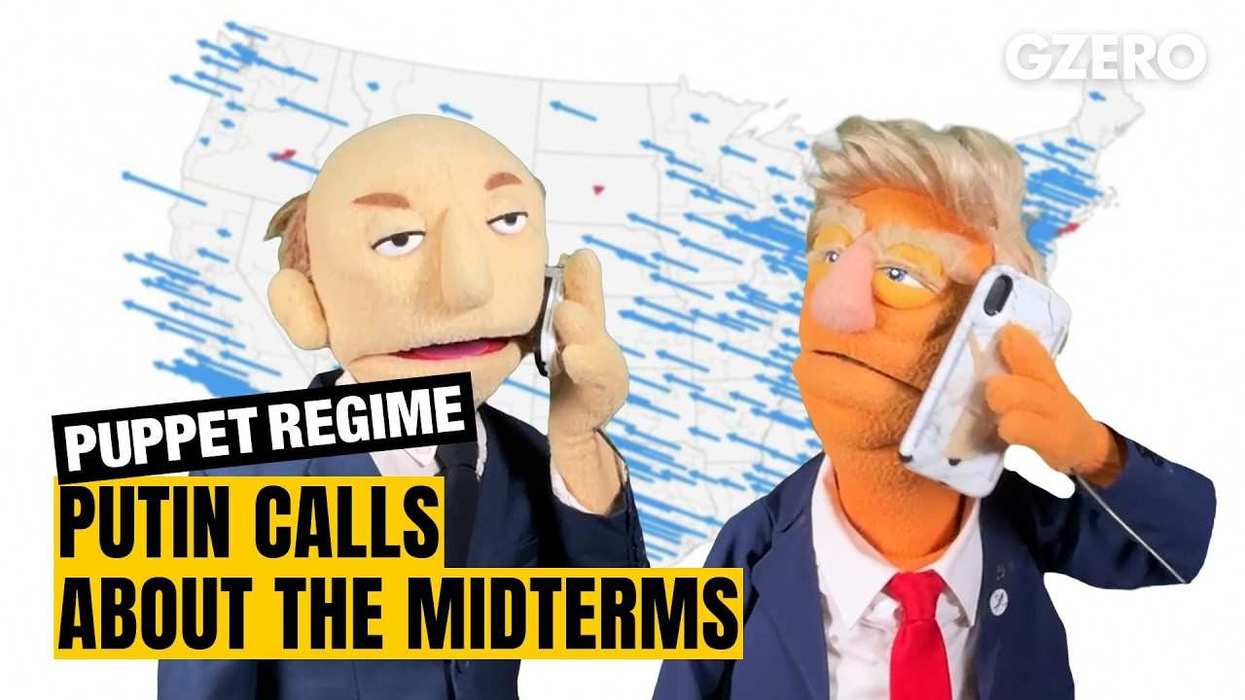
Putin calls about the midterms
- YouTube
Look on the bright side.Watch more PUPPET REGIME! [...]
Political campaigning goes vertical
Political campaigns are turning 90 degrees. As voters spend more time scrolling through social media on their phones, politicians are following them. Long reliant on horizontal TV ads, candidates are increasingly embracing short, vertical videos to grab voters' attention and get their message out. [...]
Mississippi blue(s)
Will Fitzpatrick
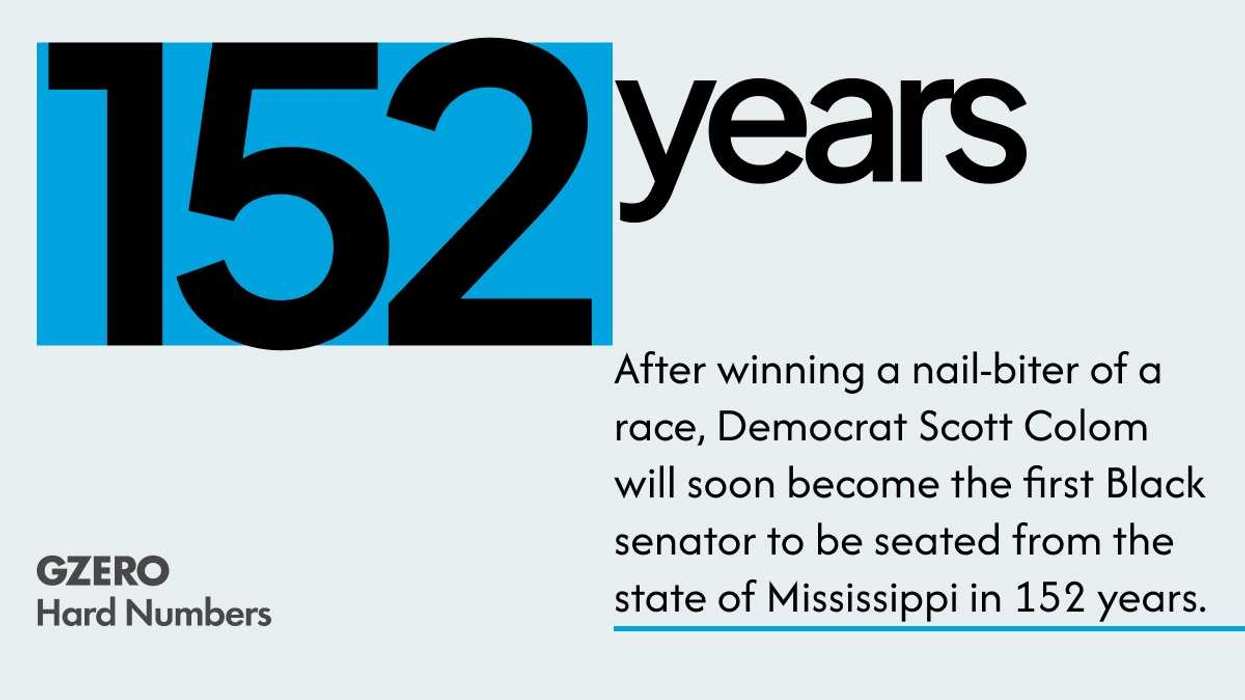
The last time the Deep South state started a Black senator was in 1875, during “Reconstruction,” a roughly twenty-year period when the US federal government sought to support the integration and equality of Southern Black people after the Civil War. Mississippi actually sent two Black men to the Senate during that time: Hiram Revels and Blanche [...]
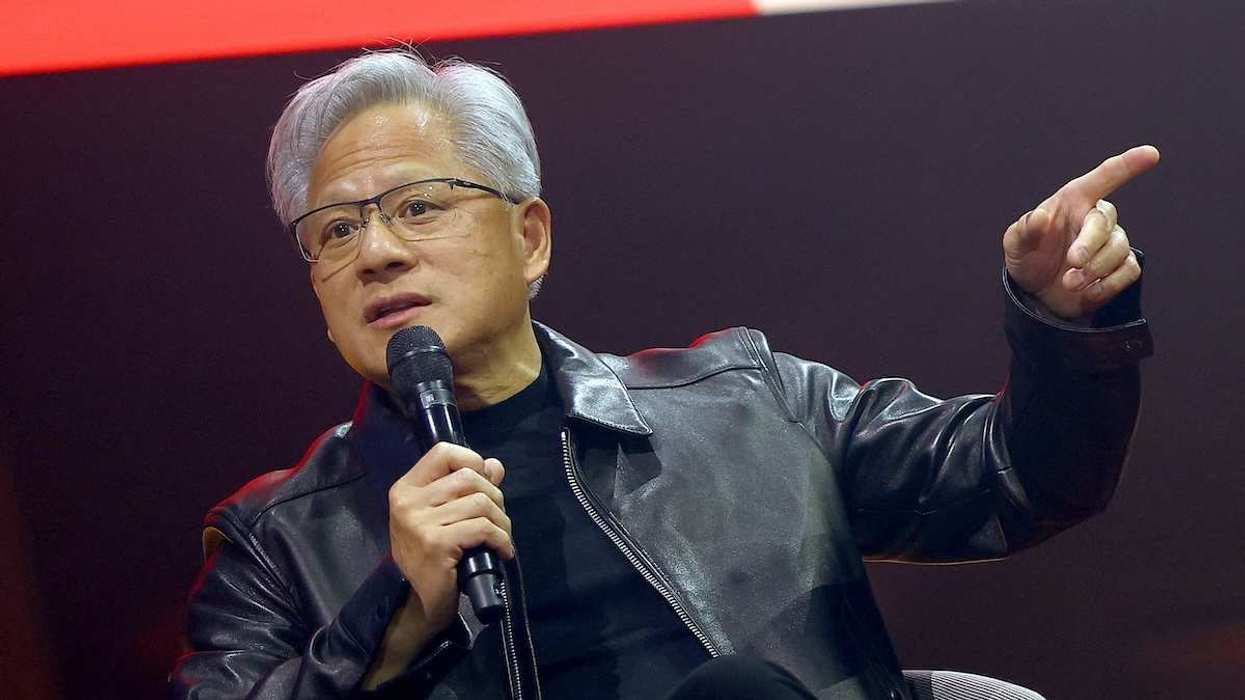
U.S. semiconductor giant Nvidia Corp. CEO Jensen Huang delivers a speech at an event on artificial intelligence in Tokyo on Nov. 13, 2024.

U.S. semiconductor giant Nvidia Corp. CEO Jensen Huang delivers a speech at an event on artificial intelligence in Tokyo on Nov. 13, 2024.

Kyodo via Reuters Connect
Jensen Huang resigns as CEO of NvidiaThe co-founder of the chipmaking colossus resigned on Thursday, just days after admitting to an affair with a suspected Chinese spy. Huang’s exit sends shockwaves through the tech industry and the wider geopolitics attached to it. He was, personally, the force that made Nvidia a dominant player in AI, both as [...]