GZERO Europe
Does Europe face a resurging terrorist threat after the Moscow attack?
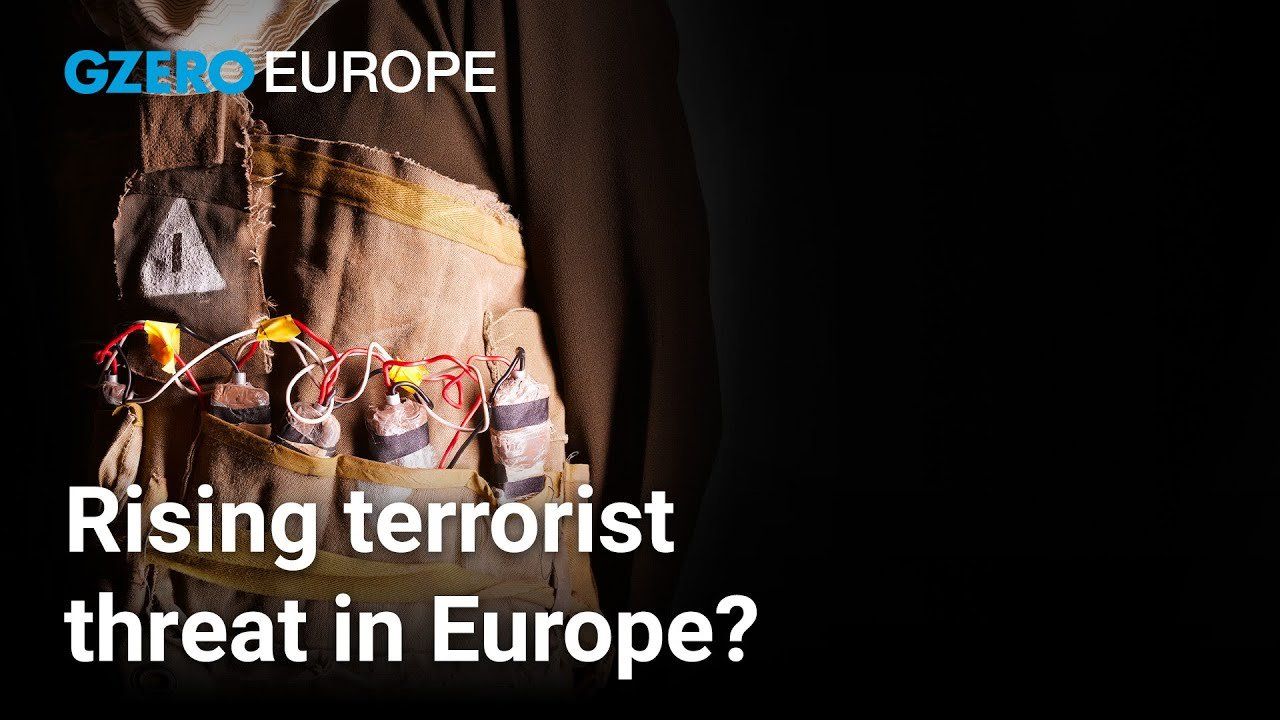
Is Moscow terror attack a sign of what to come in Europe? | Europe In :60
Carl Bildt, former prime minister of Sweden, shares his perspective on European politics from Stockholm.
Is the terrorist threat to Europe back after what happened in Moscow?Well, the bad news is, yes, it's there. There's no question about it. It's still coming out. Central Asia, Afghanistan. We have a very disturbing situation in part of Africa with ISIS gaining ground in different ways, so not directly threatening Europe so far. And we should not forget that we have a situation in the Middle East with Gaza and all of the emotions that that is leading to, that is bound to be a recruitment possibility for these particular groups. The good news, if there is any, is of course that evidently the Americans were able to pick up advance warning of this particular terrorist attack. And that shows that we have intelligence capabilities combined with different countries that could give us somewhat more security than perhaps we had in the past. The bad news in this particular situation is, of course, the Russian authorities didn't listen and very many innocent Russians had to pay a very heavy price for that.
We have to learn all of these particular lessons as we move ahead.
Think you know what's going on around the world? Here's your chance to prove it.
Critics have said that Zelensky – now in his seventh year in office – has been in power for too long.
Washington and Ottawa are down to the wire with last-minute talks to reach an agreement by 12:01 a.m. Wednesday, when President Donald Trump has threatened to impose 50% tariffs on over $20 billion of Canadian goods.
On Monday, public health officials said the virus had killed 2,325 people.